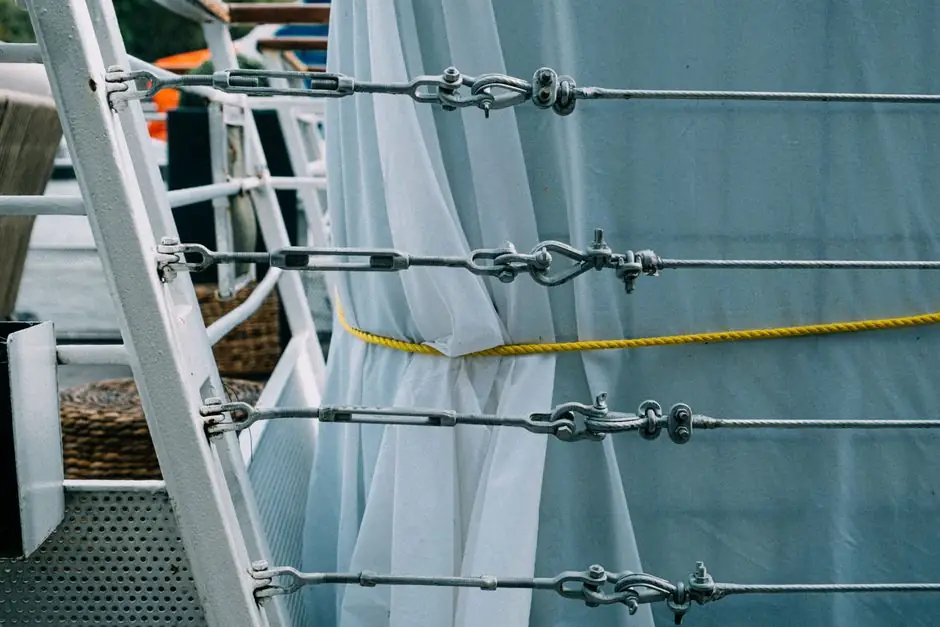
Aramid rope can replace steel strand in many guy-line duties, but only when the design controls heat, abrasion, ultraviolet exposure and termination strength.
The decision is not a simple material swap: steel wire rope remains better suited to hot, abrasive and long-duration service, while aramid offers lower mass and safer failure behavior in many moderate-temperature applications.
Where Aramid Guy Lines Are Technically Suited
Aramid rope is a synthetic fiber rope, and the broader synthetic-rope family includes UHMWPE, nylon, polyester, polypropylene and aramid, with Kevlar being a recognized aramid type [S2]. Its useful properties in a guy line are low weight, flexibility and the ability to be handled without exposing workers to loose steel wires [S2][S3].
Aramid is appropriate where the line is exposed to normal temperatures, does not drag continuously over sharp rock, rust or abrasive edges, and can be protected from ultraviolet radiation. Synthetic rope performs like steel at normal temperatures for operations such as moving logs, but it cannot tolerate the same extreme heat exposure [S2].
For guy lines, the cable performs a structural function rather than a winching function: it resists tension, changes length under load and remains stable over a specified service period. Consequently, nominal breaking strength is only one selection criterion. Diameter, minimum breaking force, elongation, creep, environmental exposure, end fitting design and inspection interval must be matched to the actual anchor system.
The steel strand reference material remains the relevant baseline for conventional guy lines because it discusses steel wire rope and synthetic winch line [S2].
Aramid Versus Steel Across Four Decision Criteria
Steel wire rope normally wins for heat resistance and continuous abrasion resistance, while synthetic rope wins for low mass, flexibility and reduced recoil after failure [S2][S4]. Synthetic line is easier to splice and can generally replace steel winch cable when the drum, brake, fairlead and termination arrangement are suitable [S1][S3].
On strength-to-weight, the comparison is favorable to synthetic rope because a smaller, lighter line can provide high strength. A documented example is a Vulcan off-road recovery rope rated at 28,600 pounds breaking strength and weighing a fraction of comparable steel cable [S4]. This is not an aramid rating, and it should not be transferred to an aramid selection without product-specific data.
On service life, steel handles daily contact with pavement, rock and rusted frame rails more effectively than synthetic rope [S4]. On failure behavior, synthetic rope stores less kinetic energy and tends to drop rather than whip back, whereas a snapped steel cable can form a dangerous recoil [S4]. Aramid specifically should not be selected for extreme heat because synthetic fibers are heat-limited, while steel remains the appropriate material for high-temperature exposure [S2].
These criteria point to a clear split: use aramid for compact, low-temperature guy systems with controlled exposure and inspectable terminations; retain steel strand where heat, crushing, sharp-edge abrasion, fire exposure or severe UV degradation dominates.
Guy-Line Installation and Termination Controls
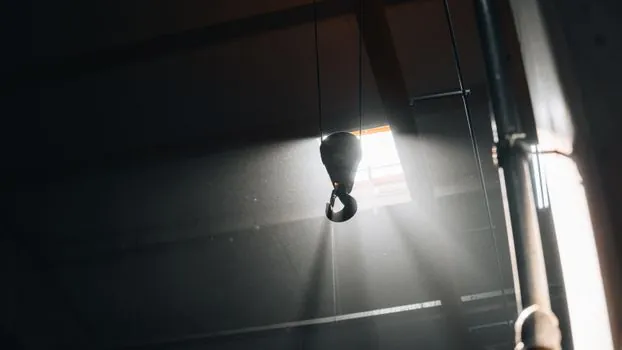
A synthetic guy line must be compatible with every component that controls or reacts to load. Older winches with non-steel drums may not accept synthetic line because of drum strength or brake heat, and a roller fairlead can create friction, heat or glaze that damages the rope [S3].
The Oregon State University rigging guide addresses synthetic ropes as alternatives to steel wire ropes in logging applications and covers end connectors, adjustable line lengths, guylines, intermediate supports, winch connections, handling, damage evaluation and splicing [S1]. A new length of synthetic winch line can also be long-spliced to replace a damaged section, subject to the manufacturer’s splicing procedure [S1].
For guy lines, the termination should be designed for the material rather than copied from a steel assembly. A safety thimble is recommended where the rope forms a terminable loop, and fairlead rollers should be smooth rather than rough or damaged [S3].
Hardware selection also affects whether the substitution is workable. The distinction between preformed guy grips and wire-rope clips matters because a grip approved for stranded steel wire does not automatically qualify for a braided or twisted aramid rope. Anchorage hardware, thimbles, wedges, sockets and clamps need supplier approval for the rope construction, diameter and load.
Inspection, Aging and Failure Modes
Aramid guy lines require a formal retirement trigger because their external condition can change without producing the loose-wire warning visible on steel. Inspect the full working length for fuzzing, contamination, glazing, cuts, abrasion flats and distortion around terminations, and record the installation date so service history remains traceable. [S1]
Heat damage is one of the clearest failure indicators for synthetic rope. Synthetic line lacks steel’s tolerance for extreme heat, and a hot fairlead can damage a rope that appears normal externally [S2][S5]. The rope should not be run over a hawse or roller if contact can generate sufficient heat to glaze the fibers, and the line should be isolated from hot machinery, exhaust and welding operations.
Ultraviolet exposure and abrasion also require different controls from those used for steel. Steel is barely affected by UV light, while aramid remains vulnerable to sunlight degradation and repeated friction against sharp or rough surfaces [S2][S5]. Storage covers reduce exposure, but a stored spare should not be treated as a substitute for condition-based retirement of the installed line.
Do not reuse a damaged synthetic line merely because it still carries load. A community recovery specification quoted in the 2026 discussion recommends replacing synthetic winch rope every 2–3 years and keeping it covered to extend service life, while another participant stated that a manufacturer representative advised annual replacement [S5]. These are user-reported maintenance positions rather than a universal service-life rule; the responsible limit is the rope manufacturer’s instruction, accounting for exposure and condition.
Who Should Specify Aramid and Who Should Stay With Steel
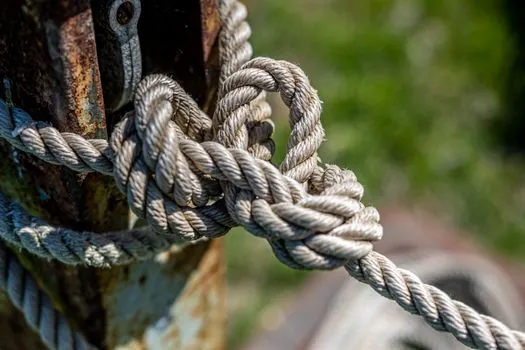
Aramid guy lines fit engineers and operators seeking lower cable mass, easier handling, reduced recoil hazard and field splicing in moderate-temperature systems. They are also practical where steel strands would be repeatedly handled during installation and where a rope can be shielded from rocks, hot surfaces and ultraviolet exposure. [S5]
Aramid is not the preferred choice for workers expecting steel-like resistance to fire, extreme heat, crushing, sharp-edge abrasion or dirty service. Steel is also easier to specify where long inspection intervals are needed, where the line will repeatedly contact pavement or rock, or where chemical and heat conditions are poorly documented. Heat-resistant wire can lose strength if it is exposed to elevated temperatures, so the selected steel grade must also match the thermal environment.
Utility and communication guy lines require a different decision framework from logging or recovery ropes. The rope may remain lightly loaded for months, then experience wind, ice, pretension adjustment and emergency overload. That duty profile makes long-term creep, UV resistance, attachment security and inspection access more important than a short-term handling comparison [S1][S2].
Specification and Procurement Requirements
Do not specify “aramid guy rope” by fiber family alone. The procurement package should identify the manufacturer, product construction, diameter, minimum breaking force or working load, elongation, density, operating-temperature range, UV exposure limit, abrasion warning, splice procedure, end-fitting system and retirement criteria [S1][S2].
The project specification should also define whether the line is a permanent guy line, adjustable guy, tail restraint, intermediate support or temporary winch extension. The Oregon guide treats these as distinct applications with different connector and support requirements, so one rope specification cannot be transferred across all five arrangements [S1].
Acceptance inspection should include documentation of the as-spliced length, termination hardware, installation date and initial markings. Every termination should be traceable to an approved fitting or splice, and the crew should be trained to distinguish normal fuzzing from cuts, heat glaze or localized abrasion [S1].
For a procurement decision, aramid is technically viable for a controlled, non-hot guy line when its rated load exceeds the calculated demand and its terminations are manufacturer-approved. Steel strand remains the default for heat, abrasion and severe service exposure. Track replacement intervals, visible damage and operating conditions after installation, because either material requires inspection, but the acceptance criteria and failure signatures differ.