Cellulose and polypropylene microfibers differ materially: cellulose is a 6 mm, approximately 0.03 mm fibrillated natural fiber, while polypropylene microfibers are typically 0.03–0.05 mm in diameter and 6–12 mm long [S1].
Both are crack-control additives for concrete, not substitutes for conventional reinforcement; polypropylene microfibers are generally dosed at 0.03–0.2% by volume of concrete, equivalent to 0.3–0.9 kg/m³ [S3].
Material Differences That Change Mix Behavior
Flake cellulose is made from processed wood pulp and has a fibrillated, single-filament structure with high surface area. Its reported dimensions are approximately 0.03 mm in diameter and 6 mm in length [S1]. Its high water absorption supports hydration and plastic-shrinkage control, while its low density and high surface area assist dispersion and mix cohesion [S1].
Polypropylene is a petroleum-derived synthetic polymer available as monofilament or fibrillated fiber. Typical micro-fiber dimensions are 0.03–0.05 mm in diameter and 6–12 mm in length, with negligible water absorption and resistance to heat up to about 160°C [S1]. Compared with cellulose, polypropylene does not biodegrade and remains environmentally persistent [S1].
These are performance distinctions, not universal rankings. Cellulose fibers are generally suited to plastic-shrinkage mitigation and surface cohesion, whereas polypropylene microfibers are selected where thermal stability, consistency, and established micro-fiber performance are more important [S1][S3].
Decision Matrix by Project Criterion
Cellulose has lower density than synthetic fibers, which aids better dispersion. For early crack control, both cellulose fibers and polypropylene micro-synthetic fibers are used to control and mitigate plastic-shrinkage cracking.
For heat resistance, polypropylene has the clear advantage, with resistance up to approximately 160°C compared with the moderate thermal stability of cellulose under typical construction temperatures [S1]. For environmental profile, cellulose is renewable and biodegradable, while polypropylene is non-biodegradable and contributes to persistent plastic waste [S1].
On cost and supply, neither material can be selected responsibly without a project mix design and supplier quotation. The technical baseline should be performance and dosage: cellulose is typically about 6 mm long, while polypropylene microfibers are commonly 6–12 mm long and used at 0.03–0.2% by volume [S1][S3].
Where Cellulose Fiber Fits Best

Cellulose fiber is appropriate for architectural concrete, precast panels, flooring, slabs, and repair mortars where surface cohesion, mix finish, renewable content, and plastic-shrinkage control matter [S1]. In decorative work, the absence of synthetic residue can simplify environmental claims, although biodegradability does not remove the need for compliance testing or project documentation [S1][S2].
Cellulose fiber is a poor default for elevated-temperature exposure, where polypropylene is more stable, and for industrial or repair applications requiring the higher crack-control performance associated with polypropylene [S1]. Cellulose also requires dosage control because its high absorption and surface area can increase water demand if the trial mix does not account for that water uptake [S1].
Use cellulose where the objective is early-age surface quality and mix cohesion, not structural strengthening. Research on cellulose-fiber concrete reports improved flexural strength, impact resistance, toughness, and reduced risk of brittle failure, but those effects do not make cellulose fiber equivalent to steel reinforcement or a macro synthetic fiber [S8].
Where Polypropylene Microfiber Fits Best
It is also suitable for ordinary screeds and concrete requiring plastic-shrinkage crack mitigation, with micro-fiber dosages commonly ranging from 0.03–0.2% by volume, or 0.3–0.9 kg/m³ [S3][S7].
Polypropylene should be selected where the mix will experience higher service temperatures, or where a stable synthetic-fiber specification is preferred over a high-absorption natural fiber. Its hydrophobic, low-absorption behavior does not contribute the same hydration or internal water-regeneration effect attributed to cellulose [S1].
Polypropylene microfibers are not macro fibers. Micro-synthetic fibers are used to protect and mitigate plastic shrinkage cracking, whereas macro-synthetic fibers can serve a broader reinforcement role when properly dosed and detailed [S3]. For projects combining crack-control and post-crack requirements, review hybrid macro and micro PP fiber concrete before selecting a single fiber type.
Crack Control Limits and Failure Modes
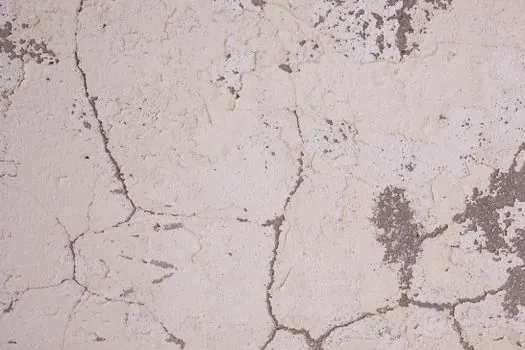
Plastic-shrinkage cracking develops while concrete is still plastic, commonly during the first few hours to days after placement. Rapid surface evaporation, differential drying, and resulting tensile stresses can produce shallow hairline cracks [S5]. Microfibers help bridge and distribute these early stresses, but they do not eliminate the need for wind protection, fogging or wet curing, retarding admixtures, and correctly timed finishing [S5].
Cellulose can over-absorb water, so dosage and mix water must be verified in a trial batch rather than transferred directly from polypropylene practice. Polypropylene can reduce workability at excessive dosage, and its mechanical bond rather than ionic bond gives it different dispersion and adhesion behavior from acrylic fiber [S1][S5].
Neither micro-fiber type should be credited with replacing steel bars, anchor bars, structural mesh, or properly designed macro reinforcement. Natural fibers are also used in cementitious products, but the Fiber Reinforced Concrete Association distinguishes cellulose fibers as wood-pulp products used much like micro-synthetic fibers for plastic-shrinkage control [S3].
Specification, Testing, and Procurement
Specify the material family, nominal length, diameter, fibrillated or monofilament morphology, dosage basis, and performance acceptance criteria separately. The supplier data establish cellulose at about 6 mm long and 0.03 mm in diameter, polypropylene at 6–12 mm long and 0.03–0.05 mm in diameter, and typical polypropylene micro-fiber dosage at 0.03–0.2% by volume [S1][S3].
Request mix trials that measure workability, surface cracking, flexural behavior, and the project’s actual exposure conditions. Cellulose suitability should be checked through water demand, dispersion, finishing, and surface appearance, while polypropylene suitability should include crack width or crack-count criteria, dosage, mixing time, and compatibility with admixtures [S1][S5].
Use a concrete admixture only after the fiber and water demand have been established, because admixture adjustments can alter both workability and setting behavior. For mixes requiring controlled evaporation, pair the selection with an appropriate concrete curing compound, then verify the complete curing system on the trial mix.
The defensible selection rule is straightforward: choose cellulose for renewable content, cohesion, and plastic-shrinkage control; choose polypropylene microfibers for heat resistance, established dosing practice, and stronger suitability for shotcrete or repair mortar. Confirm both choices with a project-specific trial mix and documented acceptance criteria.