
A slide-rail motor base allows the motor to float, while belt tensioner pulleys maintain belt tension and can cushion heavy load changes.
The choice depends on load variation, adjustment frequency, installation geometry, and whether the drive must compensate for belt stretch without operator action.
How the Two Tensioning Methods Work
A slide-rail motor base allows the motor to float on rails. Threaded adjustment slots or a screw move the motor plate, increasing or decreasing belt tension at the drive [S3].
The comparison with a dedicated fixed-center arrangement is covered in Select a Belt Tensioner for a Fixed Center Drive.
Decision Criteria: Load, Maintenance, and Geometry
However, the adjustment must be checked periodically because belt tension changes through wear, temperature, and plastic deformation [S3][S7].
Tensioning pulleys can cushion heavy load changes and increase the wrap angle.
Slide Rail Motor Base: Design and Adjustment
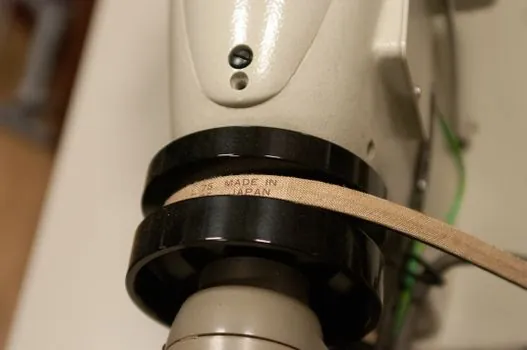
The rails must constrain the motor base while allowing controlled movement. Lubricated bronze bushings mounted on rails are one practical approach, with the exposed guide surfaces covered against contamination [S1]. The carriage should float freely enough to move, while remaining tight enough to avoid binding and alignment error [S1].
The required spring force should be determined from the drive-belt tension, and the spring constant should be determined from the belt's expected stretch.
For a new installation, specify the belt manufacturer’s tensioning procedure, because the correct tension depends on belt type, pulley geometry, and drive load.
Spring Tensioner: Spring Force and Dynamic Response
Heavy-load cushioning and increased wrap angle are benefits of tensioner pulleys.
A plain spring is not always the best choice for a rapidly varying drive.
The spring should be selected from a consistent spring catalog. The design sequence is to establish the required belt tension, estimate belt stretch, calculate the required spring constant, and then select a suitable die spring [S1].
Installation and Maintenance Requirements
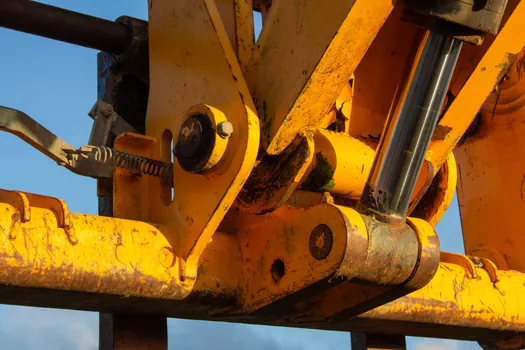
Disconnect and lock out the motor before changing belt tension. Verify pulley rotation direction and belt tracking under no-load conditions before applying the operating load.
For a slide base, inspection should cover the adjustment screw, captive nut, guide rails, bushings, fasteners, and motor mounting bolts. For a spring tensioner, inspect the spring, pivot hardware, idler bearing, arm clearance, and pulley alignment. Belt tension should be checked periodically in case a steel or rubber spring motor base loosens or wears and reduces the tension.
Use the belt tensioner reference to distinguish spring-loaded, hydraulic, eccentric, and manually adjustable tensioning arrangements. If the drive uses V-belts, select the sheave and belt geometry from the V-belt and sprocket references only where those components are actually installed.
Application Recommendation and Verification
Use a slide-rail motor base when the motor can move safely, the load is stable, and maintenance staff will adjust and verify tension at defined intervals. Use a spring tensioner when the drive experiences substantial load changes, belt removal is frequent, the motor must remain fixed, or automatic compensation is operationally valuable. For high-vibration engine drives, evaluate the tensioner separately from the belt selection using the Select a Belt Tensioner for High-Vibration Engine Drives guidance. [S3]
Before accepting either arrangement, verify three measurable conditions: the belt reaches the manufacturer-specified tension, the drive tracks without walking, and the motor, bearings, and belt remain free of overload under working load. Record the adjustment method, spring force or base position, and inspection interval in the maintenance file. These checks provide the defensible next decision point: choose the simpler manual base only when controlled adjustment is part of the maintenance plan.