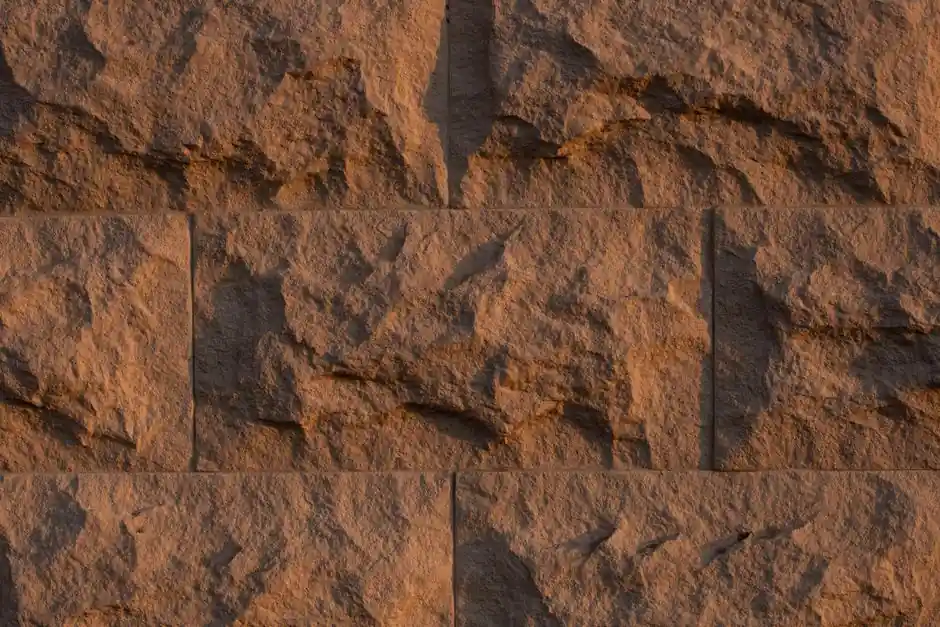
Penetrating sealers reduce water and oil absorption inside porous stone without leaving a visible film, while topical sealers form a surface layer with added sheen and greater wear-maintenance demands [S1][S2].
This comparison covers natural-stone floors, walls, countertops, pavers, masonry, and porous grout, with both product classes available in water-based or solvent-based formulations [S6].
How the two sealer classes work
A penetrating sealer enters the pore network of stone, grout, concrete, or masonry and deposits repellent solids that reduce absorption of water, oil, and other contaminants. It normally preserves the original color, sheen, and texture, making it the default choice where appearance must remain unchanged [S1][S5].
Penetrating sealers move into the pores of stone, grout, concrete, or masonry and leave protective solids behind without creating a visible film [S1]. Penetration is depth- and substrate-dependent, so dense stone may receive limited treatment unless the chemistry is formulated for that surface [S1].
A topical sealer remains primarily at the surface as an acrylic, urethane, resin lacquer, or wax-type finish. It creates a barrier against traffic and contamination while potentially adding gloss, deepening color, or making the finish more uniform [S1][S2]. Both classes can be water- or solvent-based, so carrier choice does not determine whether a product penetrates [S6].
Penetrating versus topical performance
The principal decision is appearance and wear tolerance. Penetrating sealers suit honed, polished, and natural-finish stone where the objective is invisible protection. Topical sealers suit terracotta, slate, outdoor paving, and some porous or low-sheen floors where enhanced color, sheen, or a renewable sacrificial barrier is acceptable [S1][S2].
Compared with penetrating treatment, a topical coating offers a more obvious barrier and can create a uniform wet-look finish. Its disadvantages are visible abrasion tracks, yellowing with some acrylic or resin chemistries, and periodic recoating or stripping. Penetrating products wear without forming a visible film, although their protection must still be renewed [S1][S2].
A topical film applied over damp stone can trap moisture and later produce clouding, whitening, adhesion loss, or delamination [S1][S2][S3]. Neither class prevents acid etching: marble and other calcite stone can react with acids regardless of whether a sealer is present [S2].
A supplier-specific maintenance interval of 3 to 5 years and a 30-day full cure are documented for one penetrating system, but those figures should not be transferred to every chemistry [S3].
Where each product fits
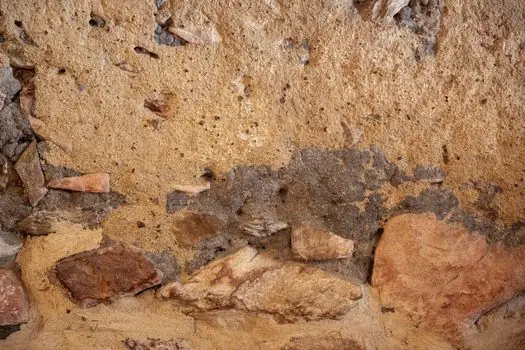
Use a penetrating sealer for natural stone, porous grout, and dense tile installations where a natural finish is required. Relevant substrates include marble, granite, travertine, limestone, sandstone, slate, pavers, concrete, and grout [S1]. On a honed marble floor, polished marble countertop, or shower grout joint, penetration preserves the visual character while reducing absorption.
Fully glazed porcelain tile faces are effectively impervious and give a penetrating sealer no useful surface to bond with, although the adjacent grout remains porous. Unglazed or textured porcelain is not equivalent to a fully glazed face and requires product-specific evaluation [S3]. For a stone or porcelain installation where grout appearance and washability matter, the technical differences in ceramic tile selection affect how sealer compatibility is assessed.
Use a topical system where a sacrificial layer is part of the maintenance plan. Commercial floors with defined stripping and recoating cycles, decorative masonry, terracotta, slate, and some outdoor paving can justify it [S2]. This approach is less suitable where owners reject gloss, color enrichment, visible wear tracks, or a stripping cycle, or where trapped moisture threatens adhesion.
Do not specify either class for a surface expected to resist etching, impact damage, or permanent oil exposure. Penetrating sealers slow absorption and give time to remove a spill; they do not create a stain-proof surface. Dense substrates may absorb little even when properly treated, while acids and prolonged heavy oils can still cause visible damage [S1][S2].
Preparation, application, and service control
Both the substrate and sealer must be clean and dry before application. Penetrating products require adequate dwell time for the carrier to leave the pores, while topical coatings require controlled film build and cure. Applying a film before the stone is fully dry increases the risk of whitening, clouding, or later detachment [S2][S5].
This is a product-specific procedure, not a universal rule.
Topical coatings require inspection for film continuity, uniform appearance, and early adhesion or yellowing defects. Reapplication timing should follow measured wear rather than a fixed calendar date, because traffic zones and edges abrade faster than protected areas [S2]. Penetrating systems also need reapplication, but their maintenance is less appearance-sensitive because there is no discrete film to strip.
Set the stone moisture condition before application rather than treating sealer as a moisture-control system. The separate decision framework in building stone moisture limits before sealing is relevant where drying time is already a project risk.
Limitations and failure diagnosis
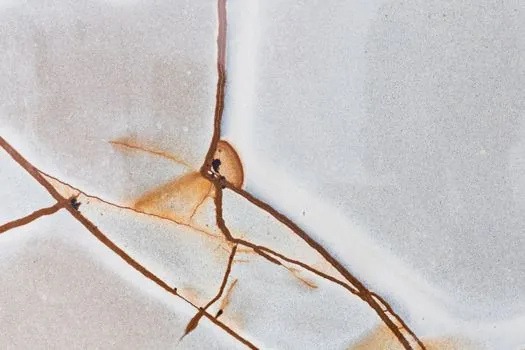
A topical failure commonly appears as gloss loss in traffic lanes, yellowing, whitening, peeling, or a visible edge where the film has worn. These symptoms indicate a surface-coating maintenance problem, not necessarily inadequate pore saturation. Recoating or stripping may be required, and compatibility with the existing film must be checked before another coat is specified [S1][S2].
A penetrating sealer can fail through insufficient penetration, a wet substrate, poor cleaning, or wear of the impregnated zone. Reapplication is generally less disruptive because there is no film to remove. However, a penetrating sealer does not fill pores, level joints, repair etching, or eliminate salt movement [S1].
Neither category makes natural stone impervious to acid etching. A circular mark with associated drips or spill residue is more consistent with chemical etching than sealer wear, while a film lifting with a removable floor-fixing device can indicate inadequate cure or an application-sequence problem [S5]. Diagnose the mark before specifying more sealer.
Laboratory evidence cited for one product reports natural-stone mass loss of 6.7% when unsealed versus 0.1% when sealed over the test period [S3]. That result belongs to the stated laboratory test and product context; it does not establish a universal absorption-reduction percentage for every stone, sealer, or exposure condition.
Procurement and written specification
Specify the substrate, required appearance, water-based or solvent-based carrier, acceptable penetration depth, appearance change, traction and slip behavior where relevant, cure period, maintenance method, and expected recoating conditions. A generic request for “stone sealer” leaves the central choice unresolved because penetrating and topical products can share the same carrier [S6].
For penetrating treatments, request evidence of reduced water and oil absorption, low visual change, compatibility with the named stone, cleaning and drying requirements, and reapplication instructions. For topical coatings, request film build, cure time, gloss or color change, abrasion behavior, yellowing resistance, and whether the design includes a defined stripping cycle [S1][S2].
Require a mock-up on the actual stone, including grout and adjacent details, for both appearance and maintenance acceptance. On existing installations, identify whether a previous film is present and whether the client accepts color enrichment, gloss, stripping, and visible wear transitions [S1][S5]. This qualification protects the finish schedule better than selecting a generic sealer class from a photograph.
Track three project controls before closeout: substrate dryness at application, the manufacturer-specified cure period before traffic, and the agreed renewal trigger, whether based on water-absorption testing, visible wear, or scheduled maintenance [S1][S2][S6].