
A hybrid macro/micro polypropylene fiber system pairs 6-12 mm micro fibers at 0.6-1.0 kg/m³ with 30-60 mm macro fibers at 3-6 kg/m³ to control plastic shrinkage cracking and deliver post-crack residual strength in the same mix [S3].
The 2024-2026 research record consistently shows the two fiber scales address different crack stages, with micro fibers arresting early microcrack formation and macro fibers bridging larger cracks that propagate under service load [S2][S5].
What the Two Fiber Scales Actually Do
Micro polypropylene fibers are typically 6-12 mm long with diameters below 40 μm, designed to disperse through the cement paste and form a 3D micro-reinforcement network that limits plastic shrinkage and settlement cracking at very early age [S3]. They act as secondary reinforcement, not structural reinforcement, and are commonly dosed at 0.6-1.0 kg/m³ in slabs, precast, screeds, and repair mortars [S3].
Macro polypropylene fibers run 30-60 mm in length and are noticeably coarser, with embossed or fibrillated surface profiles that improve mechanical anchorage in the hardened matrix [S3]. Typical dosage sits in the 3-6 kg/m³ window, and the residual flexural strength gains (R1/R10 per EN 14889-2) plus impact and fatigue resistance are large enough to let the fibers replace welded wire mesh or light steel rebar in non-structural slabs and shotcrete [S3].
For broader concrete reinforcement material selection context, the concrete fiber reference catalog breaks down the full fiber family (steel, glass, synthetic, natural) classified under ASTM C1116 by fiber type [S4].
Why Single-Fiber Mixes Fall Short
Plain concrete is brittle under tension and loses tensile capacity almost immediately once a crack opens, which is why steel rebar handles primary structural loads in beams and slabs [S4]. Fibers serve a different role: they spread through the matrix as thousands of micro-bridges, but a single fiber type only addresses a narrow range of crack widths and stress stages [S4].
Polypropylene fibers alone are chemically inert, low density, and cost-effective, yet their low elastic modulus limits peak strength and post-peak ductility gains compared with steel or basalt [S2][S5]. Steel fibers alone deliver high strength and toughness but do little for early-age plastic shrinkage, and they corrode in chloride-exposed or carbonated environments [S2].
A 2025 review of hybrid fiber systems specifically concluded that combining micro PP fibers with macro steel fibers (PSSL) produced better flexural behavior than either fiber alone, because each scale controlled a different stage of crack development [S2].
Hybrid Architecture: How the Two Scales Combine
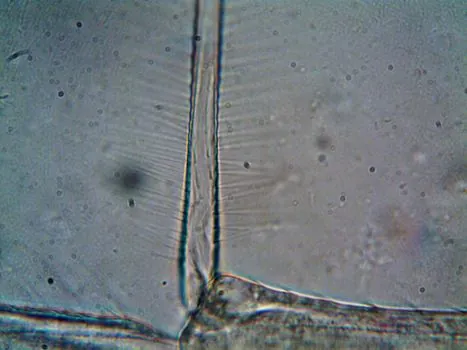
Hybrid fiber reinforced concrete uses two or more fiber types in one mix, with the design intent that one fiber type controls microcrack development while the other bridges macrocracks that open under load [S2][S4]. In a hybrid PP system, the micro PP fiber eliminates early-age shrinkage deficiencies and controls microcrack propagation, while the macro PP fiber enhances post-cracking properties and toughness [S2].
Macro-polypropylene fibers are commonly produced by gluing thin PP fibers together to form a coarser bundle, which mitigates the balling effect that pure monofilament PP fibers suffer during high-volume mixing and produces more uniform fiber distribution in self-compacting concrete [S1]. The same study showed that at 1% volumetric fiber content, macro-PP self-compacting concrete improved resistance to freeze-thaw cycling by 72%, to sulfate attack by 54%, and to hydrochloric acid attack by 24% versus plain control at 92 days [S1].
A 2025 study on three PP fiber morphologies (Barchip, Macro, and Monofilament) in hybrid combinations confirmed that coarser, embossed Barchip and Macro PP fibers deliver stronger bridging interaction with the cement matrix under compressive load, while finer Monofilament PP fibers excel at early-age plastic shrinkage and microcrack control [S5].
Decision Comparison: Micro PP, Macro PP, and Hybrid PP
Specifiers can use the following criteria-based comparison to pick the right system for a given element: [S3]
Micro PP only (0.6-1.0 kg/m³): best for plastic-shrinkage control and surface durability in slabs-on-grade, precast, screeds, overlays, and shotcrete finish improvement; replaces nothing structurally; cost impact is low; finishability is excellent [S3].
Macro PP only (3-6 kg/m³): best for heavy-duty industrial floors, jointless slabs, tunnel shotcrete, and pavement requiring high toughness and impact resistance; can replace welded wire mesh or steel fibers in non-structural applications; cost impact is moderate; finishability needs adjustment [S3].
Hybrid micro + macro PP: combines early-age crack control with post-crack load carrying, reduces permeability, and is recommended for industrial floors with strict cracking tolerance, shotcrete needing both finishability and toughness, and high-durability slabs exposed to thermal cycling [S3]. The ACI 544 framework and EN 14889-2 both cover the residual-strength and toughness characterization that this hybrid system is judged against [S3].
ASTM C1609 (load-deflection beam test for first-peak strength, residual strength, and toughness) and ASTM C1116 (fiber-reinforced concrete classification) are the two primary test methods cited for evaluating any of these systems, including the hybrid configuration [S4].
2025-2026 Research Highlights and Verified Numbers
A 2025 study published in Scientific Reports compared Macro PP, Barchip PP, and Monofilament PP fibers in hybrid combinations and reported measurable gains in compressive and flexural performance over mono-fiber control mixes, with macro fibers contributing energy absorption and toughness while monofilament fibers addressed early-age crack control [S5].
A 2026 Journal of Physics Conference Series paper on hybrid micro/macro PP fibers attributed the enhanced strength of the composite to the combined action of the two fiber scales, with the micro PP arresting early cracks and the macro PP serving as fine reinforcement in the hardened matrix [S6].
2024 work on macro-PP fiber reinforced self-compacting concrete (432 cube samples tested at 28, 56, and 92 days) showed that the 1% volumetric dosage was the optimum among 0%, 0.5%, 1.0%, and 1.5% v/f levels for combined freeze-thaw, sulfate, and acid exposure, suggesting a useful upper-bound reference for specifiers in aggressive exposure environments [S1].
Limitations, Failure Modes, and Sourcing Constraints
Adding any fiber, including PP, increases internal mix cohesion and reduces workability; higher surface area and higher dosages demand water-reducer adjustments and can complicate placement if mix design is not rebalanced [S5]. Micro fibers will not replace any steel rebar structurally and are used mostly in thin bonded overlays and non-structural elements [S3][S8].
Traditional loose monofilament PP fibers can ball during mixing, leading to uneven distribution; the glued macro-PP bundle geometry was developed specifically to suppress that failure mode in self-compacting concrete [S1]. Macro synthetic fibers are also a different beast from micro fibers in handling terms: finishability requires adjustment, and barchip-style embossed macro fibers need proper dispersion during batching to realize their full bridging effect [S3][S5].
Field-side resource planning ties into ready-mix logistics; a 10 m³ concrete mixer truck running 66,000-72,000 lb fully loaded is the typical haul unit for fiber-dosed mixes, and longer discharge times at the job site need to be factored into the pour schedule when macro fiber content pushes past 4 kg/m³.
Standards and Selection References

ASTM C1116 classifies fiber-reinforced concrete by fiber type (steel, glass, synthetic, natural) and requires uniform fiber distribution at delivery [S4]. ASTM C1609 is the flexural performance test that produces first-peak strength, residual strength (R1/R10), and toughness values from beam load-deflection curves and is the primary specifier tool for hybrid PP systems [S3][S4]. EN 14889-2 is the European residual-strength classification referenced for macro synthetic fibers used in non-structural slab and shotcrete applications [S3]. ACI 544 covers the design and selection of fiber-reinforced concrete more broadly and is cited alongside the EN standard for non-structural macro fiber use [S3].
For procurement teams sourcing dosing equipment and QC instruments, the checking and testing apparatus catalog covers beam molds, deflection gauges, and loading frames specified for C1609 tests. Mixing and placement hardware for fiber-dosed concrete falls under construction machinery and equipment, including pan mixers and self-compacting concrete buckets that handle macro PP bundles without breakup.
Track these signals over the next two quarters: (1) revised ACI 544 guidance on hybrid fiber design provisions for slab-on-ground applications, and (2) manufacturer-published dosage curves for combined micro/macro PP at total fiber contents above 6 kg/m³, which is where current published data thins out and field experience is still the dominant reference.