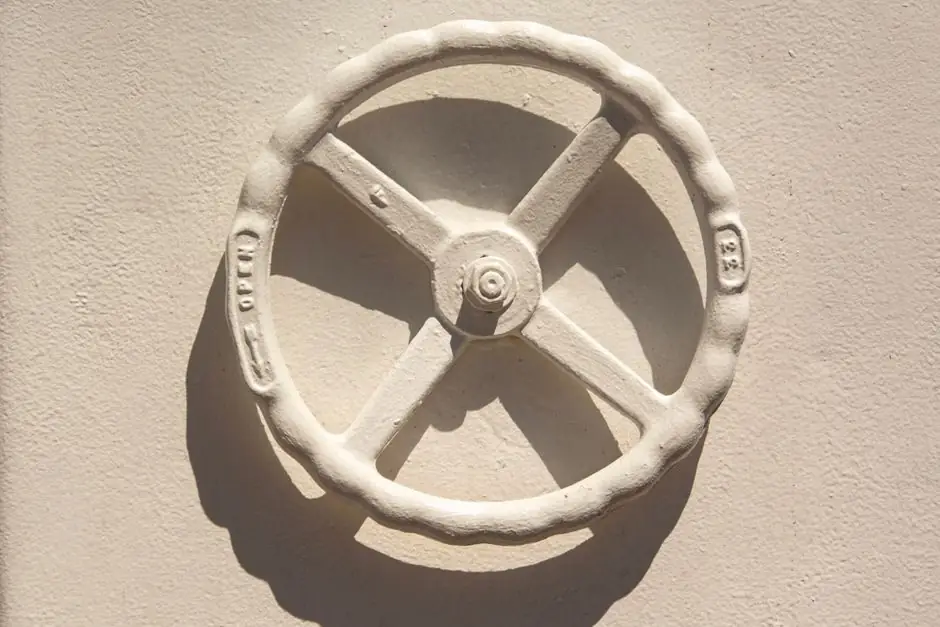
Industrial valve sourcing from China in 2026 clusters around ten manufacturers with documented API 6D, API 600, and ISO 15848-1 credentials, with project-fit lead times of 14–90 days depending on valve type and severity of service [S1][S3].
Buyers who skip documentation verification and supplier audits face the six failure modes catalogued across 2026 sourcing guides: wrong specifications, trading-company impersonators, material substitution, weld defects, capacity overcommitment, and hidden surcharges [S2].
What the 2026 supplier shortlist actually shows
The 2026 industrial valve supplier landscape splits into four positioning tiers: premium API-monogram heavy energy (Neway, SUFA), mid-high specialist (VERVO, Jiangnan, Chaoda, Boteli), mid-range general industrial (Yuanda, Beijing Valve, Jiangheng, Dervos), and budget high-volume (Amico, SWD Plastic) [S1][S3][S4]. Neway runs the largest Chinese ball-valve line for heavy oil and gas with API 6D and API 600 large-diameter gate and globe production; SUFA, under CNNC, owns the nuclear and defense control-valve niche; Yuanda moves volume on cast iron and cast steel at 30–45 day lead times for water and HVAC [S1].
Specialist factories now document certification depth rather than just headcount. VERVO Valve in Lishui publishes API Q1, API 6D, API 600, API 602, API 607, API 609, API 622, API STD 624-2023, ISO 15848-1 fugitive emissions, CE under PED 2014/68/EU, plus EAC TR TC 010/2011 and TR TC 032/2013, and states no published MOQ [S3]. JSC Valve in Wenzhou and Bosseal in Suzhou hold forged and cast-steel positions for industrial buyers; Jiangheng in Funing runs cryogenic, oxygen, and control-valve lines for special-service RFQs [S3][S4].
Project-fit lead times and price tiers in 2026
Standardized lead-time data from the 2026 sourcing guides splits the market sharply: Hearken Flow quotes 14 days on automated fluid-control lines, Amico runs brass plumbing at 15–30 days, Yuanda hits 30–45 days for water and HVAC, Chaoda and Boteli land 45–60 days for severe service and forged-steel API work, while Neway, Jiangnan, and Shanghai Valve Factory extend 60–90 days for large-diameter and cryogenic builds [S1].
Premium-tier pricing applies where the service envelope is harshest. Neway, SUFA, and Shanghai Valve Factory (cryogenic/LNG, -196°C liquid gas) sit at premium; Jiangnan, Chaoda, and Boteli sit mid-high; Yuanda and Amico are the budget tier; Beijing Valve and Hearken are mid-range [S1]. Buyers matching budget to envelope should expect the severe-service and nuclear lines to reject sub-tier RFQs outright, and budget foundries to lack the welding and NDE documentation required for sour-service hydrocarbons [S2][S3].
Selection criteria by valve type, standard, and service
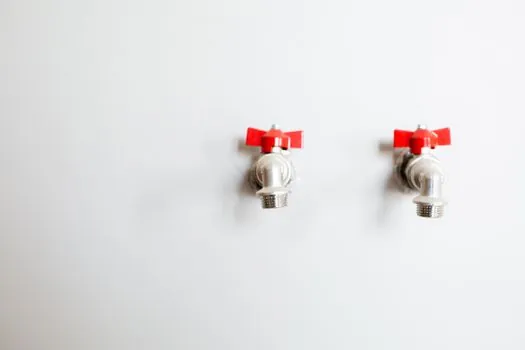
Selection by valve type maps cleanly onto manufacturer strength in the 2026 guides: ball valves route to Neway, VERVO, Boteli, JSC, Tianyu, Zhejiang Liangyi, and Wofer for forged and cast-steel API 6D builds; gate and globe to Neway, VERVO, Dervos, and Weizidom; triple-offset butterfly to Jiangnan for hydroelectric and large dams; knife gate to water and slurry specialists; cryogenic to Shanghai Valve Factory, VERVO, and Jiangheng at -196°C LNG envelope [S1][S3][S4][S7].
Selection by application is more decisive than brand ranking. Oil and gas, petrochemical, and power projects require API 6D, API 600, API 602, API 607 fire-safe, API 622, and ISO 15848-1 fugitive emissions, all present in VERVO's published license stack [S3]. Water and HVAC distribution can drop to EN 1171 / EN 1074 ductile-iron resilient-seated gate valves on Yuanda and Weizidom lines [S1][S3]. Brass plumbing and commercial-grade flow control route to Amico and the five-reputable-brass-valve-manufacturer cohort published in 2026 [S6]. Severe-service chemical processing with temperatures above 600°C and abrasive media routes to Chaoda's metal-to-metal hard-seal line [S1].
Comparison: four supplier archetypes against the four buyer decision criteria
Four archetypes in the 2026 shortlist line up against four buyer criteria. Premium API-monogram OEM (Neway, SUFA, Shanghai Valve Factory) scores high on standard coverage (API 6D, API 600, nuclear safety) and severe-service capability but extends lead time to 60–90 days and sits at premium price. Mid-high specialist (VERVO, Jiangnan, Chaoda, Boteli) scores high on certification depth and severe-service capability at mid-high price with 45–90 day lead times. Mid-range general industrial (Yuanda, Beijing Valve, Hearken) scores high on responsiveness and price (30–60 day, mid-range) but lower on severe-service capability. Budget high-volume (Amico, SWD Plastic) scores high on price and lead time (15–30 day) but lowest on standard coverage and severe-service capability [S1][S3]. Buyers should refuse to drop below the certification floor their service class demands: the failure mode of budget-foundry sour service is weld and material substitution, not late delivery [S2].
Inspection, documentation, and the supplier-vetting gate
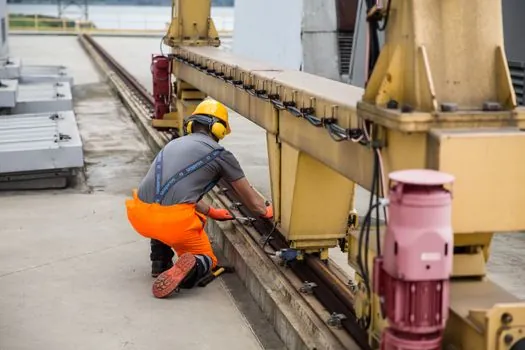
The 2026 supplier-vetting gate has five steps. Confirm whether the contact is a factory or trading company. Ask for the actual certificates: API Q1, API 6D monogram, ISO 9001:2015, ISO 14001:2015, ISO 45001:2018, PED 2014/68/EU CE, and EAC where the destination is the EAEU [S3][S4]. Cross-check the supplier's product structure against your RFQ, and refuse substitutions to non-equivalent pressure class or material. Ask where the supplier is strong and where they are not, then evaluate the quality of the technical questions they return, since engineering questions are the leading indicator of capability [S4].
Quality inspection must run on a stage-gate basis with hold points for dimensional check, material certification (mill certificates with traceable heat numbers), non-destructive examination (radiography, magnetic particle, dye penetrant as applicable), hydrostatic or pneumatic pressure test witnessed by buyer or third-party inspector, and pre-shipment inspection of markings, coatings, and packaging [S2]. The 2026 procurement-sourcing guides now require photographs and inspection records at every milestone, not a single final-inspection photo [S2].
Logistics, MOQ, and the shipping window
Shipping valve accessories from China to global markets in 2026 runs on documented production lead time, export documentation, and freight booking against holiday bottlenecks; Chinese New Year (typically late January to mid-February) and National Day (late September to early October) shut most factories for 7–10 days and should be back-planned into any critical-path delivery [S9].
MOQ varies by manufacturer. VERVO states no MOQ, subject to size and material stock [S3]. Foundry-based API 6D lines typically enforce heat-lot minimums because small lots cannot recover the pattern and heat-treatment setup cost; the 2026 guides put foundry MOQs effectively in the 5–20 piece range for non-standard sizes, and zero for cataloged sizes carried in stock [S3][S4]. Payment terms on Chinese industrial valve orders in 2026 typically run 30% T/T deposit against PO, 70% balance against copy of B/L, with LC at sight available for premium-tier OEMs [S2].
Forging ball valves: where China leads in 2026
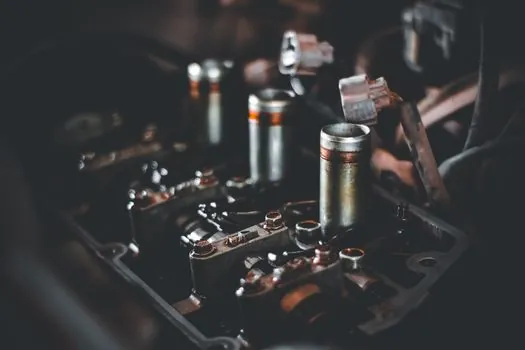
Forged ball valves are a distinct sub-segment because the forging process yields finer grain structure and higher mechanical integrity than cast bodies, which matters for high-pressure Class 600# and above, sour service under NACE MR0175, and hydrogen service where embrittlement resistance is non-negotiable. The 2026 sourcing guide for forged ball valve manufacturers highlights Chinese suppliers with documented forging capacity, in-house heat treatment, and NACE MR0175 certification as the credible sources [S7].
Buyers specifying forged ball valves from China should require ASTM A105, A182 F22, F51, F55, or F316 body and trim disclosures, NACE MR0175 compliance letter for sour service, API 607 or API 6FA fire-safe certification, and ISO 15848-1 fugitive-emission testing for low-emission service [S3][S7]. Industrial valve categories used in oil and gas, petrochemical, and power generation route to the forged segment first, with cast and butterfly products reserved for less severe envelopes.
Water, wastewater, and the Digital Water shift
The 2026 water and wastewater guide flags a shift from passive flow control to networked, sensor-instrumented valves tied to SCADA and Industrial IoT platforms, with electric actuators delivering real-time flow adjustment, remote health monitoring, and predictive maintenance that flags seat wear and actuator fault before unplanned downtime [S5].
Knife gate valves, resilient-seated gate valves, non-slam check valves, and high-performance offset butterfly valves carry the wastewater envelope; high-performance offset butterfly is increasingly replacing gate valves in large-diameter municipal lines for weight and cost reasons, but at the cost of throttling accuracy [S5]. Buyers who already procure industrial valves for water should plan a five-year migration to electric actuation and IIoT health monitoring on critical pump-station and dosing skids.
Who this sourcing route is for, and who it is not for
This route fits EPC contractors, OEM skid builders, water utilities, cement and chemical majors, and project consultants buying API 6D, API 600, EN 1171, EN 1074, or PED 2014/68/EU valves at $50–$500,000 PO values, where the cost gap versus domestic sourcing (typically 20–45% on the same spec) justifies the verification work [S2][S3]. It does not fit one-off replacement valves under $2,000 where freight and inspection cost dominate, nor does it fit end-users without a competent inspector or in-region agent to witness tests [S2].
Buyers without in-house valve engineering should engage a sourcing agent or EPC consultant who documents stage-gates, hold points, and acceptance criteria in writing, since the failure modes catalogued in 2026 (wrong specs, fake suppliers, material substitution, weld defects, missed milestones, hidden costs) all trace back to a missing verification step rather than a missing supplier [S2]. A structured China valve sourcing process mirrors the supplier-qualification logic used for pumps, hydraulic components, and pneumatic systems, where the same trading-company impersonation and material-substitution risks apply.
Track three signals over the next 12 months: (1) whether API 6D and API 600 monogram audits tighten under revised API quality programs, (2) whether PED 2014/68/EU CE marking continues to be a hard requirement for EU-bound shipments after the 2026 enforcement cycle, and (3) whether China sourcing of forged components consolidates around the Lishui, Wenzhou, and Suzhou clusters with published EAC and CE certification packages.
Spec-level background on the components involved: linear guide, and crossed roller guide.