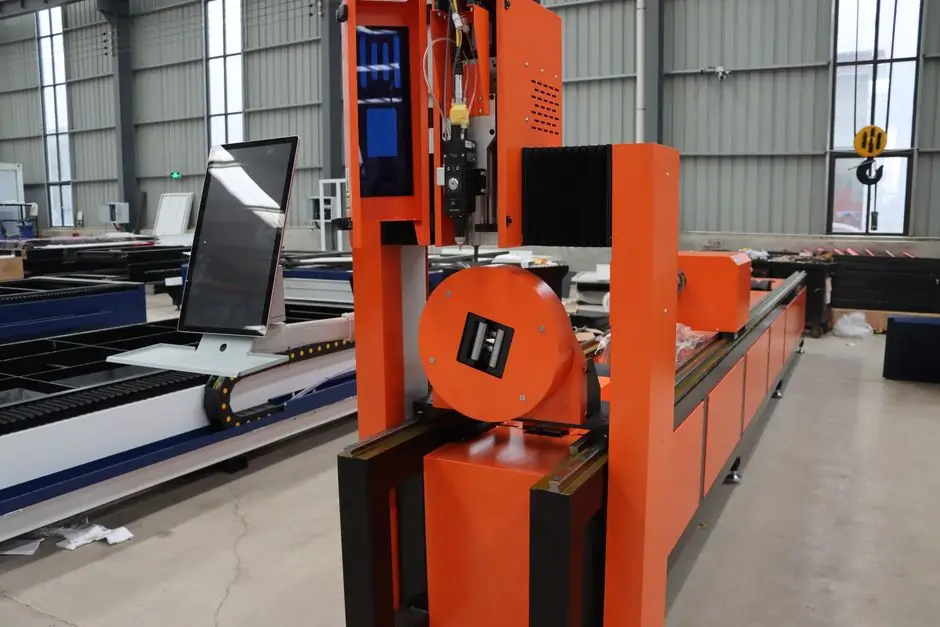
Choose CNC machining when positioning accuracy, repeatability, and batch consistency justify automation, with compact machines cited at ±0.05–0.10 mm positioning accuracy [S2].
Choose manual milling when setup flexibility, operator skill, and low-volume repair work matter more than automated repeatability [S1][S3].
Positioning Accuracy Means Different Things
Manual milling accuracy depends heavily on operator control, setup, and the machinist’s ability to move the table with handwheels and adjust depth of cut [S1]. CNC machining removes that variability by following programmed coordinates, while controlling feed rate, spindle speed, and tool movement automatically [S1].
The comparison is not simply “CNC equals accuracy.” A CNC can reproduce a proven setup, but its positioning performance cannot exceed the machine’s calibration, workholding, tool condition, thermal stability, and program. Manual machining can produce accurate parts, but each part depends on the operator’s setup and execution [S1][S3].
CNC vs Manual: Four Decision Criteria
These figures describe particular machine configurations and should not be transferred to every CNC mill.
Setup speed can favor manual milling for one-off parts because dimensions can be adjusted immediately without rewriting a program [S1]. CNC gains production value when a completed program is repeated, because the toolpath and cutting parameters can be reproduced from cycle to cycle [S1].
Complexity also separates the two. Manual milling is generally limited by hand control and available setup methods, while CNC machining is suited to complex geometry and multiaxis motion [S1][S3]. Cost follows the same pattern: manual equipment has a lower acquisition burden, whereas CNC has a higher purchase price and programming requirement [S4].
Skill allocation differs. Manual milling trains direct control of feeds, depth, and alignment, which is valuable for vocational instruction [S4]. CNC requires programming, setup discipline, and knowledge of feeds and speeds, since automating motion does not automate correct cutting conditions [S1].
Where Each Machine Fits the Workload
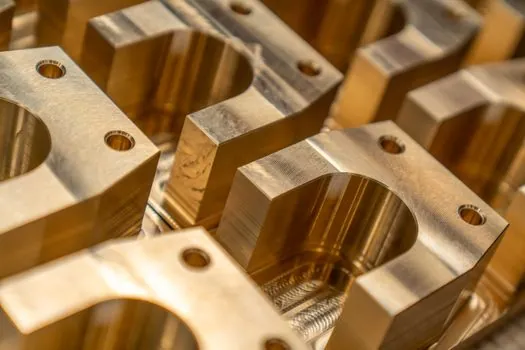
Use a CNC machining center for batch components, repeated toolpaths, complex geometry, and production work requiring consistent results [S1][S3].
Use a manual milling machine for repairs, prototypes, one-off parts, and quick dimensional changes [S1][S3]. A skilled manual machinist may finish the first parts before a CNC program and setup are complete, which makes manual milling attractive when quantity is low [S4].
A teach mill or similar half-CNC machine is a practical middle option. It permits manual operation and full CNC control, but it does not remove the need to compare programming time against hand setup for each workload [S4].
Limits, Failure Modes, and Machine Selection
CNC positioning accuracy can degrade through a loose workholding setup, worn spindle or ballscrew, incorrect tool length offsets, thermal growth, vibration, backlash, or a program that does not match the actual fixture. Feedback systems, tool monitoring, and automatic tool changers can support accuracy and repeatability, but they do not replace correct setup [S3].
Manual milling is vulnerable to inconsistent handwheel movement, setup alignment, depth-control error, and operator-dependent judging of cutting resistance and tool position [S1]. A digital readout can improve measurement and movement, but it does not automatically deliver CNC-level repeatability [S4].
Do not choose from spindle power or axis count alone. Machine size, travel, rigidity, inspection requirements, and lot size should determine the final purchase.
Verification Method for an Actual Purchase
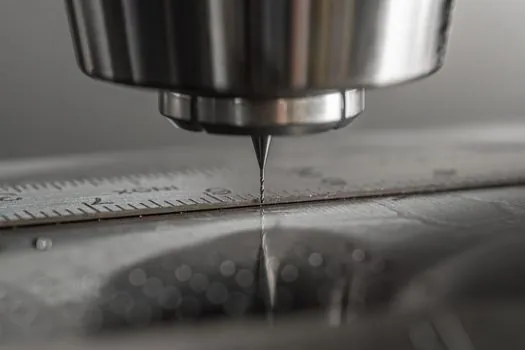
Specify positioning accuracy and repeatability separately. A positioning test records commanded versus measured axis location, while repeatability measures how closely the machine returns to the same position over repeated moves.
Verify results with the machine installed, leveled, warmed, and loaded with representative workholding and tooling. Acceptance criteria should include the manufacturer’s stated axis-specific positioning tolerance, repeatability, test direction, load condition, and measurement method. The available research supports the quoted machine examples, but it does not establish a universal accuracy class for manual or CNC mills [S1][S2].
For final selection, run a representative part on both processes and measure critical dimensions, feature position, setup time, cycle time, and operator intervention. Track the first article and a repeat article separately, since a CNC advantage in repeatability can be offset by programming and setup time on a low-volume job [S1][S4].
Before approving a machine, obtain the serial-number-specific accuracy and repeatability records, full travel limits, required electrical service, and warranty terms, then compare those data with the actual annual workload and tolerance class.