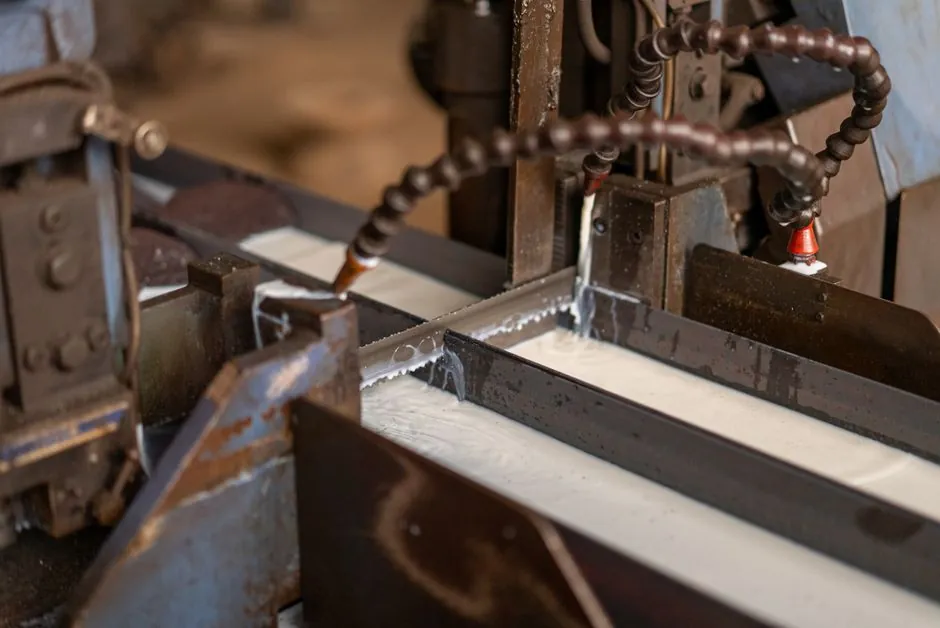
CO2-cured alkaline phenolic cold box systems (water-based resole resin, gassed with CO2 in a sealed core box) run at 1.5–3.0% binder on sand weight and are compatible with most existing cold box equipment after a gas-injector conversion [S1].
Amine-cured phenolic urethane cold box (PUCB), the 1968 ASK Chemicals invention, remains the higher-strength, higher-productivity default for series coremaking; tensile strength, mixed-sand bench life, and release characteristics are the benchmarks amine systems are still measured against [S5][S2].
Binder chemistry and gas catalyst compared
CO2-phenolic uses a single-component alkaline phenolic resole dissolved in water as the sole binder, cured by passing CO2 gas through the core box; the system contains no reportable formaldehyde and emits no amine [S2]. PUCB uses a two-component system, a phenolic resin plus an isocyanate, catalysed by a tertiary amine gas (DMEA, DMPA, TEA, or DMIPA) that passes through the box and is scrubbed in an acid aqueous solution before discharge [S5][S4].
The CO2-phenolic mechanism is a one-stage gas reaction, with a "predictable first stage through cure" and "excellent release properties" cited by ASK Chemicals for the equivalent APCB class (Betaset), while PUCB is described by the same supplier as "the original and universal Cold Box binder" with high reactivity and fast cycle times [S5].
Tensile strength, binder level, and bench-life numbers
CO2-phenolic (Carbophen) is recommended at 1.5–3.0% on sand weight, with optimisation of core-box venting, gas volume, and gas retention time pushing real-world plants toward the lower end of that range [S1].
Tensile strengths of CO2-phenolic cores have been measured as comparable to methyl formate-cured phenolic ester systems and sodium-silicate systems, suiting everything from small vein cores to large chunky shapes [S1]. PUCB is the reference point for "high core strengths, long mixed-sand bench life, humidity resistance, and release characteristics" that competing chemistries are benchmarked against [S2].
Cycle time, equipment, and tooling impact
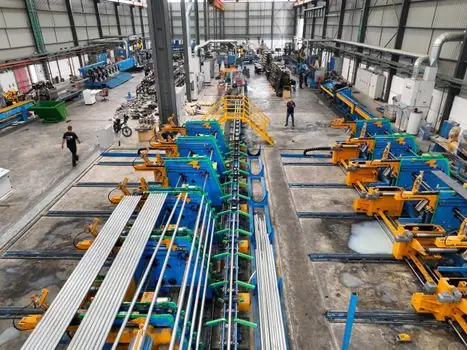
Cold box as a class shares the same headline benefits: no tooling heat, room-temperature cure, lower labour and energy cost than heat-cured systems, immediate core handling, immediate casting eligibility, good dimensional accuracy, and long resin shelf life [S2][S4]. PUCB cycle times are short due to high amine reactivity; Carbophen (CO2-phenolic) cycle is also fast once the gas-injector / venting geometry is matched to the part [S5][S1].
Converting a PUCB line to CO2-phenolic is not a drop-in swap: the gas-injector manifold and core-box venting must be re-engineered, because the critical detail for CO2 systems is "converting the gas injector" plus tuning gas volume and retention time to the core geometry, not just swapping resin drums [S1]. Tooling material flexibility (plastic, wood, or metal core boxes) is one of the process-class advantages that carries over to CO2-phenolic [S4].
Decision matrix: when to pick which
Pick CO2-cured alkaline phenolic when the driver is operator exposure and emissions: no amine in the workplace air, no reportable formaldehyde in the binder, and a water-based resin stream that lets foundries skip the amine scrubber stack [S2][S5]. It is also a fit for job-shop core and mould making where CO2 is a much lower-cost co-reactant than methyl formate or amine, and for large chunky cores that amine systems already serve [S1].
Stay on amine PUCB when the casting programme demands the highest tensile strength, the longest mixed-sand bench life, the best humidity resistance, and the best release characteristics; these are the four attributes HAI positions PUCB against, and they remain the dominant specification for high-volume series cores [S2]. For core designs where the binder level must stay below ~1.5% on sand weight to control gas evolution or veining, PUCB at 0.9–2.0% is the easier target than CO2-phenolic at 1.5–3.0% [S4][S1].
EHS, emissions, and regulatory drag
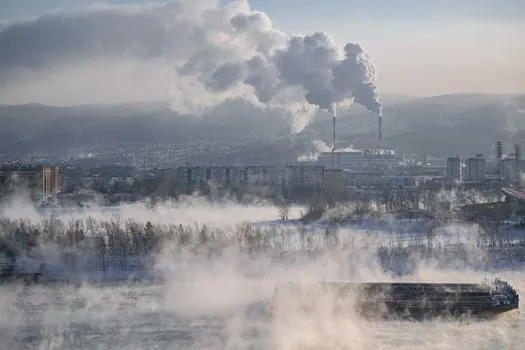
CO2-phenolic (Carbophen) is explicitly "formulated to contain no reportable formaldehyde," which removes a category of regulated emissions the foundry would otherwise have to track [S2]. The amine route requires an acid scrubber on the gasification and wash air to capture tertiary amine (DMEA, DMPA, TEA, DMIPA) before discharge, because the catalyst "cannot be discharged into the environment" at the concentrations generated [S4].
OSHA-aligned foundries evaluating process change should weigh the amine scrubber capex and operating cost against the simpler vent-and-extract arrangement a CO2-phenolic line needs; for a CO2-phenolic line, the gas-handling focus is the injector and venting, not a chemical scrubber train [S1][S4].
Standards, patents, and supplier landscape
Foundry cold box binder technology is anchored by the 1968 phenolic urethane patent held by ASK Chemicals (ISOCURE / ECOCURE brands) and the later hybrid phenolic epoxy (ISOMAX, 1990s) line, with CO2-phenolic (NOVANOL) and methyl formate-phenolic (BETASET, APCB) as the water-based eco lines [S5]. HA International markets Carbophen as the CO2-phenolic reference product and Betaset as the methyl formate-cured phenolic ester line, both described as "water-based, eco-friendly binding agents for Cold Box process" [S5][S2].
Ashland's 1995 patent family (WO1997018913A1) covers cold-box processes that cure an aqueous basic phenolic resole solution with CO2 (and heat) to make foundry shapes, and explicitly notes that additives have been patented to improve the strength of CO2-cured alkaline phenolic cores, evidence that the chemistry has been a long-running development target rather than a settled commodity [S3]. For context on what kind of equipment these binders run on, see the cold-box core machine and cold chamber machine reference pages.
Track two signals over the next two quarters: (1) any new additive patent filings on CO2-cured alkaline phenolic tensile strength, since Ashland's WO1999718913A1 family already flagged additives as the main lever, and (2) foundry-side disclosures of CO2-phenolic retrofit capex versus amine scrubber rebuilds, since that is the financial decision driving most process conversions today [S3][S4]. Cross-reference the decade resistance box page if your line also needs temperature-stable storage for resin totes between shifts.
See also our earlier report, Cast Iron Casting Cost: Pound vs Kilogram Pricing Compared.