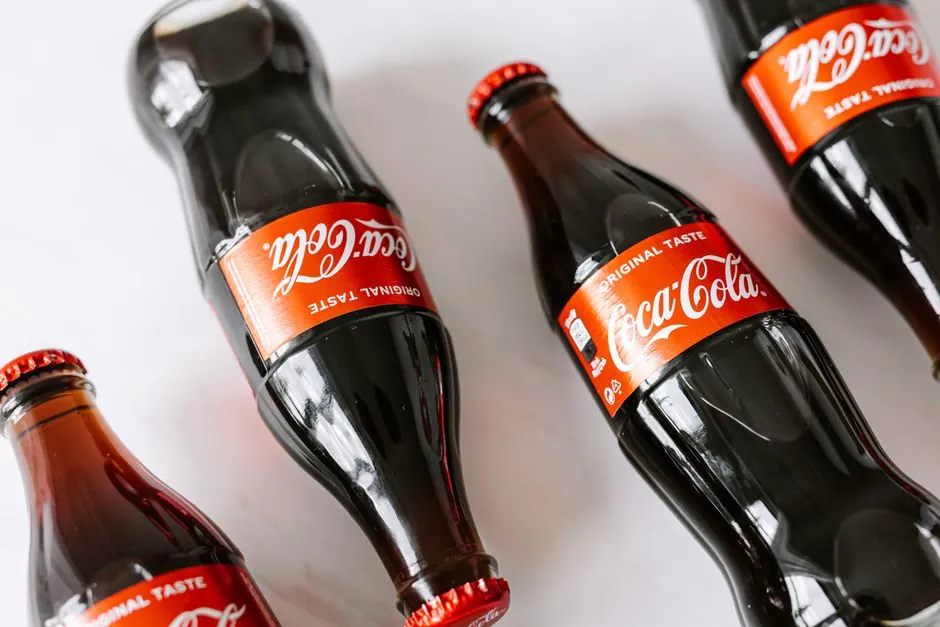
Choose cold glue labels for sustained high-volume beverage runs with full-wrap coverage, or pressure-sensitive labels when line flexibility, short runs, complex graphics, and immediate application outweigh liner waste and per-label cost.
This comparison covers glass bottles with paper or film labels, wet-adhesive systems using water-based or hot-melt glue, and self-adhesive systems using a face stock, adhesive layer, and release liner.
Adhesive Process and Application Equipment
Cold glue labels normally arrive without adhesive. A labeling machine applies liquid glue to the label or bottle, presses the label onto the glass, and then allows the adhesive to dry or cure; cold glue normally operates without heat activation, unlike hot-melt systems [S2].
Pressure-sensitive labels arrive with adhesive already coated onto the face stock. The applicator peels the label from its release liner, brings the adhesive into contact with the bottle, and bonds it using mechanical pressure without separate glue, water, heat, or solvent at application [S1][S3][S6].
The process distinction determines the supporting equipment. A labeling machine for pressure-sensitive material must handle liner release, web tension, peel geometry, and wipe-down contact, while a cold-glue system must also meter glue, control film placement, and provide adequate curing time before handling or secondary packaging.
Decision Criteria: Cost, Run Length, Coverage, and Integration
Cold glue is the stronger fit for a high-volume glass beverage line using one bottle geometry and one label size because continuous roll-fed material eliminates pressure-sensitive release liners and supports wraparound application [S4]. Pressure-sensitive labels are stronger for short runs, frequent artwork changes, and complex die-cut shapes because the adhesive is already contained in the supplied label [S4].
Per-label purchase price is only one cost input. The comparison must include applicator investment, glue or liner consumption, changeover time, production downtime, waste handling, and inventory requirements, because these items can reverse the apparent material-cost advantage [S4].
Glass Surface Quality, Adhesion, and Failure Modes
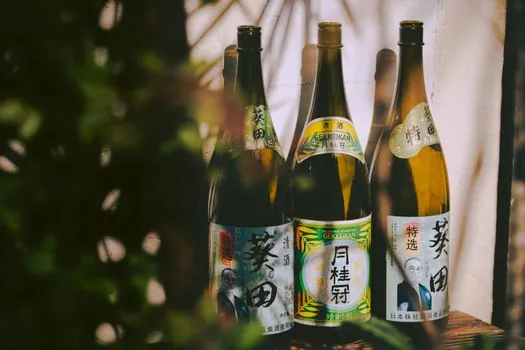
Glass is smooth and nonporous, which favors controlled bonding, but condensation, moisture, residue, silicone, oil, and weak surface preparation can still cause edge lift or flagging. Pressure-sensitive label performance depends on the face stock, adhesive, liner, ambient temperature, humidity, and bottle-surface condition [S1][S3].
Pressure-sensitive failures include bubbling, edge lift, flagging, adhesive transfer, and liner-release problems. Film face stock generally performs better than paper in wet or harsh conditions, while paper remains practical where moisture exposure is limited [S1]. For cold storage, refrigerated display, or condensation exposure, specify the adhesive and face stock for the actual temperature and moisture cycle rather than selecting by facestock alone.
Appearance, Coverage, and Container Geometry
Pressure-sensitive labels support detailed graphics, compliance data, and multiple-color artwork on glass, plastic, and metal containers. They can conform to tapered, cylindrical, and flat profiles, but their coverage and usable surface area are limited by the label geometry and die-cut shape [S3][S5].
For a standard cylindrical bottle with one repeatable SKU, cold glue is appropriate when a continuous printed web and uninterrupted wrap are priorities. For a shaped bottle, limited front-panel area, or variable label artwork, pressure-sensitive labeling is more flexible. A coding machine can add variable data separately, but variable identifiers do not make a pressure-sensitive line automatically superior for a long-run wrap label.
Production Run and Changeover Requirements
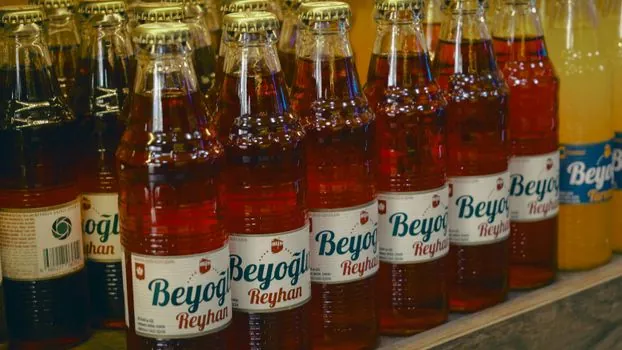
Pressure-sensitive labels can often be applied quickly because there is no separate curing or drying step during application, making the format suitable for high-throughput or manual labeling [S2].
Roll-fed labels are often a strong fit for high-volume production lines that prioritize application speed, consistent wraparound coverage, and reduced label-liner waste. The equipment must support compatible bottle geometry, steady rotation or positioning, controlled glue application, and enough dwell or downstream cure time for the selected adhesive.
Use the production plan as the first filter. If the line processes the same glass bottle continuously for a large volume, evaluate cold glue first. If the schedule contains multiple SKUs, short runs, late artwork changes, or frequent format trials, evaluate pressure-sensitive labeling first, then verify adhesive performance under the actual wash, filling, cooling, and warehouse conditions.
Failure Tests Before Finalizing the Specification
Test both candidates on production glass, not generic sample panels. Include bottles with the actual surface-cleaning chemistry and representative water, alcohol, oil, and condensation exposure; pressure-sensitive selection must account for ambient temperature, humidity, and container-surface characteristics [S3].
For cold glue, measure glue pickup, rotational or tangential registration, wrinkle formation, label-edge lift, and bond strength after the specified cure period. For pressure-sensitive labels, measure peel force, edge lift after condensation exposure, liner release, adhesive transfer, and registration over the full label reel.
A practical acceptance process is to run both systems on the same bottle geometry and compare application minutes per shift, material waste per 1,000 bottles, changeover time, visible rejects, and adhesion failures. The selected method should meet the required bond and appearance without relying on assumptions from a generic label sample.
Recommended Selection by Production Case
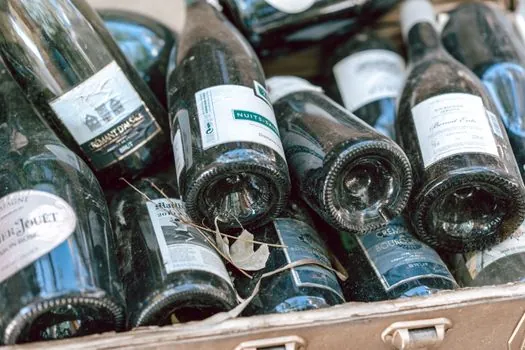
Select cold glue for high-volume glass beverage lines requiring wraparound coverage, especially when one label design runs continuously and the applicator already meters adhesive and provides controlled curing. Select pressure-sensitive labels for short runs, complex die-cut graphics, shaped bottles, and lines that need rapid changeovers or application without liquid-glue preparation [S2][S4].
Do not select pressure-sensitive labels solely because they can bond to glass, and do not select cold glue solely because it gives a polished appearance. The decisive evidence is a production trial covering glass condition, application speed, moisture exposure, cure or liner waste, registration, and failure rate [S1][S3][S4].
Next, record the bottle geometry, annual volume, label dimensions, maximum line speed, storage temperature, condensation exposure, and acceptable changeover time, then obtain comparable trial data from both applicator types. This produces a defensible specification and identifies whether cap and label sequencing creates any additional handling or cure-time constraint.