
A coding machine prints directly on a package or container, while a labeling machine prints a label and applies it to the product; both can add batch numbers, expiry dates, serial codes, barcodes, and QR codes [S8][S9].
The decision depends on the mark or label substrate, required line speed, expected code durability, data source, application method, and need for post-print verification [S1][S4].
Direct Coding Versus Label Application
A coding machine marks the product surface directly, commonly with continuous inkjet, thermal inkjet, thermal transfer, or laser technology; suitable variable content includes barcodes, batch numbers, expiry dates, and best-by dates [S2][S9].
A labeling machine handles a pre-formatted label or generates the printed label digitally, then positions and applies it to the container [S8]. The operating technology system generates unique information—such as a serial number, address, product weight, consecutive number, or another text string—and communicates with the labeling machine’s PLC [S1].
Variable data printing is not restricted to labels. Industrial machines can print unique codes, QR codes, sequential numbers, and personalized information on labels, packaging, hang tags, and tickets [S5]. The key distinction is therefore not whether information is variable, but whether the output is a direct mark or an applied label.
Decision Matrix by Production Requirement
Direct coding is the stronger choice when the package already exists, the marking area is fixed, and eliminating label stock or label application is valuable. Labeling is stronger when the artwork, carrier format, regulatory text, or label dimensions vary, because the label can carry a controlled layout and be applied automatically [S1][S8].
Where Each Machine Fits
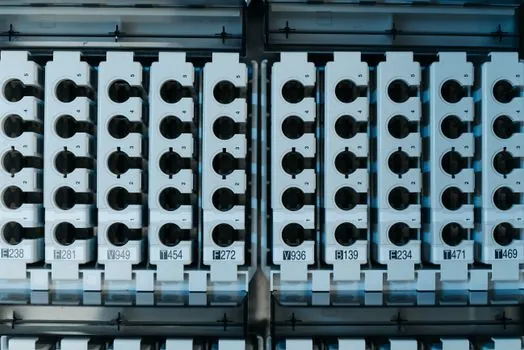
Use a coding machine for secondary packaging, rigid containers, flexible packaging, or other surfaces that can accept ink, thermal transfer ribbon, or a laser mark. Continuous inkjet is one of the variable-data methods listed for product identification, while thermal inkjet and laser systems appear in the broader coding portfolio [S2][S9].
Use a labeling machine for cartons, bottles, cases, pallets, and other products requiring a discrete applied identifier. A print-and-apply system can handle batch numbers, expiry dates, serial codes, barcodes, and logistics labels, with top, side, inverted, or multi-face application configurations [S4].
Digital printing is better suited to short runs, frequent artwork changes, and variable data, whereas analog printing remains efficient for very large, stable, high-volume runs [S6]. This distinction matters when deciding whether to generate labels on line, print them digitally, or complete pre-printed stock with variable information.
Integration and Print-and-Apply Architecture
The data path starts with the operating technology system, which generates unique information for the package and communicates with the labeling machine’s PLC [S1]. Variable data printing can incorporate consecutive numbering or differentiated barcode labels into personalized labels [S1].
An integrated print-and-apply line adds printing, application, diagnostics, and data connections rather than treating the printer as a standalone accessory [S4]. Its configuration should be defined using label size, package height variation, conveyor speed, available space, variable-data source, and application orientation [S4].
For high-speed or high-changeover production, specify more than print resolution. The system should define application position, code verification, rejected-label handling, production reporting, and interfaces to ERP, production orders, code-reading systems, or traceability software [S4]. The label registration accuracy on labeling machines guide is relevant when registration and placement tolerances affect acceptance.
Durability, Substrate, and Failure Constraints

Direct coding removes the label and applicator from the process, but the mark must survive the target substrate and downstream handling. Ink compatibility, printhead standoff, contact versus non-contact marking, and laser parameters become direct equipment-selection variables on porous cartons, metal, film, and other surfaces [S9].
Labeling adds a controlled print medium, but it introduces label stock, adhesive, web handling, tension control, registration, and applicator setup. A failed or misapplied label can reject a shipment, compromise traceability, or create recall exposure, so print-and-apply diagnostics and code-reading checks matter [S4].
Variable data also creates a data-integrity risk. The source must supply the intended value, the machine must preserve it through barcode or text conversion, and the finished package must be verified. Graphimecc describes its variable data printing machines as highly automated and designed and developed in-house since 1999 [S5].
Selection Procedure and Acceptance Tests
Begin with the required output: direct code, pre-printed label completed with variable data, or fully digital label. Then record substrate, marking dimensions, data fields, barcode or QR symbology, line speed, package dimensions, label size, application face, and required code-retention conditions [S1][S4].
For direct coding, test the intended ink, ribbon, or laser process against the real substrate. For labeling, qualify label dimensions, adhesive compatibility, web movement, registration, and application on every package format. Define how the system handles power loss, blocked printheads or applicators, unreadable codes, database disconnection, and rejected products before installation.
Acceptance should test more than output appearance. Include sequential data correctness, barcode or QR decoding, position measurement, variable-data-to-package matching, production reporting, and line-stop behavior. A coded system is the better answer when variable information is the only required output; a labeling system is the better answer when the identifier must also carry a standardized, changeable, or visually controlled label.
The next procurement decision is a documented comparison of the exact package surfaces, required data fields, line speed, and verification method. During supplier trials, demand production samples with intentionally changed serial numbers and verify each code against the master record.