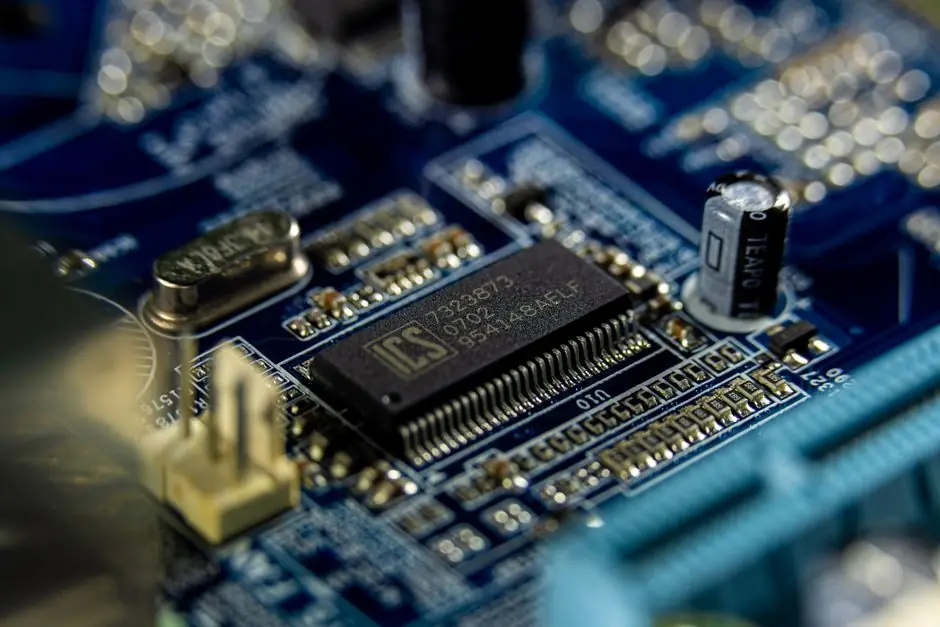
IPC-HERMES-9852 enables machine-to-machine communication for PCB assembly lines, while IPC-CFX (IPC-2591) provides a standardized vertical machine connection.
Used together, the standards separate board-level routing from production-event exchange, supporting per-board traceability, machine availability analysis, and mixed-vendor line integration.
Hermes and CFX divide SMT data into two layers
IPC-HERMES-9852 defines a communication protocol for handling board transfers and associated data in surface-mount assembly. The board receives an identification when it enters the line, and its ID and associated parameters move with it between machines [S3].
IPC-CFX operates at a different layer.
The combined architecture separates two concrete problems. Hermes answers which board is handed over and how adjacent equipment coordinates, while CFX answers what happened at the machine and factory level. Build Full Product Genealogy Across a Multi-Step Line extends the downstream value of that separation by turning process events into product-history records.
Board transfer data enables automated handoffs
A Hermes board record can carry the board ID, width, length, product type ID, and clearance height. These parameters allow equipment to adjust handling settings as the board moves through the line, rather than requiring a barcode scan before each processing step [S1].
Version 1.6 of IPC-HERMES-9852 is a 74-page specification published in July 2024 and designated as the global standard for machine-to-machine communication in SMT assembly [S3]. It supersedes Version 1.5 from November 2022 [S3].
CFX turns machine activity into factory-wide events
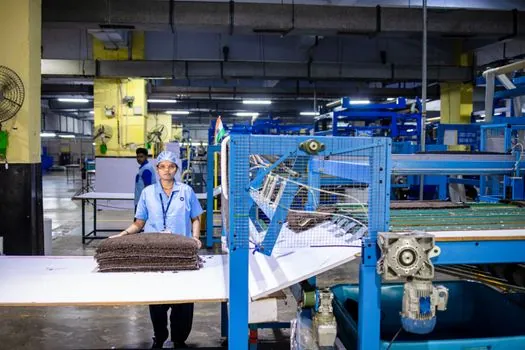
IPC-CFX, identified with IPC-2591, defines the vertical connection between SMT equipment and higher-level production systems [S2].
This matters for performance systems because machine cadence, downtime context, and production counts arrive through a standardized exchange rather than separate custom integrations.
SICK describes IPC-CFX (IPC-2591) as offering a standardized vertical machine connection.
Choose the standard by data scope and equipment age
The standards differ in scope rather than competing for the same function. Hermes covers horizontal machine-to-machine communication, while CFX covers connected-factory exchange between equipment and higher-level systems [S7].
Hermes is for line builders, integrators, and equipment manufacturers responsible for board movement and machine sequencing. CFX is for plant software, MES, OEE, and analytics teams that need standardized machine activity. Neither standard alone supplies the complete horizontal and vertical architecture.
Mixed-vendor lines need implementation checks
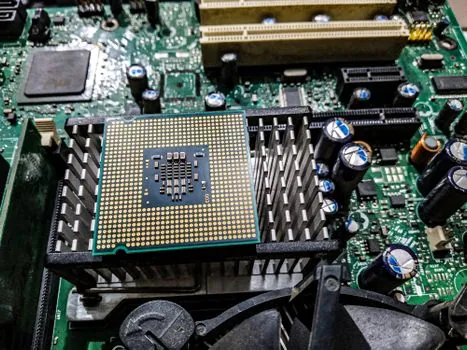
Hermes compatibility is not guaranteed simply because each machine exposes a Hermes interface. Siemens notes that machine portfolios contain different control architectures and software versions, so OEM implementations can still require adjustment during line integration [S1].
CFX coverage also varies.
Migration from the IPC-SMEMA interface is itself a project involving equipment manufacturers and line operators. Existing portfolios span multiple machine types, control systems, and software releases, making the transition more than a connector substitution [S2].
Retrofit paths extend the useful life of installed equipment
Legacy equipment can remain connected through dedicated conversion approaches. SICK describes a Hermes SMEMA Connect solution for integrating machines with a SMEMA interface into Hermes-compatible lines, including retrofit applications for existing machines [S2].
These gateways can provide a controlled migration path, but they do not create native data depth that the equipment cannot supply.
Factory data coverage stops at the SMT boundary
Hermes and CFX are strongest inside PCB assembly, where equipment can exchange board identities and standardized production events. The standards do not automatically cover box build, final assembly, manual inspection, or final test, where workflows can remain manual or use bespoke equipment [S5].
That boundary affects system design. An SMT-focused OEE platform can establish machine availability and per-board movement, but downstream genealogy and end-of-line quality analysis may require additional data acquisition. The design should therefore identify which process steps need machine-native events, which require board scanning, and which remain outside CFX coverage [S5].
IPC standards are voluntary unless a contract requires otherwise. The IPC-HERMES-9852 specification states that revision use in an existing supplier relationship is not automatic unless required by the contract, while recommending use of the published revision [S3].
Validate the data contract before line rollout
A practical acceptance test should verify three layers: physical handover through Hermes, event publication through CFX, and consumption by the plant-level MES or OEE system. For Hermes, test board ID continuity, parameter transfer, readiness sequencing, and recovery from an interrupted handoff. For CFX, inventory the published message subset on every machine before building dashboards or automated workflows [S1][S5].
Two trackable signals will determine whether the integration is production-ready: the percentage of line equipment with validated native interfaces, and the percentage of required CFX event classes available at each production step. These checks prevent a nominally connected line from becoming a line that supports only coarse status and loses board-level or fault context.