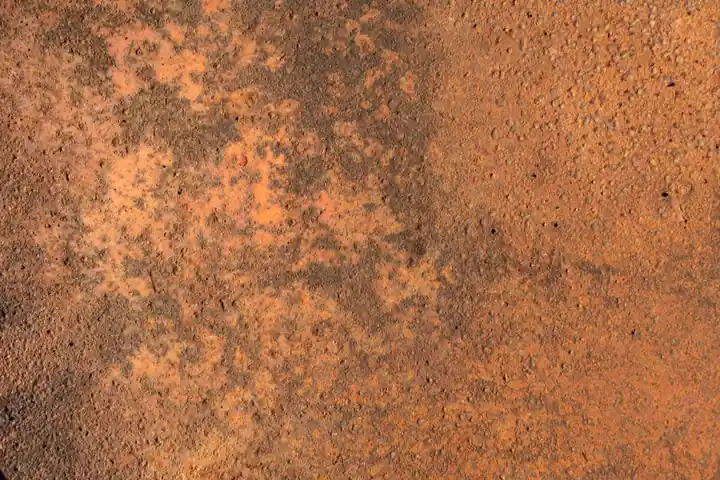
Epoxy coatings are typically specified for corrosion protection because they form a rigid, strongly bonded barrier, while polyurethane topcoats add flexibility, UV stability, abrasion resistance, and improved appearance.
The practical choice is usually system-level: epoxy primer and intermediate coats for steel protection, followed by a compatible polyurethane topcoat where sunlight, wear, cleaning, or color retention matters.
Epoxy and polyurethane perform different jobs
Epoxy coatings and polyurethane coatings are compared across performance differences, including chemical exposure, impact, flexibility, cure time, and real-world performance in industrial environments. Unprotected epoxy can yellow and chalk under sunlight, although the underlying film may remain protective [S5].
Polyurethane is normally the exterior finish. It supplies flexible abrasion resistance, cleanability, color retention, and gloss, but its performance as a corrosion-resistant foundation depends on the primer or existing coating [S5]. For exposed steel, specifying industrial coating as a complete system is more defensible than comparing resin families in isolation.
Decision criteria for exposed steel
Epoxy is usually selected for adhesion, corrosion protection, barrier performance, and immersion resistance, while polyurethane is usually selected as an exterior finish for UV resistance, color retention, gloss, and abrasion resistance.
The comparison values are product or formulation examples rather than universal guarantees, with epoxy's rigidity suited to heavy-load, high-traffic, and concrete-bonding applications and polyurethane's flexibility suited to applications requiring flexibility.
Where epoxy is the correct choice
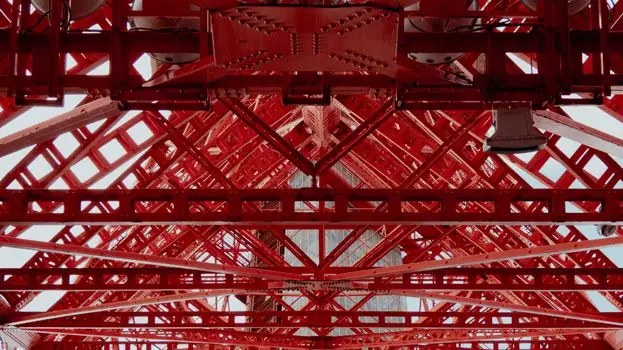
Use epoxy for structural steel, storage tanks, containment areas, process equipment, and immersed steel where corrosion resistance and adhesion are primary requirements. Epoxy coatings are used as primers, intermediate coats, barrier coats, and tank linings, with specialized epoxy systems used for immersion service.
Epoxy can also serve as a barrier beneath a compatible polyurethane topcoat. This preserves the epoxy's bond and chemical protection while adding an exterior layer that handles sunlight, abrasion, and cleaning. The primer, intermediate coat and topcoat functions differ, so each layer should have a defined purpose rather than being duplicated for convenience.
Polyurethane alone is not the default answer for buried, immersed, or chemically aggressive steel. Standard polyurethane topcoats are generally not selected for permanent immersion, while specialized epoxy systems are commonly used for ballast, cargo, potable-water, and industrial tank linings when approved [S5].
Where polyurethane topcoat earns its place
Polyurethane is usually selected as the exterior finish for UV resistance, color retention, gloss, and abrasion resistance. Aliphatic polyurethane is the preferred chemistry when color and gloss retention are required; aromatic polyurethane remains more susceptible to discoloration [S1].
It does not eliminate the need for an epoxy primer, because a flexible topcoat cannot repair contaminated steel, a deficient bond, or an incompatible underlying film.
For steel with severe wear, a specialist polyurethane-elastomer or other engineered topcoat may be warranted, but the barrier system beneath it still determines corrosion performance. For continuous abrasion, hard surfacing may outlast either conventional coating family [S1].
Application limits and failure controls
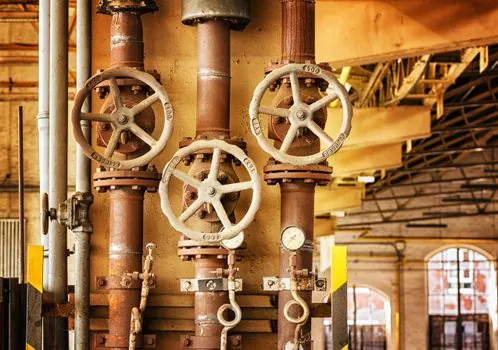
Surface preparation is the largest controllable risk: preparation problems are commonly cited as contributing to 60–90% of coating failures through AMPP's CoatingsPro [S1]. Remove contamination, corrosion, loose scale, and unsound coating, then prepare steel to the coating manufacturer's stated requirement before mixing multi-component products.
Jobsite humidity is one of the factors used to choose between epoxy and polyurethane.
Unprotected epoxy can chalk in sunlight, while polyurethane normally supports rather than replaces the primer system. For many hull, deck, and superstructure projects, the coating system uses an epoxy primer or intermediate coat followed by a compatible polyurethane topcoat, with epoxy providing adhesion and corrosion protection and polyurethane providing the exterior finish.
Specification and sourcing requirements
A steel coating specification should state substrate preparation, coating manufacturer, product name or grade, generic type, dry-film thickness per coat, number of coats, total dry-film thickness, surface profile, application conditions, cure schedule, compatibility, immersion approval, chemical exposure list, and test requirements. Product approval for the actual immersion or chemical service is mandatory. [S4]
For adhesion verification, specify the coating manufacturer's pull-off test rather than treating cross-hatch adhesion as interchangeable with bond-strength testing. The cross-hatch versus pull-off coating adhesion testing comparison is relevant when project documents mix those methods.
Also state whether the finish is aromatic or aliphatic polyurethane. Aromatic grades may discolor, while aliphatic grades are intended for exterior color and gloss retention [S1]. Avoid generic requests for “epoxy primer” or “polyurethane topcoat” without a product or performance basis, because one chemistry name does not define adhesion, thickness, chemical compatibility, or immersion suitability [S2][S5].
Before purchase, require the supplier to confirm compatibility between the epoxy primer or intermediate coat and polyurethane topcoat, verify the documented dry-film thickness range, and match cure limits to the installation environment. For exposed steel, the defensible default is an epoxy corrosion-protection system with a compatible polyurethane topcoat; for chemical or immersed service, retain epoxy as the controlling layer and validate the complete system for that duty [S2][S5].