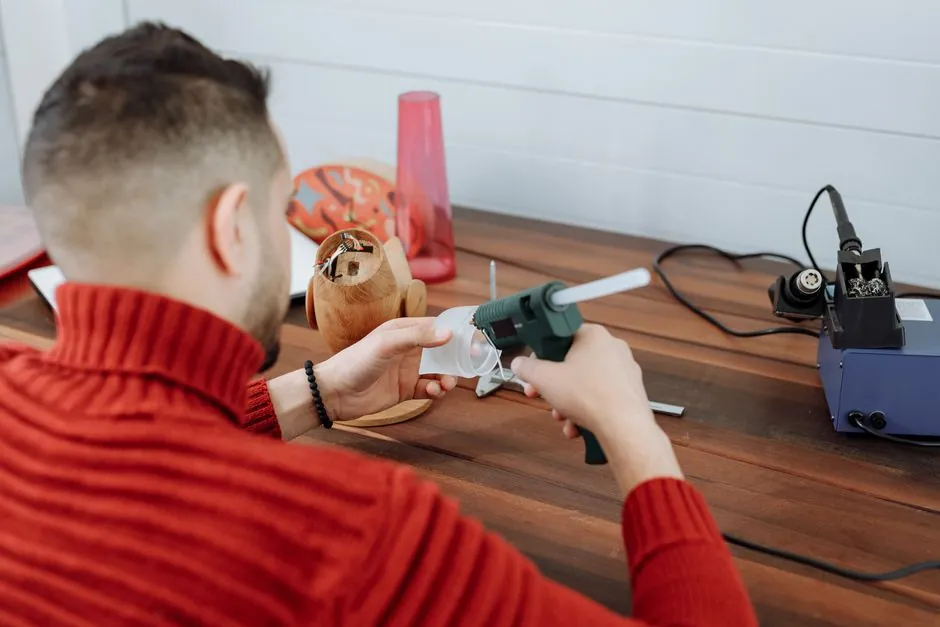
Epoxy and MMA structural adhesives can achieve lap shear strength above 20 MPa [S1].
The practical choice for plastics depends on substrate grade, cure cycle, surface preparation, load mode, and service exposure, not adhesive strength alone [S1][S2].
Decision thresholds for plastic bonding
Use MMA as the default for ABS, PVC, fiberglass, and certain low-surface-energy plastics when rapid cure and limited preparation are more important than maximum heat or chemical resistance [S2].
Use epoxy when the joint needs the highest load capacity, chemical resistance, or elevated-temperature stability, provided that abrasion, cleaning, mixing, and cure time are controlled [S1]. MMAs generally cure faster and tolerate contamination better, while epoxies usually require more intensive surface preparation [S1][S2].
A practical qualification sequence is to identify the plastic grade, test the proposed surface preparation, screen adhesion, then perform cure, shear, environmental, and assembly-level tests. Generic performance claims do not establish compatibility with every ABS, PVC, polycarbonate, nylon, or low-surface-energy grade [S2][S3].
Strength, cure time, and surface preparation
Both epoxy and MMA structural adhesives can achieve lap shear strength above 20 MPa [S1]. Epoxy generally provides higher tensile and shear strength because its highly crosslinked network carries static loads efficiently, but its elongation is usually lower and it can be more brittle [S2][S4].
MMA cures through free-radical polymerization, whereas a conventional two-part epoxy cures by reaction between epoxy resin and an amine or other curing agent [S1][S4]. MMAs are typically selected for shorter fixture and cure times, while high-strength epoxies may require substantially longer cure periods [S1].
Surface preparation separates the two chemistries more sharply. Epoxy commonly needs abrasion, cleaning, or a primer to achieve its high bond strength, while MMA requires little preparation and can bond through some oil or contamination [S1][S2]. Even with MMA, wiping the joint clean remains prudent, because contamination tolerance does not make an unclean surface a controlled process [S1].
Comparison of epoxy and MMA on plastics

Epoxy adhesives are best known for their great tensile and shear strength [S2]. On cure speed and production throughput, MMA wins because it generally has a shorter cure and less demanding fixture cycle [S1][S3].
On plastic adhesion, MMA is often stronger on ABS, PVC, fiberglass, and some low-surface-energy substrates, but the exact grade and contamination condition still require testing [S2]. Epoxy adhesives have high heat resistance and chemical resistance [S2].
On flexibility and impact, MMA is usually the better fit because it offers greater flexibility, elongation, toughness, and energy absorption [S2][S4]. Epoxy is preferable for rigid, dimensionally stable, load-bearing assemblies where chemical resistance and low creep matter more than rapid production [S2][S4].
Applications suited to each adhesive
MMA fits fast-moving assembly operations involving plastic housings, composite panels, display components, and mixed-material assemblies where fixture time limits output [S3]. Its short cure and reduced preparation burden can simplify line balancing, while its toughness is valuable under vibration and impact loading [S3].
Epoxy fits rigid structural frames, chemical-exposed assemblies, and elevated-temperature components where the added cure time and surface preparation are acceptable [S1][S2]. It is also the stronger candidate for aluminum interfaces, where epoxies generally offer higher tensile and shear strength, although aluminum oxide and the bonded joint still require controlled preparation [S4].
The industrial adhesive selection guide should be used with application-specific coupons, not as a substitute for testing. A useful comparison must include the actual plastic grade, surface treatment, adhesive thickness, mix ratio, cure cycle, and service temperature rather than comparing catalog tensile values [S1][S3].
Limits, failure modes, and mixed-material joints
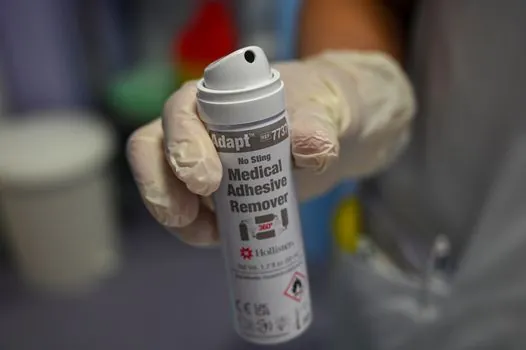
Three failure modes drive selection. Poor adhesion usually indicates inadequate preparation, contamination, an unsupported plastic grade, or mixing outside the permitted ratio. Cohesive cracking may result from an overly rigid epoxy, excessive bond thickness, or cure conditions that leave the adhesive under-cured [S1][S4].
Thermal mismatch can impose peel stress because adhesives distribute loads across a joint while metals and plastics expand at different rates [S3]. Mixed-material designs also require attention to galvanic corrosion, heat distortion, and added mass [S3]. Neither chemistry eliminates those assembly-level concerns.
MMA carries a flammability and handling qualification because methyl methacrylate chemistry is volatile and may require controlled ventilation, while exothermic epoxy curing can also generate heat [S1][S4]. The industrial chemical reagent context is relevant where uncured components contain hazardous resin constituents, but product safety data and site controls must govern handling rather than general adhesive-family guidance.
Specification and qualification controls
Specify the adhesive chemistry, exact plastic grade, surface preparation, mix ratio, cure temperature, cure time, joint geometry, and test method. Both adhesive families are normally supplied as two-part systems, while one-component epoxies are also available, so cure equipment must match the selected format [S1].
For structural screening, record lap-shear strength in MPa, percent elongation, cure time, operating temperature, chemical exposure, and preparation time. Demand comparative coupons from the same plastic, including oil contamination for an MMA case and abrasion or priming for the epoxy case [S1][S2].
For production release, verify fixture strength and full cure separately because a handling cure does not establish full structural properties [S1]. For mixed-material assemblies, add peel, thermal cycling, vibration, and relevant chemical exposure. This sequence connects material selection with the broader industrial coating decision only where a primer or surface treatment is part of the qualified adhesive system.
Run initial lap-shear coupons from the exact plastic grades, then repeat them after cure aging and environmental exposure. Use one factory-controlled preparation route for every test arm, and approve the adhesive only after the production mix ratio, cure cycle, and joint geometry reproduce the intended performance [S1][S2].