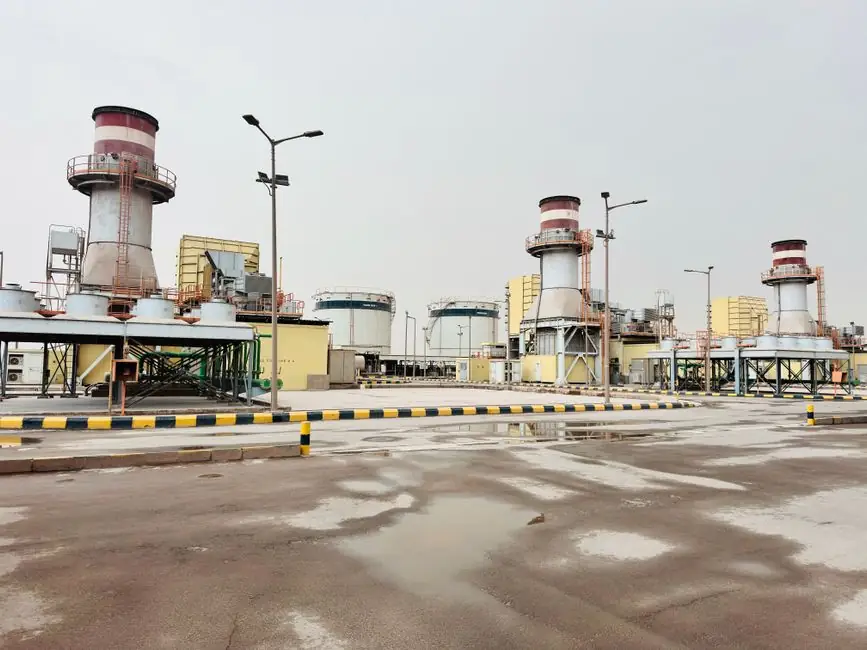
Ex tb cable glands for Zone 21 are dust-ignition-protected by enclosure, certified to IEC 60079-31, and must reach IP6X dust-tight performance to keep combustible dust out of the associated enclosure [S1][S4][S8].
The full Ex marking string for a Zone 21 gland is typically II 2D Ex tb IIIC Db, where II is surface industry, 2 is ATEX Category 2, D is dust, IIIC is conductive dust group, and Db is the Equipment Protection Level (EPL) for Zone 21 [S1][S4]. Conductive metal dusts (IIIC) demand the most aggressive sealing; IIIA (fibers and flyings) and IIIB (non-conductive dust) sit below it on the same group ladder [S4].
What Ex tb Actually Means in a Zone 21 Specification
Ex tb is the dust-specific protection type under the IEC 60079-31 framework, distinct from Ex d (flameproof for gas) and Ex e (increased safety for gas) [S1][S4]. The enclosure concept treats the gland and its mating bulkhead as a single dust-ignition-protected assembly, which is why the IP6X requirement is non-negotiable for any Zone 20/21/22 installation [S8].
Zone 21 itself is defined as a place where a combustible dust cloud is likely to occur in normal operation occasionally, sitting between Zone 20 (continuous) and Zone 22 (rare/short duration) on the IEC 60079-10-2 area classification scale [S2][S4]. A correctly marked Ex tb IIIC Db gland can also be used in Zone 22 and is acceptable for Zone 20 when installed in the same enclosure as the dust source it protects [S4][S6].
Decision Criteria: tb vs ta vs tc for the Same Zone
For dust zones, the IEC 60079-31 suite offers three EPLs that map directly to the zone: Ex ta for Zone 20 (EPL Da), Ex tb for Zone 21 (EPL Db), and Ex tc for Zone 22 (EPL Dc) [S4]. The table below shows how the main options line up on the criteria a process engineer actually weighs at the spec desk.
Compared side by side, Ex ta is over-specified for Zone 21 and drives unnecessary cost, while Ex tc under-specifies and is not legal for Zone 21 dust clouds present in normal operation; Ex tb is the engineering fit for Zone 21, provided the gland body is rated IP6X and carries the IIIC group for metal dusts [S4][S8]. Temperature class on the gland marking is read off the dust layer and dust cloud limits, not the gas T-class table, so a T200°C or T150°C surface limit is the figure inspectors will check [S4].
Material, Thread, and IP Realities for Zone 21 Installations
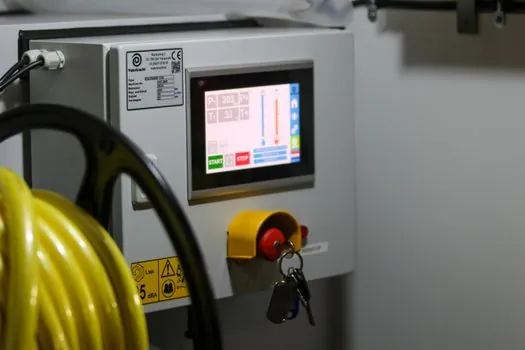
Common body materials for Ex tb glands are nickel-plated brass, stainless steel (A2 / A4 grades), and engineering plastic for lighter-duty enclosures, with stainless preferred for pharmaceutical, food, and offshore salt-spray exposure [S5][S9]. Thread options per IEC 62444 and IEC 60423 are metric (M) as the European default, with NPT and PG still found on retrofit North American skids [S4][S5].
Ingress performance is the dominant field-failure mode, not explosion containment. IP6X dust-tight is mandatory; IP66/IP68 (submersible to manufacturer-stated depth and duration) is the typical Sealcon EXIOS A2F offering with dual inner/outer jacket seals, and NEMA 4X and 6P equivalents are also commonly claimed for the same product [S5]. For armoured cable, the gland must also provide earth continuity through the armour braid so that fault currents have a defined path, and the elastomer or gel dust seal must sit on the outer sheath to keep dust off the armour termination [S5][S8].
Comparison Table: Ex tb Gland vs Ex d Gland vs Ex e Gland in a Zone 21 Context
The three protection types are not interchangeable on a Zone 21 job. The comparison lines them up on the four criteria that drive the spec: protection concept, typical IP, allowed zones, and where the gland is normally used. [S1]
Ex tb is the dust-by-enclosure solution with IP6X as the headline figure, valid for Zone 21/22 (and Zone 20 inside the source enclosure), and it is the default gland on dust-handling equipment such as grain elevators, wood mills, and battery-cell mixers [S4][S8]. Ex d (IEC 60079-1) is flameproof, holds an internal explosion, and is normally used for Zone 1/2 gas; on a Zone 21 dust-only site it is over-specified unless the same enclosure also sits in a gas zone [S1][S4]. Ex e (IEC 60079-7) is increased safety, sparks- and arcs-free by construction, and is usually paired with Ex tb terminations on Zone 21 hybrid cabinets where both gas and dust zoning overlap [S1][S4][S5]. On a hybrid skid carrying a II 2GD marking, a combined Ex db / Ex eb / Ex tb gland body is the common single-part solution, avoiding adaptor stacks that introduce extra failure points [S4].
Installation and Inspection Constraints Specific to Dust
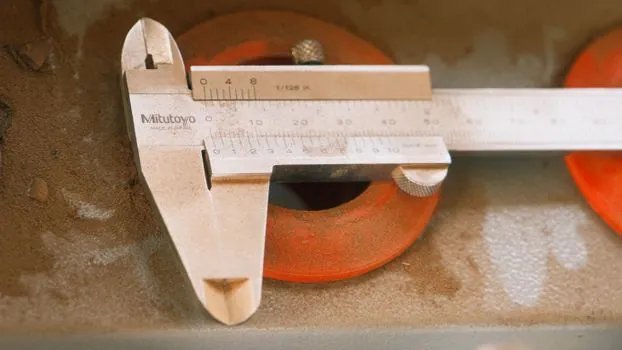
Dust installations fail differently from gas installations. The dominant degradation mode is dust ingress through the seal face after thermal cycling, not gas migration, and the inspection regime under IEC 60079-17 should treat the seal face and the armour earthing contact as the two scheduled visual-check items [S4][S8]. A gland that passes a gas leak check can still fail an IP6X dust test once the elastomer has hardened, which is why spec sheets for Ex tb glands carry a stated ambient range (commonly -40°C to +100°C for the seal) and a separate dust surface temperature marking [S4].
For conductive metal dusts (IIIC), the gland must additionally prevent the build-up of a conductive layer across the insulating seal, which is why antistatic or metallic-bodied glands are preferred where aluminium, magnesium, or grain elevator fines are present [S4][S9]. Cables entering the gland should be certified circular types with consistent outside diameter tolerance per IEC 62444, and the torque on the compression nut should be set to the manufacturer's value rather than estimated, because under-torque is the most common cause of an IP6X failure six months after commissioning [S4][S5].
Standards Stack Behind the Marking
Every Ex tb gland for Zone 21 sits on the same standards pyramid. ATEX Directive 2014/34/EU governs the EU market and defines the II 2D category; IECEx is the international equivalent accepted in most non-EU regions; the NEC/CEC Class/Div system covers North America and does not use the Ex tb label but converges on the same IP6X dust-tight outcome for Class II [S1][S4]. The supporting IEC standards are 60079-0 (general requirements), 60079-31 (dust by enclosure, the tb standard), 60079-10-2 (zone classification for dust), 60079-14 (installation design), 60079-17 (inspection), 62444 (metric gland design), and 60423 (conduit and thread dimensions) [S4].
RoHS compliance under EU Directive 2011/65/EU is also a baseline requirement for glands sold into the EU electrical and electronic equipment market, separate from the Ex conformity, and a missing RoHS file is a common customs hold at the EU border [S4]. For armoured glands, an EMC / EMI-RFI variant is offered by several manufacturers for instrumentation cables on drives and VFD-fed motors, where the gland body provides 360° screening termination [S5].
Where Ex tb Fits and Where It Does Not
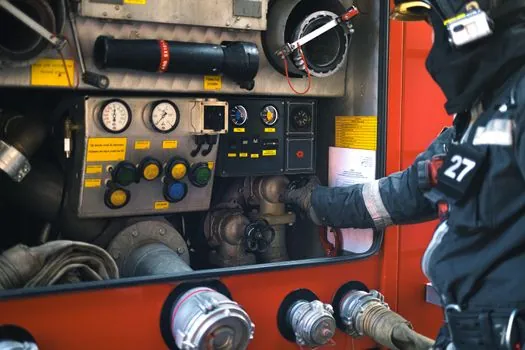
Ex tb is the right call for Zone 21 dust-handling equipment (grain silos, flour mills, wood chip conveyors, sugar processing, aluminium powder transfer, pharmaceutical powder mixers, battery electrode coating lines), and for the Zone 21 side of any hybrid II 2GD cabinet [S1][S2][S6]. It is not the right call for a Zone 0/1 gas-only enclosure (use Ex d or Ex e instead), and it is not a substitute for an Ex ta (Zone 20, EPL Da) gland on equipment where a dust cloud is continuously present at the cable entry face [S4][S8].
On a real procurement decision, the two live data points to verify on the vendor datasheet are the exact string II 2D Ex tb IIIC Db (or the IECEx equivalent) and an IP6X test result from a notified body certificate number traceable to IEC 60529; without both, the gland should not be installed in Zone 21, regardless of price or lead time [S1][S4]. For control-station enclosures on the same skid, the same logic extends to the Ex de GRP control stations that house the field terminations, where the gland-to-enclosure interface is the same Ex tb / IP6X pair and is the most common audit finding during a CE marking review of a complete machine [S4].
Two signals to watch over the next quarter are any notified-body update to the IEC 60079-31 dust test sequence (long-term dust penetration with thermal cycling is the area where test methods have tightened most in recent revisions) and any new IIIC conductive-dust test requirement landing in vendor datasheets, since conductive metal dust is where Ex tb gland selection errors most often become incident reports rather than paperwork findings [S4][S8].
Component reference pages worth checking: cable gland, combustible gas detector, and gland packing.