Ex nR restricted-breathing enclosures rely on a tight enclosure-to-cable-gland interface: the standard EN IEC 60079-15:2019 requires that equipment be supplied with entry devices installed, or with explicit installation instructions, and that every gland comply with IEC 60079-0 [S5].
The protection concept differs from Ex d flameproof: Ex nR limits flammable gas ingress into the enclosure so the internal atmosphere cannot reach the explosive lower flammable limit (LFL) during normal operation, making gland selection a sealing-integrity problem rather than a flame-transmission problem [S2][S5].
Why Ex nR is a Zone 2-only concept, and what the gland must do
Ex nR is defined in EN IEC 60079-15:2019 as an enclosure "designed to restrict the entry of gases, vapours and mists," and is intended for Group II explosive gas atmospheres in Zone 2, where an explosive atmosphere is not expected during normal operation [S5]. Because the enclosure is never expected to contain a flammable mixture internally, the cable entry does not have to stop a flame front; it has to limit leakage well enough that the enclosure interior stays below the LFL across the equipment's full thermal cycle [S2][S3].
That thermal-cycle duty is the engineering reason nR glands are specified tighter than generic industrial cable glands. Internal pressure swings from heating (sun-load, dissipation) and cooling (night, rain) pump air in and out through every joint, so the gland-to-enclosure seal, the gland-to-cable outer sheath seal, and any unused entry must all be addressed together [S2][S3].
What the standards actually require at the gland interface
EN IEC 60079-15:2019, via its table mapping to IEC 60079-0, mandates that cable entries on Ex nR equipment "must either come with entry devices already installed or include clear instructions for selecting and installing cable glands and conduit sealing devices," and that "all glands must comply with IEC 60079-0" [S5]. Integral (factory-mounted) glands are type-tested as part of the enclosure; user-selected glands fall on the certifier's installation instructions.
IEC 60079-0 governs the entry thread, sealing washer, torque, and the IP/impact retention requirements. EN 62444 retention and impact testing applies to the gland body itself and is referenced in many nR certifier dossiers [S5]. The EN 62444 cable gland retention and impact test requirements breakdown is the relevant reference for the mechanical side of that compliance chain.
Which gland type is correct, and which is the wrong default
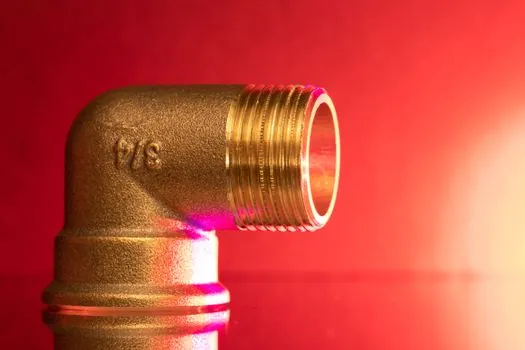
R. Stahl's IIoT application note recommends a standard Ex e cable gland for Ex nR enclosures, not a barrier (compound-filled) gland [S4]. This is the opposite of the Ex d default, where IEC 60079-14 has, since the 2013 edition, formalised barrier-gland selection for most cable constructions on flameproof enclosures [S1].
Quick comparison at the gland-to-enclosure interface:
Ex e compression gland (typical nR choice): sealing achieved by elastomeric compression on the cable outer sheath; maintains the enclosure's restricted-breathing seal when correctly torqued and used with the certifier-supplied sealing washer; no setting compound required [S4][S5].
Ex d barrier gland: setting compound (epoxy or Quick-Stop resin) blocks gas migration through cable interstices, a flame-transmission control; required for Ex d on most cable types, but adds cost, taller gland body, and compound-mix skill that nR does not demand [S1][S9].
Industrial (non-Ex) compression gland: not acceptable; the elastomer/thread combination has not been verified to IEC 60079-0 sealing, impact, and thermal-endurance criteria, so it breaks the nR dossier [S5].
Seal verification: thermal cycling, IP, and pull-out
CMP Products' technical guidance for nR specifies that the enclosure "must be tightly sealed and gasketed such that it is prevented from breathing normally," and that the nR gland must be selected and installed to maintain that restricted-breathing condition at the gland interface [S3]. Cobic-ex's 2024 protection-method note lists the minimum mechanical tests an Ex n cable gland must pass, including thermal endurance testing and cable pull-out resistance under IEC 60079-0 [S7].
The standard EN IEC 60079-15:2019 also caps internal power dissipation: if sparking devices or surfaces with frequent temperature cycles are present, the internal temperature must not exceed ambient by more than 20 K during normal operation, so the gland elastomer must stay inside its rated temperature class (commonly T6 at 85 °C or T5 at 100 °C for the seal) [S5]. This is why spec sheets tie gland temperature class to enclosure dissipation, not just ambient.
Who should, and who should not, use Ex nR
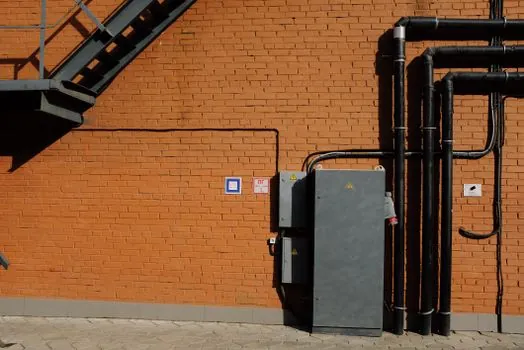
Ex nR is a fit for Zone 2 indoor/outdoor equipment where the enclosure can be kept reasonably tight, the internal heat rise is bounded, and the application does not need the heavier mechanical and flame-transmission guarantees of Ex d: IIoT gateways, instrumentation analysers, junction boxes, and certain control stations in chemical, refinery, and pharmaceutical Zone 2 areas [S2][S4].
It is not a fit for Zone 1 (where Ex d, Ex e, or Ex i apply), for enclosures with high internal heat rise that would push elastomers past their temperature class, or where routine operator actions open the enclosure in a contaminated area: each open/close cycle re-risks the nR seal [S2][S5]. Specifiers in mining (Group I) also fall outside the nR scope, which is Group II only [S5].
Field practice: what the installer actually checks
JCE Group's testing overview notes that glands used with Ex nR enclosures must be certified to ensure they maintain the restrictive properties necessary to keep gas ingress below the LFL, with type-test verification at the interface, not just on the gland in isolation [S6]. PMV's barrier-gland practice guide for hazardous areas also points to AS/NZS-aligned guidance that a standard Ex e gland is appropriate for nR, while a barrier gland is the additional safeguard chosen where the cable construction or zoning demands it [S9].
On the bench, an Ex nR interface check typically covers: thread engagement and the certifier-supplied sealing washer seated on a clean, undamaged enclosure face; torque to the certifier's value (commonly with a calibrated torque wrench); the elastomer temperature class verified against the enclosure's marked dissipation; cable outer sheath within the gland's specified diameter range so the seal actually compresses; and any unused entries fitted with certified stopping plugs torqued to the same standard [S2][S3][S5]. A common failure mode is the installer substituting a standard industrial gland with a similar thread but no Ex e certification: the enclosure still "looks" sealed, but the nR dossier is broken.
Limits, failure modes, and recurring spec errors

The recurring failure modes at the nR gland interface are: elastomer temperature class below the actual internal surface temperature; missing or reused sealing washers that leave a flat-surface leak path; over- or under-torqued back-nuts that either crush the cable sheath or under-compress the seal; mixed entry devices from different certifications on the same enclosure face; and stopping plugs left out of unused entries [S2][S3][S5]. Each one is, in field experience, the difference between a passing nR type test and a re-test.
The other constraint is the 20 K internal-rise rule for sparking or cyclically heated enclosures: exceeding it does not just overheat the seal, it invalidates the nR assessment entirely, and the equipment has to be re-dossiered under a different protection type (typically Ex e or Ex d) [S5]. For comparison, Ex d and Ex e enclosure options are documented for the same Zone, but each carries its own gland discipline, which is one reason Ex de GRP control stations are a common alternative for Zone 1 builds where a single enclosure must host both protection methods.
The next practical signal to track is EN IEC 60079-15 maintenance work: any clause change to the entry/integral-gland wording or to the 20 K dissipation limit will move the nR gland spec directly, so certifier technical bulletins (notably the ExTL and IECEx TCs for 60079-15) are the working reference. Watch also for updates to IEC 60079-0 entry rules, since the EN IEC 60079-15:2019 mapping table re-points to whatever IEC 60079-0 revision is current at the time of certification [S5].
Spec-level background on the components involved: gland packing, and cable tray.