A confined-space-rated face shield must combine chin-cup or wrap-around geometry (~26 x 34 cm shield drop), ~0.3 mm clear polycarbonate, foam-padded headband, and verified compatibility with half-mask or SCBA respirators, per the AMSP disposable shield datasheet published 2026-08-01 [S3].
Selection differs sharply from open-bench PPE: low oxygen, vapor, splash, and particulate hazards all coexist, and a shield that passes ANSI Z87.1 high-mass/impact testing still fails if it fouls a respirator exhalation valve or a hard-hat brim.
What "confined space" changes in the spec
OSHA 29 CFR 1910.146 treats permit-required confined spaces as spaces with limited entry/exit, hazardous atmosphere risk, or engulfment potential, and the attendant must control entry per the written program [S1, S3]. A face shield is layered on top of respiratory protection, never a substitute for it, so the shield's first job is to extend coverage from the brow down past the chin and around the jawline without disrupting the respirator seal [S3].
AMSP's 2026-08-01 listed full-face disposable shield measures roughly 26 x 34 cm (width x height from headband down), uses clear polycarbonate at approximately 0.3 mm thickness, adds anti-fog treatment on the interior and anti-glare coating on the exterior, and uses a 3 cm-wide headband with a 25 cm foam-padded front section [S3]. That geometry covers the respirator cartridge housing on most half-masks, which is the most common failure point when generic lab shields are substituted into permit spaces.
Visor material and thickness gates
Polycarbonate dominates because of its impact-to-weight ratio, with ~0.3 mm as the working minimum for single-use disposable shields and 1.0–2.0 mm typical for reusable industrial shields [S3]. ANSI Z87.1 marks the basic U.S. eye-and-face protection standard; the shield must carry the Z87+ marking for high-impact rating when a falling-object hazard exists, which is common in vessel and tank work.
Anti-fog coating is not optional in a confined space: warm exhaled breath saturates the inside surface, and a fogged shield inside a chemical vapor or low-visibility atmosphere has caused documented entry-withdrawal incidents. The AMSP spec lists both interior anti-fog and exterior anti-glare as separate coatings rather than a single surface treatment, which matters for decontamination because alcohol wipes will strip some anti-fog films and re-fogging begins within minutes [S3].
Headband, suspension, and respirator interface

Foam padding across the brow reduces pressure points during extended entries and absorbs sweat; the 25 cm foam run on the AMSP disposable runs roughly the full front of the headband, which keeps the shield from rocking on a respirator harness strap [S3]. A ratcheting or adjustable length headband is the second must-have because a permit entry can last 30 minutes to several hours and the attendant needs to swap entrants without re-tooling the headgear.
Fit sequence inside a permit space is fixed: hard hat or bump cap first, then respirator facepiece, then face shield last, so the shield's rear strap or headband sits behind the respirator head harness and never crosses the silicone seal. The shield should clear the respirator exhalation valve cover by at least one finger width; shields with integrated chin cups work better here because the cup physically prevents the visor from being sucked inward during hard breathing, which otherwise breaks the anti-fog layer and pulls the visor against the nose cup.
Comparison of common shield types against confined-space criteria
Four shield architectures show up in permit-entry kits: disposable full-face (~0.3 mm PC, foam headband), reusable industrial (~1.0–2.0 mm PC, ratchet headband), welding auto-darkening (variable shade 9–13, typically heavier at ~2.0 mm polycarbonate or glass composite), and faceshield-to-hardhat bracket (slot-mounted, sold separately). Against four decision criteria, the disposable type wins on single-use decon and cost, the reusable type wins on impact rating and chemical compatibility, the welding type is a no-go unless hot work is in the permit, and the bracket-mount type only fits if the hard hat model matches [S3].
A practical shortlist for a permit-required confined-space kit, in priority order: (1) reusable Z87+ polycarbonate shield with ratchet headband for routine entries, (2) disposable anti-fog full-face shield as backup for gross-contamination or decon-laundering cycles, (3) chin-cup extension if the space contains splash from overhead piping, (4) chemical-resistant face shield (coated PC or acetate) if organic solvents are on the SDS. Pairing any of these with a pressure transmitter on the entrant's belt completes the atmospheric monitoring leg of the entry, since a face shield does not measure gas concentration.
Failure modes and limits inside the permit space

The most common in-service failure is anti-fog coating loss after 2–4 wipe-downs with isopropyl alcohol, which collapses usable shift time once vapor load rises. Second is visor flex inward during heavy breathing, which happens on thin ~0.3 mm shields without a chin cup and pulls the visor against the respirator nose cup, breaking the Z87+ geometry [S3]. Third is chemical attack: standard polycarbonate crazes on exposure to ketones, esters, and some aromatic solvents; an acetate or coated-PC shield should be substituted when those chemical families are on the SDS.
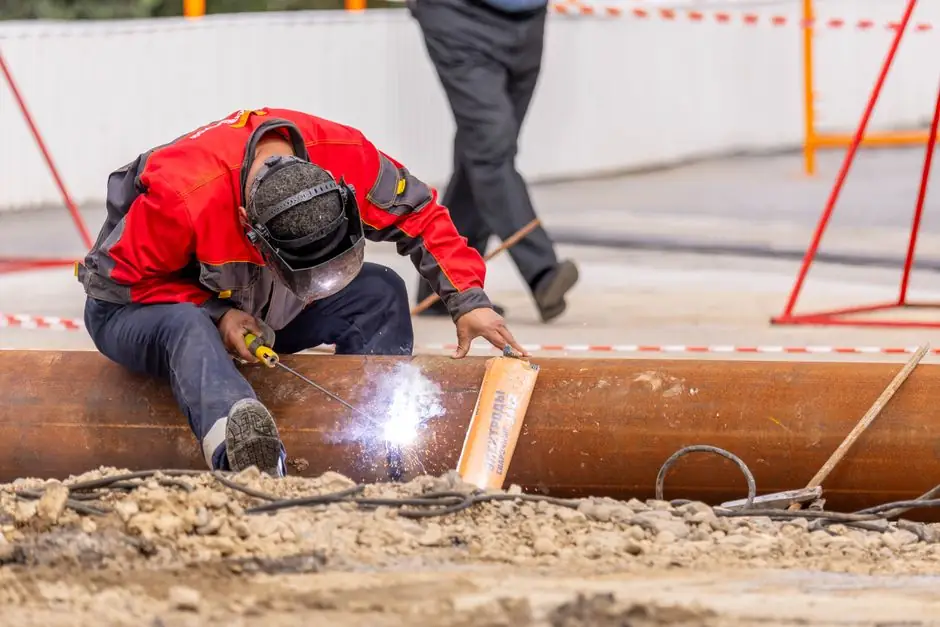
For hot-work permits the shield changes category entirely: an auto-darkening welding shield with shade 9–13 and EN 175 / ANSI Z87.1 welding rating replaces the chemical-splash shield, and the respirator underneath must be a powered air-purifying respirator (PAPR) because a half-mask cannot seal against the welding headgear's forehead pressure. For laboratories and bench-scale work the same anti-fog coated PC geometry applies but the decon cycle is shorter; cross-reference the laboratory spec map at face shield selection for laboratories: visor, headband, and sterilization gates for the cleanroom-side detail. For hot-work permits the welding shade and current-rating ladder sits at face shield selection for welding: 2026 spec and shade map.
Decontamination, reuse, and storage
Disposable ~0.3 mm shields are rated for single shift; AMSP's spec lists them as single-use disposable with no reuse cycle [S3]. Reusable shields survive mild soap-and-water or quaternary ammonium wipe decon; sodium hypochlorite above 1000 ppm will yellow polycarbonate over time, so bleach wipes are not the default.
Storage drives service life: visors stored flat under PPE shelf clamps will warp over weeks, and warped visors lose Z87+ optical clarity. Hang by headband on a rack, away from direct sunlight and solvent vapors; a flow meter on the entry supervisor's atmospheric monitor panel rounds out the attendant's instrument stack, but does not change the shield spec itself.
Checklist before signing the entry permit

Confirm four things before the entrant signs in: (1) Z87+ marking stamped on the visor, (2) anti-fog coating intact and unscratched, (3) headband pivots freely and locks at the chosen size, (4) shield clears the respirator exhalation valve by a finger width and does not contact the nose cup. The AMSP disposable spec (clear PC, ~0.3 mm, 26 x 34 cm, 3 cm headband, 25 cm foam, anti-fog + anti-glare, single-use) covers items 1–4 for routine non-chemical entries [S3].
Replace the shield immediately if any of these appear: visible crazing or yellowing, anti-fog film stripped beyond the brow area, headband ratchet slip under torque, or contact with a solvent on the SDS known to attack polycarbonate. Pairing the entrant's face shield with a calibrated 4-gas monitor and a tested industrial valve on the isolation blank completes the permit envelope; next signal to track is the OSHA 1910.146 interpretation letter queue and any 2026 NIOSH PPE update on chemical-resistant visor materials.