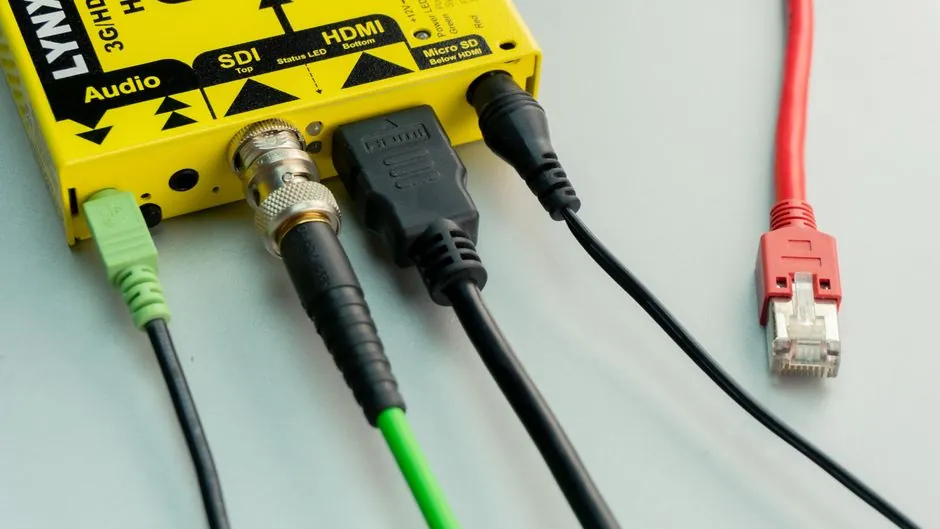
Fiber media converters connect copper and optical networks while extending link distance, reducing electromagnetic interference, and reusing installed RJ45 equipment [S3][S4].
The best application is a point-to-point industrial or campus link beyond copper limits, especially where electrical isolation, long-distance transport, or retrofit compatibility outweighs the cost of powered conversion [S4][S5].
Where Fiber Media Converters Fit
A media converter is an electrical-to-optical or optical-to-electrical signal-translation device, not a router and not a multiport switch. Copper-to-fiber converters enable a fiber segment to be used between copper networks [S1][S4].
This distinction affects purchasing and commissioning. An unmanaged converter provides one transparent copper-to-fiber path and requires little configuration, while a managed switch adds multiple ports, traffic control, diagnostics, and software-based administration. Unmanaged converters are generally less expensive than managed switches and are easier to deploy because specialist configuration is not required [S7].
The product scope also includes fiber-to-fiber conversion, industrial media converters, PoE media converters, and chassis-based systems, indicating that converter selection depends on port type, power method, form factor, and management requirements rather than simply on the word fiber [S1].
Distance, Bandwidth, and Interference Benefits
Fiber media converters extend a copper network over distances that exceed conventional copper cabling limits by placing the copper-to-fiber transition at each end of an optical run [S4][S5]. Fiber supports greater bandwidth than copper and experiences less signal loss over long links, which makes it suitable for campus, building, and industrial backhaul connections [S6][S8].
Media converters can also add fiber-based bandwidth without forcing a complete change to the endpoint hardware [S8].
Optical transport removes the long exposed copper path from the link, improving immunity to electromagnetic interference and supporting more reliable transmission across electrically noisy environments [S4]. For comparison with shielded copper alternatives, see the engineering comparison in Shielded Cable Advantages, Drawbacks, and Selection.
Converter Types Compared by Decision Criteria
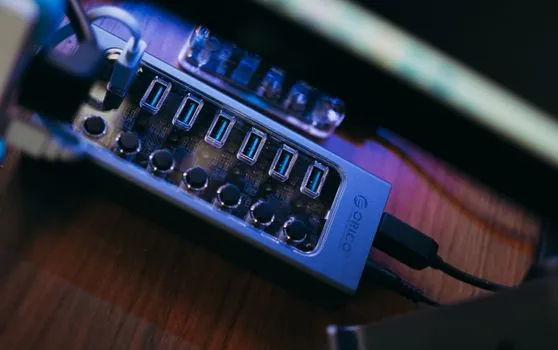
For monitoring or managed migration, a managed converter offers diagnostics and configuration but adds cost, commissioning work, and another management dependency. For copper power delivery, a PoE media converter combines network conversion with power injection, while a fiber-to-fiber converter supports optical backbone transitions without copper at the endpoint [S1][S7].
These types should be compared by link distance, data rate, optical interface, management need, and power method. A managed unit is not automatically the better choice for a single fixed link, while an unmanaged unit is a poor fit when operators need remote diagnostics or port-level control [S1][S7].
Power, Heat, and Failure-Mode Drawbacks
Power consumption also produces heat, which matters in sealed cabinets, small enclosures, and densely populated communications rooms.
A second failure mode is physical-layer mismatch. The interfaces and converters at both ends of a copper-to-fiber link must be compatible with the intended link. Copper-side rate adaptation is not available on every converter, so speed compatibility must be checked rather than assumed [S5].
Contamination and bend radius add practical failure risks. Dust at ferrule connectors, damaged fiber jackets, excessive bends, and mismatched transceivers can prevent a stable link even when the converter itself passes its functional test.
Selection Criteria for Industrial and Campus Links
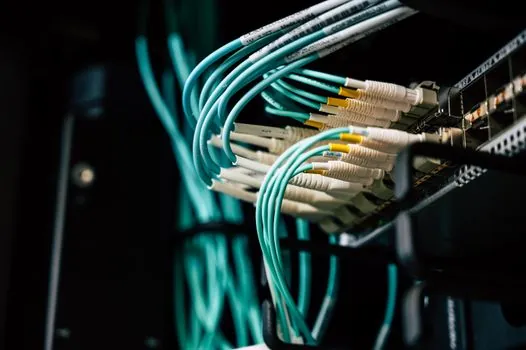
Start with the required data rate, copper interface, optical connector, and supported fiber type.
For industrial installations, specify the converter for the actual mounting method, ambient conditions, power supply, and enclosure environment. For links passing between buildings or machinery areas, confirm the optical distance supported by the selected fiber type and the corresponding transceiver specification, then validate the complete end-to-end path.
For a single copper-to-fiber extension, an unmanaged converter is usually sufficient. Specify managed media when remote status, link diagnostics, or configuration control justifies the additional expense. In motor-control environments, the optical link may connect to a fiber converter near the controller, but the converter does not replace the drive protection, isolation, or safety functions required at the machine.
Where the Trade-Off Changes the Decision
Fiber media converters are strongest where copper distance is inadequate, electromagnetic interference threatens copper links, or optical bandwidth and path length justify conversion. They are also useful when replacing an entire installed network would cost more than adding powered conversion at the two cable boundaries [S3][S4][S8].
They are less suitable for short, clean links where copper already meets distance, bandwidth, and shielding requirements. A converter adds equipment, power, heat, and a failure point without improving the copper segment that remains on either side.
Network topology also matters. A media converter creates a point-to-point active segment, whereas a switch supports multiple attached devices and traffic management. Passive optical distribution uses passive splitters, while an active optical network uses powered equipment such as converters and switches to manage signal distribution [S5].
Before purchase, record the copper rate, required distance, fiber type, connector, wavelength, power source, enclosure temperature, and monitoring requirement. During commissioning, verify both ends, clean connectors, test the optical path under load, and document the converter configuration so a future link fault can be separated from a fiber or endpoint failure.