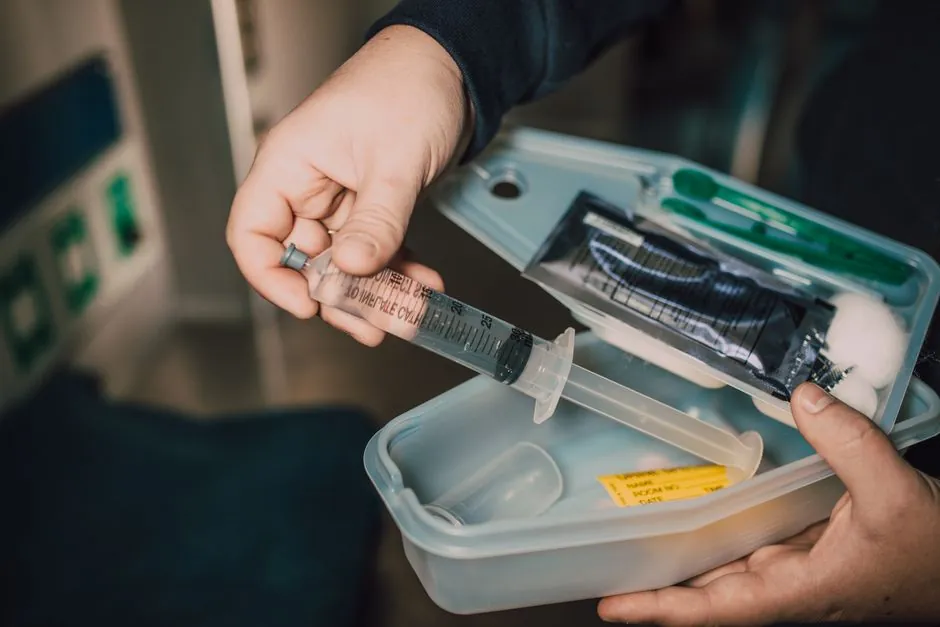
Refill modules restore individual supply groups while preserving a serviceable case, making them the practical choice when a kit is opened, partially depleted, or used in a controlled program.
Full replacement is justified when the container, closure, labeling, compartment layout, or compliance baseline is deficient, because restocking consumables cannot correct every physical defect.
Decision Boundaries for Restocking and Replacement
The refill-versus-replacement decision depends on the case condition, inventory consistency, and required configuration: a refill module is appropriate when the outer container remains intact and only consumables are depleted, while complete replacement is appropriate when the case, closure, organization, or governing content standard has fallen out of specification [S1][S3][S5].
Refill modules are intended to replace or supplement commonly used items in an existing first aid kit [S1]. Modular product systems can separate wounds, burns, bleeding control, medications, infection-control items, and tools into distinct groups, allowing only the affected section to be renewed [S2].
Prepacked kits are better suited to a fast, simple deployment, such as a vehicle, kitchen, office shelf, suitcase, or guest cabin, because the purchaser does not need to curate individual components [S5]. A modular arrangement is stronger for repeated trips and managed group use because depletion can be identified by module and the depleted section can be replaced without disturbing the rest of the kit [S5].
Cost and Restocking Effort Compared
The reviewed listing identifies the product as a loose-packed 77-piece restock supply pack for first aid kits [S1]. The refill is therefore the lower-disruption option for a serviceable kit, but piece count alone does not establish value because a kit can contain many low-use adhesive bandages while lacking gloves, dressings, or other required items [S5].
For a controlled kit, the refill method has three practical advantages: only the opened or depleted module is replaced, the remainder of the inventory stays available, and replenishment can be scheduled around actual use rather than wholesale replacement [S5]. The product is named “Universal First Aid Refill Kit” [S4].
The comparison is straightforward: refills usually minimize waste when the case and configuration remain valid; full replacement minimizes curation and configuration uncertainty; specialized modules impose the highest inventory-control discipline but provide the clearest visibility into what was used [S1][S2][S5].
Case Condition and Configuration Controls
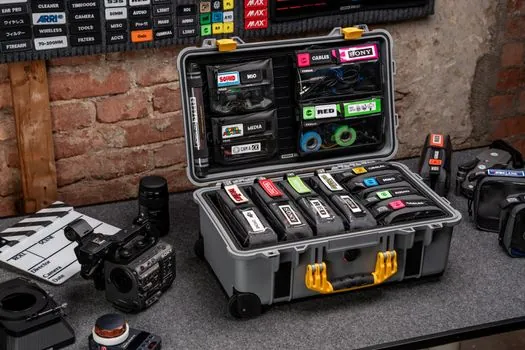
Replace the complete kit if the outer bag or box is torn, contaminated, wet, corroded, missing, or unable to close securely, because a refill only renews contents and does not restore container integrity [S1][S4]. A vehicle refill can be specified as a portable ANSI Class A product intended to restock a vehicle without replacing the box [S8].
Replace the complete kit when the required configuration has changed, such as a shift from general household care to occupational, vehicle, wilderness, pediatric, or remote-response use. Chinook’s product taxonomy includes Personal Aid Medical Kits and Personal Aid Modules, while its supplies categories include Airway, Burn/Blister Care, Bleeding Control Essentials, Diagnostic/Monitoring, and Immobilization [S2].
Do not infer readiness from the number of loose pieces alone. A generic 77-piece refill [S1] may not reproduce the inventory of a purpose-built ANSI Class A vehicle kit [S8]. The safer decision is to compare the replacement contents against the required use case, not merely the supplier’s piece count.
Inspection, Expiration, and Consumption Records
Refill only the consumables that are missing, used, damaged, or expired, because checking expiration dates and replacing used items is an established maintenance requirement [S3]. A practical inventory sheet should record each module, item count, lot or expiry date where applicable, inspection date, and responsible restocker.
Replace a complete kit when the inventory cannot be reconciled. For example, if a wound-care module contains an unknown mixture of adhesive bandages, gauze, tape, and gloves, the evidence for correct stock levels is lost. Module-based organization makes gaps visible and allows the affected section to be replaced while the remainder stays operational [S2][S5].
Inspect batteries and powered accessories separately from dressings and medications. First-aid kits should be checked regularly to ensure that flashlight batteries work and that expired or used-up supplies are replaced [S6]. The source recommends checking first-aid kits yearly and replacing missing and old items, with supplies listed as Band-Aids in assorted sizes, gauze pads, and rolled gauze [S7].
Fit for Users and Exclusions

Use a refill module when the existing kit was designed for the same setting, the user can identify depleted or expired content, and the replacement module contains the required item types [S1][S5]. This suits recurring trips, crews, boats, camps, and managed equipment caches where the same kit is opened and replenished repeatedly [S5].
Use full replacement when the owner lacks the time or knowledge to audit contents, when the kit must be ready with minimal assembly, or when existing supplies do not match the hazard profile [S5]. Kits may be basic or comprehensive, and contents should reflect the user’s medical training and distance from professional medical help [S9].
Refill modules are not appropriate for repairing structural damage, correcting an unsuitable kit design, or replacing absent specialized equipment. Prepacked kits are not inherently inferior, but they can become unbalanced after repeated use, leaving commonly needed items depleted while rarely used items remain untouched [S5].
Standards, Procurement, and Auditability
ANSI Z308.1 provides a concrete procurement criterion for vehicle or truck refill kits: the reviewed vehicle refill was described as meeting the applicable ANSI Class A requirement, and its purpose was to restock a vehicle kit without replacing the box [S8]. Confirm the edition and exact kit class in the supplier’s formal documentation before accepting the product against a compliance schedule.
For occupational inventories, specify the minimum module content, case type, closure, labeling, expiration controls, and replacement responsibility before comparing quotations. A first aid cabinet versus soft-sided bag comparison is useful when the refill is intended for a fixed workplace station rather than a vehicle or field pouch.
Contractors and multi-site operators should also price ongoing maintenance instead of treating the initial purchase as the complete lifecycle. The first aid kit maintenance subscription cost guide provides a useful companion for comparing inspection and replenishment programs with recurring manual restocking.
The next procurement record should identify the kit’s use case, case condition, module configuration, ANSI class where applicable, inspection frequency, and restocking owner; any refill purchased without those six fields leaves the same inventory gap it was intended to solve.
