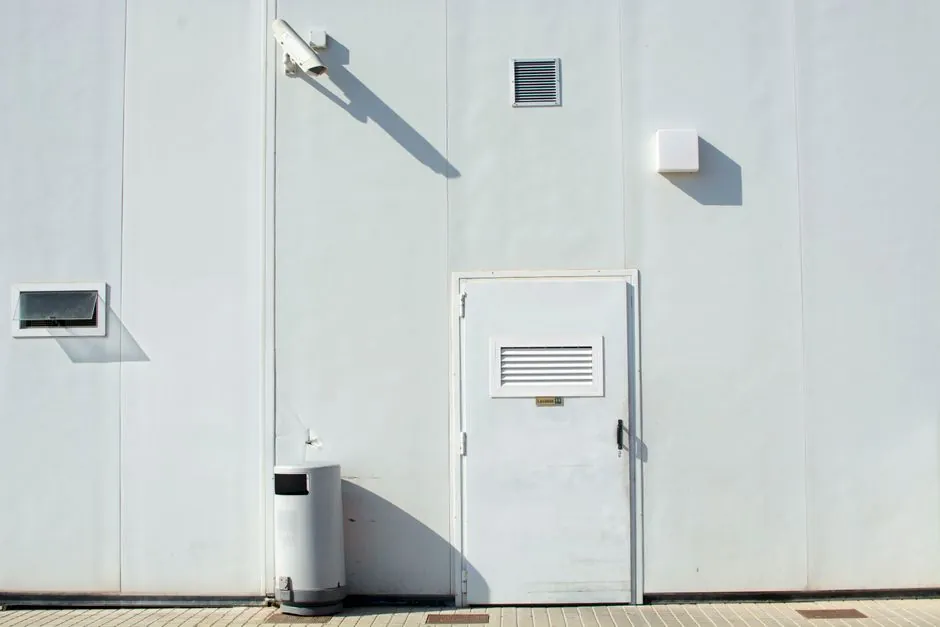
Use a heat detector in a garage where dust and exhaust can trigger smoke alarms, but do not select a boiler-room detector by location alone: appliance type, combustible gases, clearance, and notification requirements must be checked first [S1][S2][S4].
Heat detectors respond either to a fixed temperature or to a rapid rise in temperature. In a boiler room, a separate carbon monoxide alarm may also be required when fuel combustion can create carbon monoxide [S2].
Detection Principle and Room Fit
Heat detectors do not respond to smoke particles. They activate either when ambient temperature reaches a rated threshold or when temperature rises rapidly, and many commercial products include both fixed-temperature and rate-of-rise elements [S3][S4].
This makes a garage heat detector responsive to two distinct fire patterns: a sustained rise toward the rated temperature and a fast heat release that triggers the rate-of-rise element [S3]. A heat detector does not reproduce the early smoke response of a smoke alarm, so it is normally a room-specific supplement rather than a substitute for required smoke alarms [S4].
Garages commonly contain vehicles, tools, chemicals, dust, and exhaust that can interfere with smoke detection [S3]. That suitability still depends on the selected detector’s environmental rating and installation instructions [S4].
Garage Selection Criteria
For a garage, prioritize response to high or rapidly rising temperature, tolerance of dust and exhaust exposure, and an alarm output that occupants can hear [S1][S4]. A heat detector gives earlier warning than a device that waits for a still higher fixed-temperature point if the fire produces a steep temperature rise, while a fixed-temperature element covers slower heating [S3][S4].
Compare the principal options on response mechanism, environmental suitability, warning time, and installation. A fixed-temperature detector is straightforward and activates at its rated point; a rate-of-rise detector can react during a fast fire; a combined unit supports both development patterns [S3][S4]. In practical terms, the combined detector is the stronger general choice for a garage unless the fire-alarm design specifies a particular detection mode [S4].
Warning time is the principal tradeoff. Heat detection generally occurs later than smoke detection because smoke commonly reaches the ceiling before the temperature there rises enough to operate a heat detector [S4]. This is acceptable as a garage-specific arrangement when smoke alarms are unsuitable, but it makes a heat detector a poor substitute for smoke alarms in bedrooms, hallways, and other occupied sleeping areas [S4].
Boiler Room Hazards and Restrictions
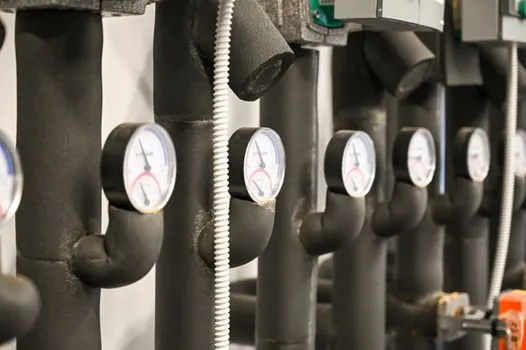
A boiler room must be evaluated for fuel-burning equipment, carbon monoxide, ambient heat, and potential explosive atmospheres. That exclusion makes a boiler room materially different from a garage.
The boiler, domestic water heater, flue, ventilation, combustible piping, and local fire-code requirements determine whether that instruction applies to the proposed device. Gas-fired equipment also raises a carbon monoxide question that a temperature sensor alone does not answer [S2].
For comparison, a garage heat detector is selected mainly to tolerate dust, fumes, and exhaust, whereas a boiler-room device must avoid unacceptable exposure to normal appliance heat and address the distinct risk of combustion gases [S1][S2][S4]. A carbon monoxide detector is not a heat detector, and a heat detector is not a carbon monoxide detector; both hazard questions must be answered independently.
Decision Matrix by Application
Garage versus boiler-room selection is not a contest between two product labels. It is a room-to-hazard match. The garage decision prioritizes nuisance resistance and heat detection. The boiler-room decision starts with fuel type, carbon monoxide risk, manufacturer clearances, ambient conditions, and the authority having jurisdiction [S2][S4].
For a typical garage, choose a listed heat alarm with fixed-temperature and rate-of-rise response, suitable environmental exposure, and a clearly audible or panel-connected notification path [S3][S4]. For a boiler room, do not install the same garage unit merely because it detects heat. First identify the fuel and combustion arrangement, then verify appliance separation, CO protection, hazardous-area classification where applicable, and panel compatibility with the manufacturer and local authority [S2].
System integration can affect cost and reliability. Home heat detectors are commonly connected to an alarm panel or interconnected with smoke alarms so the alarm can be heard, and this can add wiring or system expense [S4]. In a garage, a standalone heat alarm may be simpler if permitted, but occupants need a credible path to hear it. In a boiler room, connection to a fire alarm control panel may be required by the system design.
Failure Modes and Maintenance

The central failure mode of a heat detector in either room is late warning. Smoke detection generally precedes heat detection, so a fire can produce visible smoke before the room temperature reaches the alarm threshold [S4]. Heat alarms also must remain unobstructed and correctly located; placement under 5 feet from a fuel-burning appliance is specifically excluded by the cited Kidde manual [S2].
The second failure mode is equipment mismatch. A heat detector without a suitable notification path may alarm locally but not provide the intended building-level warning [S4]. A smoke alarm substituted in a dusty garage may generate nuisance alarms, and repeated false alarms can lead occupants to ignore or disable the device [S4]. In a boiler room, using a heat-only device without addressing carbon monoxide leaves a separate life-safety hazard unresolved [S2].
Test the installed device at the interval required by its manufacturer and the governing fire-alarm program, verify the remote notification path, and maintain clear space around the detector. Do not alter the listed spacing or response type during replacement. Any detector used for a boiler room should be matched to the installed appliance instructions and the property’s approved fire-alarm design, with carbon monoxide protection added where the fuel and risk assessment require it [S2][S4].
Standards, Approval, and Sourcing
No single standard can be named from the supplied material to prescribe a universal boiler-room detector, because requirements depend on property type, occupancy, fuel-burning equipment, local code, and the authority having jurisdiction [S2][S5]. Older forum commentary states that heat-detector requirements are not a national standard and may vary with local adoption [S5]. That makes the project-specific approval record more important than a generic product claim.
Specify the detector’s listing or approval, sensing mode, rated activation temperature, environmental limitations, mounting method, spacing from the appliance, interconnections, and notification behavior. For a garage, confirm compatibility with dust and exhaust exposure. For a boiler room, confirm fuel-gas and carbon monoxide requirements, hazardous-area suitability if the room contains an explosive fuel-air mixture, and any required clearance from the appliance [S1][S2][S4].
Property-specific verification should end with three records: the appliance manufacturer’s installation instructions, the authority’s acceptance of the room arrangement, and the fire-alarm sequence for notification and panel interfaces [S2][S4][S5]. These records prevent a technically capable detector from becoming an incorrectly located device.
For multi-device comparison, addressable versus conventional heat detector selection becomes relevant when the garage or boiler room is part of a larger commercial fire-alarm system. Otherwise, document the room condition, fuel type, required alarm outputs, and appliance clearances before selecting the detector model.