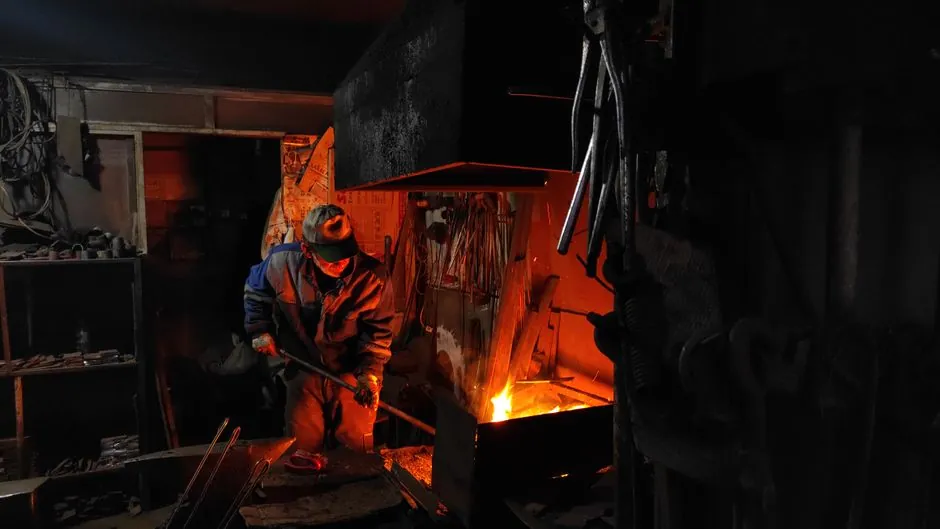
Fuel-fired crucible furnaces reach melt rates near 400 kg Al/h, while electrically heated units of comparable size sit around 250 kg Al/h, a StrikoWestofen figure cited in the Foundry Lexicon [S5].
That throughput gap is real, but it does not settle the choice: a UC Berkeley study on A356 aluminum in silicon carbide crucibles found gas-melted test bars reached only 80% of the mean tensile, yield, and elongation values of electrically melted bars, with a wider scatter band [S4]. Buyers choosing between a crucible furnace and its gas or resistance-heated variant should weigh melt rate, energy tariff, melt-loss rate, and end-spec mechanical targets before quoting a number.
Melt Rate and Energy Per Kilogram
Published StrikoWestofen-style throughput data places fixed electric resistance crucible furnaces near 250 kg Al/h, and fuel-fired versions near 400 kg Al/h, for aluminum holding and melting service in die casting foundries [S5].
Energy cost per kilogram is not fixed across the two technologies: a 2026 techno-economic comparison reports that, under current utility tariffs, gas-fired systems remain more cost-effective per unit of metal melted than direct electric resistance heating, because the higher capital cost of electric capacity is not yet offset by operating savings in most studied plants [S1]. Small-batch hobbyist-scale data, using a 5.5 kg LG2 gunmetal charge at roughly 1000 °C, shows electric resistance at about 3 kW draw and a tariff of 17 cents/kWh lands near $2 of electricity for a four-hour melt, while LPG consumption at that scale was harder to pin down from public data [S2].
Alloy Quality and Melt Cleanliness
The UC Berkeley study degassed both furnace types with ultra-dry nitrogen and poured identical A356 test bars into green sand and permanent molds: gas-melted bars reached only 80% of the mean tensile, yield, and elongation of the electric-melted bars, and their statistical distribution curve was wider and shorter [S4].
The root cause was traceable to the lid seal: the compressible fiber gasket between crucible top and steel cover, still standard practice, lets combustion gases leak past under positive chamber pressure and contact the bath, which is why fracture surfaces on gas-melted bars repeatedly showed dross, hydrogen porosity, and aluminum-oxide films while electric-melted bars rarely did [S4]. Foundry-lexicon design notes confirm that older top-vented crucibles, where flue gases pass over the melt, are now rarely built for that same contamination reason [S5].
Heat Source, Crucible Type, and Service Limits
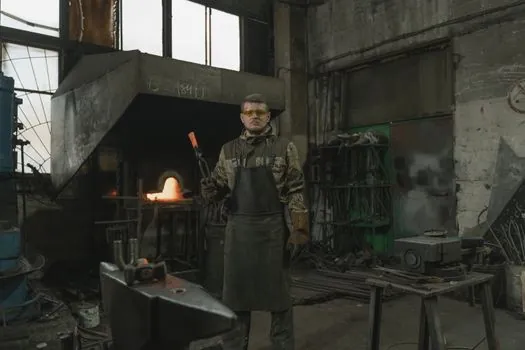
Crucible materials are the same for both heat sources: graphite (often glazed, clay-bonded), silicon carbide (SiC), and metal crucibles (cast iron, special cast iron, cast steel, or sheet steel for magnesium and zinc), selected by alloy and peak temperature [S5].
Gas-firing is the dominant fuel path today, with oil firing as a secondary option; the foundry lexicon notes electric resistance furnaces roughly require double the energy input at the connection compared with combustion units for equivalent melt output, a sizing number that drives switchgear and transformer specification [S5]. Fixed crucible furnaces in aluminum die casting shops commonly hold up to 1,000 kg; tiltable crucible units extend to about 1,500 kg, and heavy-metal versions go higher [S5].
Operating Costs, Maintenance, and Lifetime
Residential HVAC comparison data, while not foundry-specific, shows the recurring service pattern: gas systems need more frequent burner and flue maintenance, while electric units run quieter and typically last longer in service life, a pattern echoed in industrial OEM product literature [S6].
For crucible furnaces specifically, electric resistance heating adds element-replacement and power-supply maintenance to the schedule, and brings tilt-control and power-factor questions if the unit is tilting or high-capacity; gas systems shift the burden to burner nozzles, refractory, and recuperator cleaning [S3]. Recuperative air pre-heat on gas systems has been measured at 25-38% fuel savings versus cold-air burners, a control knob electric resistance does not offer [S5].
Selection Criteria: Who Each Technology Is For
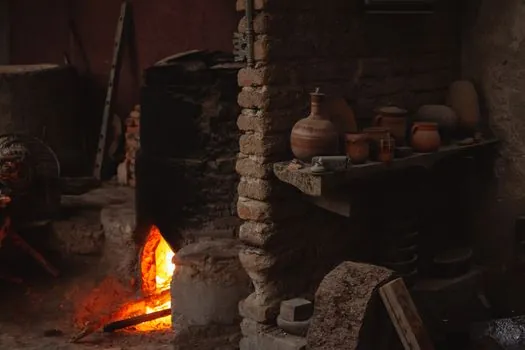
Gas-fired crucible furnaces suit plants that need higher melt rate per unit (up to 400 kg Al/h class), have gas service and adequate exhaust, want recuperator air-preheat for 25-38% fuel savings, and run alloys where the top dross layer can be skimmed routinely [S5].
Electric resistance crucible furnaces fit plants that prioritize tight tensile and yield scatter (electric-melted A356 hitting 100% mean properties vs gas-melted at 80%), quieter indoor operation, and zero on-site combustion products; the trade-off is roughly half the melt rate and roughly double the connected electrical load for equivalent throughput [S4][S5]. Plants with strict melt-loss targets also lean electric, since resistance heating avoids the combustion-gas hydrogen pickup that drives porosity [S4].
Comparison Matrix: Gas-Fired vs Electric Resistance Crucible
On melt rate, fuel-fired units lead at ~400 kg Al/h versus ~250 kg Al/h for resistance, both at foundry-typical crucible sizes [S5]. On alloy cleanliness, electric resistance delivers 100% mean tensile and yield in the A356 test, gas-fired about 80%, with electric also showing tighter standard deviation on the bell curve [S4]. On energy cost per kilogram, gas wins on current tariffs per the 2026 techno-economic study, while electric wins on small-batch hobbyist cases where total melt mass is low and electricity is cheap [S1][S2]. On maintenance burden, gas systems carry burner and flue service plus recuperator cleaning, while electric systems carry element replacement and switchgear care, and the typical service life skews longer on electric [S3][S6]. On capital, gas is cheaper to buy per kg/h of melt rate; electric resistance costs less to install for small stationary units but requires more electrical infrastructure at scale [S3][S5].
Decision Signals and Edge Cases
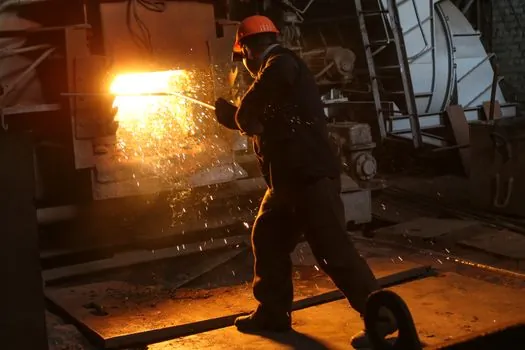
Three numbers drive the call: peak melt rate required (above 300 kg Al/h class leans gas), alloy spec criticality (tight tensile/yield scatter leans electric), and energy tariff ratio (gas:electric under about 2.5:1 favors gas at large scale, per the 2026 comparison) [S1][S4][S5].
Plants running zinc, magnesium, or lead commonly specify cast-iron or steel crucibles rather than SiC, regardless of heat source, because the alloy chemistry attacks silicon carbide [S5]. For mixed-line operations, a tilting gas-fired pre-melter paired with an electric holding furnace captures the throughput of combustion and the cleanliness of resistance, the configuration most StrikoWestofen-style references describe [S5]. The Rayteq document on gas vs electric A356 melting and the broader 2026 techno-economic review both point to the same working rule: the silicon-carbide crucible does not isolate the bath from combustion chemistry, so any decision that assumes it does will under-specify the gas path.
Two trackable signals to watch: revised foundry-utility tariff schedules after 2026-Q4, and any IEC 60519 or NFPA 86 update touching recuperative burner control envelopes on fuel-fired crucible furnaces; the crucible material selection guide for precious metals is the next reference for shops moving past alloy choice into clay-graphite versus SiC tradeoffs.