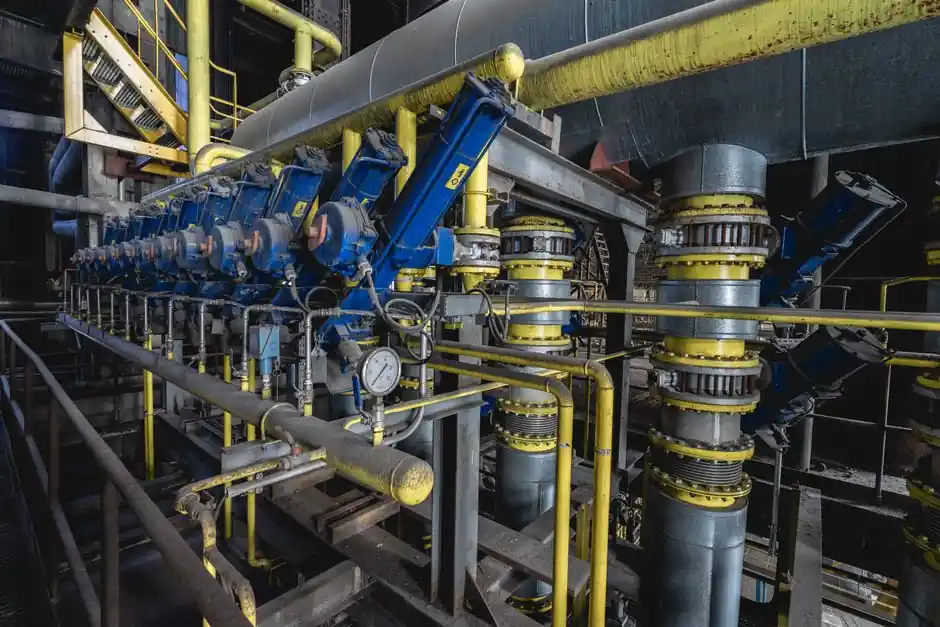
Knife gate valves suit mining isolation duties involving abrasive slurries, tailings, dewatering, hydrocyclones and pump stations, where solids exclusion and a compact full-port flow path determine performance [S3][S4].
The correct selection depends on fluid chemistry, solids concentration, operating temperature, pressure, suction conditions and cycle frequency; these variables determine whether to specify a metal knife gate, lined gate or thermoplastic gate [S5].
Knife, Lined and Wedge Gate Options
Knife gate valves are among the valve types used for mining slurry and tailings applications [S6][S7].
A lined knife gate adds a polyurethane or polymer barrier between the process fluid and metal body. The bidirectional polyurethane-lined Series 746HP and bidirectional metal Series 762, 767 and 768 products illustrate the available construction choices [S3]. A PFA-lined butterfly valve is a separate flow-control option for corrosive mineral-processing duties [S3].
A wedge gate valve is less attractive as the default mining slurry isolation valve because its seating geometry and heavier closure members demand more attention where deposits, solids and frequent cycling are present. Reserve wedge gate duty for clean or conditioned service after confirming the pressure class and seat behavior.
The principal comparison is straightforward:
Match Construction to the Mineral Process
Mining circuits combine abrasive solids with acidic leach solutions, flotation reagents and tailings. Bray identifies slurry transport, pumping stations, separation, dewatering, intermediate stations, thickeners, tailings, HPAL leaching, acid injection and pressure oxidation as relevant application areas [S3].
For abrasive slurry, hard wear components, metal linings or coatings are the governing selection criteria [S3]. For acid leaching and acid injection, wetted-material compatibility becomes the primary constraint. For high-pressure oxidation, verify the valve pressure rating and closure member design against the specified process pressure and temperature.
The documented Asahi/America Type P gate valve provides one nonmetallic selection case: high-impact PVC in 2–8 inch sizes, Type P polypropylene in 1.5–8 inch sizes, ISO 5752 short-pattern mounting and full-vacuum service rating [S5]. It is intended for corrosive mining liquids where no metal contacts the media and sediment or precipitate can be removed through a body-bottom drain [S5].
Do not select this thermoplastic construction merely because the fluid is acidic. Confirm fluid concentration, operating temperature, pressure, suction conditions, thermal expansion and the number of operating cycles before accepting the dimensional and vacuum ratings [S5].
Size for Solids, Flow and Valve Velocity
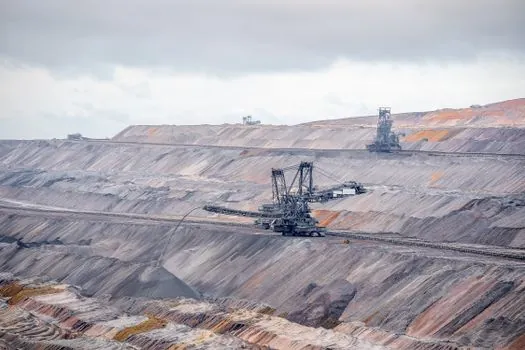
Gate-valve selection in mining requires more than a nominal pipe-size match. The purchase data should include fluid, solids concentration, particle size distribution, flow rate, operating and design pressure, temperature, suction condition, duty cycle and connection details [S5]. A value with no units is not an engineering input.
Use the stated flow and pipe diameter to calculate line velocity, then compare the result with the valve manufacturer’s allowable velocity and Cv data. For slurry valves, abrasion intensity, solids concentration and particle characteristics materially affect the required valve velocity and wear allowance [S8].
Check whether the selected gate has a full-port bore. A reduced-bore gate creates an artificial restriction and accelerates local wear in abrasive service. Confirm seat leakage criteria, direction of closure, stem orientation and available installation envelope, because a nominally correct valve cannot be commissioned if its actuator or stem conflicts with the pipework.
Select the Actuator for Remote and Routine Operation
Mining isolation valves may be manually operated, pneumatically actuated, hydraulically actuated or electro-hydraulically driven. Bray lists rack-and-pinion pneumatic actuators in Series 92/93, scotch-yoke pneumatic actuators in Series 98, scotch-yoke hydraulic actuators in Series 98H and electro-hydraulic actuators in Series 98EH [S3].
Use manual operation for infrequent, locally accessible isolation. Use pneumatic actuation where a remote fail-close or fail-open function is required and instrument air is dependable. Bray lists Scotch Yoke hydraulic actuators, Bray electro-hydraulic actuators, and other pneumatic and rack-and-pinion pneumatic actuators among its mining-industry products [S3].
Specify the required failure action explicitly, such as fail closed, fail open or remain in position. Also define the air or hydraulic pressure range, available supply capacity, cycle time, manual override, limit switches, solenoid voltage and hazardous-area classification. These items distinguish an actuator package from a complete mining isolation system.
Account for Severe Tailings and Water Recovery
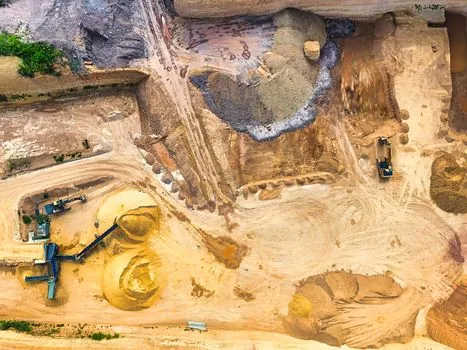
Severe tailings service requires the selection method to focus on solids, flow regime, seat leakage, corrosion and maintenance access rather than treating the tailings line as ordinary water service [S7]. Tailings systems can combine high suspended solids with abrasive particles, and they may be affected by variable water recovery flows.
For pump-station discharge, thickener isolation and pipeline block valves, a bidirectional knife gate provides a compact isolation solution [S3]. For high-solids lines, ceramic-lined gate and ball valves are among the alternatives considered in mining-slurry selection guidance [S8]. Pinch valves are also used where a flexible sleeve isolates the flowing solids from the valve mechanism [S8][S9].
Do not use an ordinary resilient-seated gate valve in a line carrying coarse, settling solids without confirming that the seat and gate can close cleanly. Deposit can prevent full seating, raise actuator load and leave the line inadequately isolated. A seat-cleaning mechanism, flush, drain or accessible line arrangement should be evaluated before the actuator is selected.
Use Gate Valves for Isolation, Not All Flow Control
A gate valve is primarily an isolation device in mining service. It should open fully when the pressure drop is low and close tightly when isolation integrity matters. Using it for throttling can concentrate wear on the gate and seat and may expose the actuator to excessive force. [S3]
The mainstream knife gate is suitable for slurry, tailings and pump-station isolation. It is not the first choice for precise throttling, fluid containing hard objects that may lodge in a conventional gate, or applications requiring frequent modulation. Use a ball valve, butterfly valve, pinch valve or another control device when the operating mode requires proportional flow regulation rather than open-close duty [S3][S6][S8].
Hydraulic mining systems and water-reclaim circuits also need to be separated by service type. A mine may install ball valves for pump isolation, butterfly valves for water or reclaim control, knife gates for slurry block-out and check valves for backflow prevention [S3][S6]. A single valve family across all five duties usually creates compromise.
Set Procurement and Acceptance Criteria
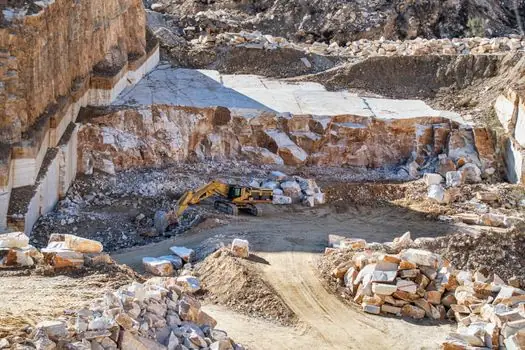
Require the supplier to state the valve type, model, size range, pressure class, body and trim materials, seat and seal materials, lining, end connection, actuator, operating-fluid limits, valve travel, seat leakage basis and test procedure. The purchase package should also identify the applicable mining service, such as tailings, dewatering, flotation, grinding, hydrocyclone, leach or process-water duty [S4].
For thermoplastic replacements, document whether the valve is full-vacuum rated, whether any metal contacts the process medium and whether a body-bottom drain is provided. These are engineering acceptance features, not optional catalog notes [S5]. For metal or lined valves, request the selected wear-resistant alloy, lining thickness and replacement-part identification rather than accepting a generic “heavy-duty” description.
Inspection and commissioning should verify correct orientation, unobstructed actuator travel, adequate installation clearance, clean flushing media, drain accessibility, local isolation, remote failure action and functional movement. Zero visible leakage alone is not enough; the test must also demonstrate full stroke and stable closure under the expected operating condition.
Build a Service-Based Shortlist
Shortlist a metal knife gate for abrasive tailings or dewatering isolation, a polyurethane-lined knife gate where erosion and corrosion act together, a thermoplastic gate for compatible corrosive leach service, and a wedge gate only for clean or conditioned duties. This sequence matches the mining applications and product constructions documented in the available mining references [S3][S5][S7].
Before releasing the order, obtain five traceable records: the process datasheet, manufacturer selection sheet, material and lining schedule, actuator data sheet and factory-test requirement. Any discrepancy among nominal size, pressure, temperature, seat leakage, flow direction and failure action should be resolved before procurement.