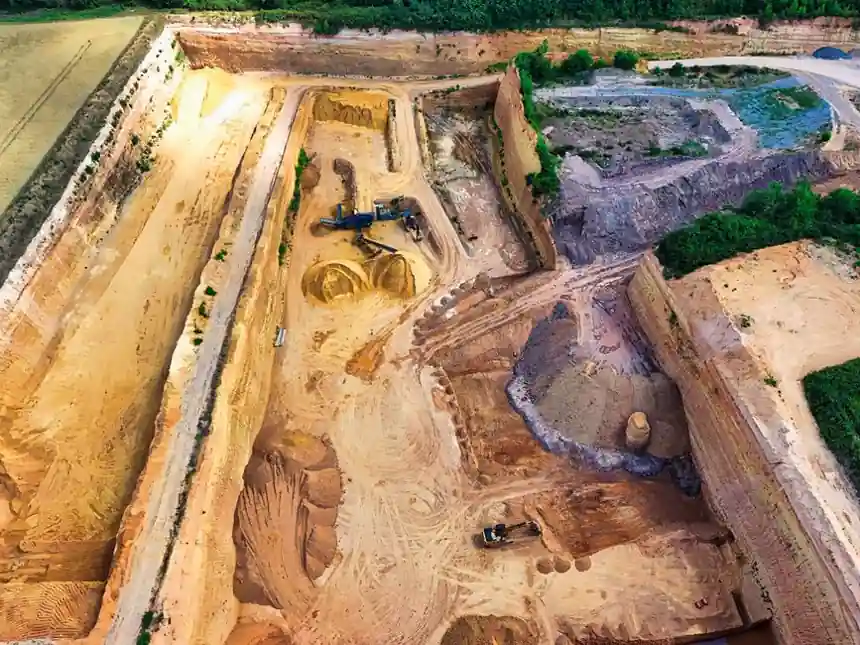
Globe valves suit mining water, steam, and chemical-addition duties where accurate throttling or isolation is required, but they are not the preferred primary isolation valve for abrasive slurry lines.
Globe valves are used in mining and metals applications including cooling water systems, steam lines, and chemical addition in ore processing [S6].
Where globe valves fit in a mining flowsheet
Globe valves regulate flow by moving a plug against a seat, making them suitable for throttling and isolation duties rather than solids handling [S7]. Mining applications include cooling water, steam lines, and chemical addition in ore processing [S6].
For valve selection, define the medium, pressure, flow, and maintenance requirements before comparing valve architectures [S4]. The globe control valve configuration is appropriate where modulated flow control is required, while a manual globe valve is more likely on a small water or steam branch that only needs isolation.
The globe valve should be treated as a clean or controlled-medium valve within the mine. Mining circuits also use knife gate, pinch, butterfly, ball, and check valves for slurry, tailings, water reclamation, cyclone feeds, and pump protection [S2]. Those alternatives are usually better matches for heavy solids, large water lines, high-pressure slurry, and reverse-flow prevention.
Main mining choices compared
The key selection comparison is not simply metal-to-metal shutoff versus soft seat. It is the combination of service type, solids tolerance, pressure capability, and control duty [S2][S5].
Do not use a globe valve as the default answer for tailings, paste, or cyclone-feed isolation. The mining-specific options map directly to those services: knife gates for tailings and dewatering, pinch valves for high-solid paste, metal-seated ball valves for high-pressure feeds, butterfly valves for water reclamation, and check valves for pump protection [S2][S5].
Pressure and temperature define the body and trim
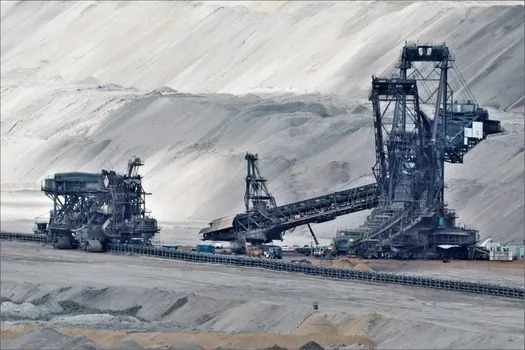
Selection starts with the maximum design pressure and temperature, not the nominal pipe size. The valve pressure-temperature rating must cover the process conditions at the selected material, and the stated pressure rating is only valid within the applicable material and temperature envelope [S4].
For steam service, require the trim and seat arrangement to be rated for the actual steam pressure and temperature. For water service, distinguish clean or filtered water from water containing suspended solids. For chemical addition, identify the reagent, concentration, and dilution range because chemical compatibility can govern trim and seal material selection [S3][S6].
Allow for pressure recovery and actuator sizing rather than selecting only by line pressure. The actuator also needs fail-action control based on the process hazard, such as fail-open or fail-closed, and remote-operation capability where the valve is inaccessible [S5].
Material selection for abrasion and corrosion
Mining environments expose valves to abrasive slurries, corrosive chemicals, high-pressure circuits, continuous operation, remote-control requirements, and harsh outdoor or underground conditions [S5]. Material selection must therefore address both erosion and corrosion rather than treating them as interchangeable concerns.
Bray identifies abrasion-resistant steel alloys, metal linings, and coatings as construction methods for slurry service, and also lists PFA-lined butterfly products for corrosive applications [S3]. Those material strategies are directly relevant when a globe valve handles a contaminated water or chemical stream: confirm the wetted trim, body, seat, stem, packing or bonnet seals, and actuator mechanism against the service fluid.
For a clean mining-water duty, a conventional robust globe valve may be adequate, but the specification still has to define body, trim, seat, stem, and gland materials. For acidic leach, acid injection, or electrowinning service, require documented chemical compatibility. Bray mining valves for slurry handling and transport are engineered with abrasion-resistant steel alloys, metal linings, and coatings for performance in aggressive erosion [S3].
Actuation, control, and failure response
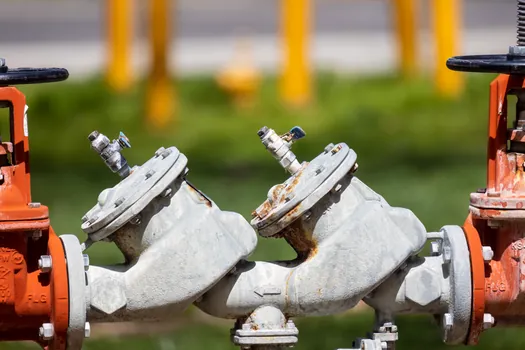
Bray lists a Series 6A smart positioner for mining applications, along with Series 98 pneumatic scotch-yoke actuators and Series 92/93 pneumatic rack-and-pinion actuators [S3].
Specify the required travel time, operating supply, instrument-air quality, and minimum instrument-air pressure as part of the actuator scope. Also define the electrical or pneumatic signal range, calibrated travel, and fail position. Remote operation is relevant in underground mines and surface processing facilities where manual access is difficult or where plant automation requires controlled isolation [S5].
For steam control, consider the thermal duty and the possibility of a hot trapped liquid between the seat and plug, which can impose a closing force beyond normal cold-water calculation. For mining-water control, size for the required operating travel and stable control range rather than simply using the maximum pipe velocity as the selection criterion. The angle-seat valve may be a better fit where rapid isolation is required on a dirty-water branch, because its design redirects flow through the seat for tight shutoff.
Failure modes and maintenance limits
The main failure modes are solids accumulation, seat or plug erosion, packing leakage, actuator stall, corrosion of wetted parts, and unstable control from a poorly sized trim [S5]. A globe valve with internal cavities is particularly vulnerable when used on a line carrying settling slurry or mineral-laden water.
Inspect the seat and plug for erosion, verify stem and packing movement, and confirm actuator travel against the calibrated positioner range. For a clean-water or chemical service, compare actuator air pressure with the minimum operating value and check that the valve can close at the maximum expected differential pressure. For dirty service, establish a cleaning or flush plan because deposits can prevent complete closure even when the mechanical design is sound [S3][S4].
Spare parts should be identified before purchase. At minimum, define the trim or seat material, packing or bonnet-seal arrangement, stem material, and actuator model. A mining installation also needs access for actuator maintenance, and underground equipment requires whatever site-specific environmental and ingress-protection requirements apply to its installed location.
Sizing, sourcing, and purchase qualification
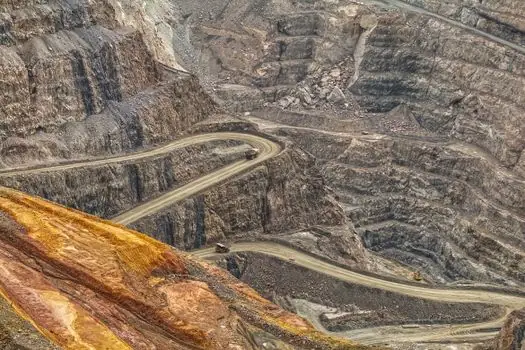
A complete mining globe-valve datasheet should state valve size, pressure class, pressure-temperature limits, end connection, body and trim materials, seat type, flow coefficient, actuator type, fail action, travel time, and instrument-air or electrical requirements. If the function is throttling, include the controlled variable, operating range, normal and maximum differential pressure, and expected liquid or gas phase [S4].
Use API 6D as the applicable purchase reference for pressure-temperature ratings and materials of valves for petroleum, petrochemical, and gas industry applications, subject to the service and project specification. Do not treat that designation as a mining-specific certification or as proof that a valve is suitable for abrasive slurry. For actuation and control, align the functional specification with ISA 18.2-compatible control-valve practice where purchased as a controlled valve, and verify site requirements independently.
For mine-site acceptance, require documentation that supports the material grade, pressure-temperature rating, seat leakage expectation, actuator sizing, and coating or lining compatibility. Check whether the supplier offers abrasion-resistant steel alloys, metal linings, coatings, or polymer-lined alternatives for the specific service [S3]. Do not approve a generic water-service globe valve for an acid or slurry duty merely because its pressure rating is adequate.