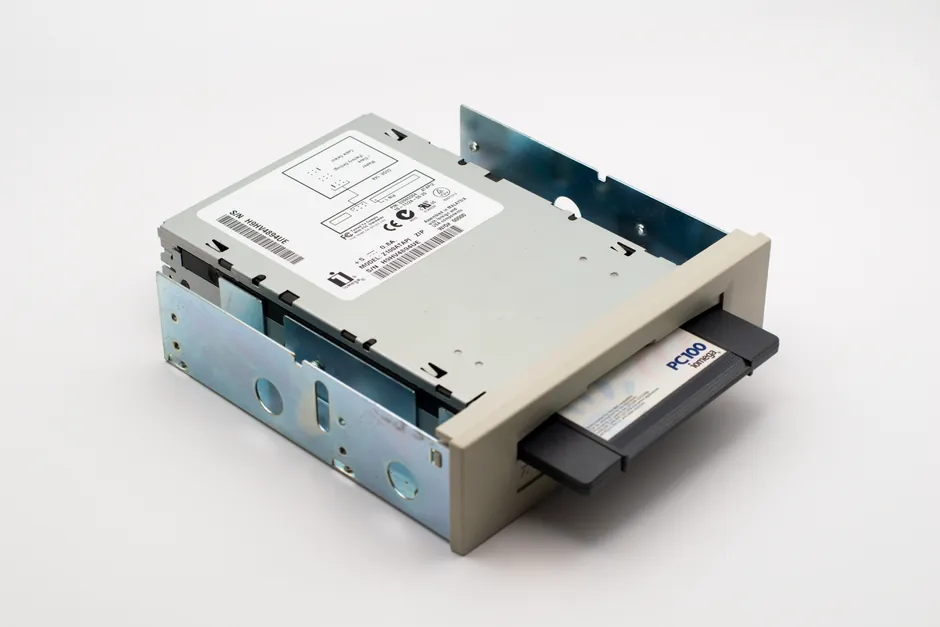
Automated HDD dismantling can recover permanent magnets, while a 100 kg HPMS trial produced sintered NdFeB magnets with Br of 1.34 T and Hcj of 1279 kA/m [S1][S3].
The material is recoverable, but collection density separates a viable magnet-recycling operation from a low-value e-scrap stream, with EV and hybrid motor magnets proving more scalable [S1][S2].
What Magnet Scrap Contains
Hard disk drives, electric and hybrid vehicle motors, automotive components, and loudspeakers contain neodymium-iron-boron permanent magnets, including the small voice-coil magnet assemblies commonly found in HDDs [S1].
The recovery target is not the entire drive or motor, but the NdFeB alloy separated from steel, nickel coatings, voice-coil structures, and other contaminants. A practical HDD process therefore starts with source-separated magnet-bearing assemblies rather than mixed electronic scrap [S1][S3].
The work examined the recycling of NdFeB magnets from HDD scrap using HPMS and the use of recycled magnets in an automotive auxiliary motor [S1]. A separate automated pilot plant was designed around extraction of rare-earth permanent magnets from computer hard-disk drives, showing that mechanical separation can be incorporated into a controlled dismantling line [S3].
HDD Recovery Versus EV Motor Feedstock
Hard-drive magnet recycling was modeled as unprofitable because the feedstock is insufficiently concentrated, whereas EV and hybrid motor magnet streams reached positive net present value at modest collection rates in the modeled US scenarios [S2].
The comparison considered the availability and scale of concentrated feedstock when assessing the economic viability of magnet-recycling routes [S2]. The same preferred downstream flowsheet repeatedly emerged, but feedstock availability and collection economics changed the plant result more strongly than the choice of recovery chemistry [S2].
Automation is especially relevant to motor disassembly because labor can dominate fixed process costs in those scenarios [S2]. An e-scrap processor was installing a robotic sorting cell to take apart hard drives and recover each component of the device [S5].
HPMS Process Conditions and Material Balance
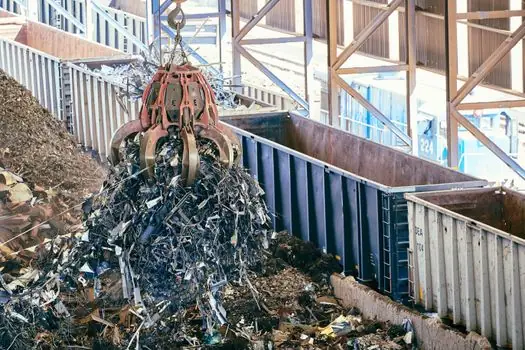
Hydrogen processing of magnetic scrap can remove NdFeB magnets as demagnetized powder, after which the powder is purified and can be re-sintered into new magnets. In the 100 kg HDD trial, material was processed at 2 bar hydrogen pressure and room temperature [S1].
Performance Qualification for Reuse
The study used recycled magnets in an automotive auxiliary motor [S1].
This is a material demonstration of remanufacture, not merely chemical recovery: alloy powder was processed through alignment, compaction, sintering, machining, and installation into a working motor.
For buyers, the qualification sequence is therefore more demanding than checking neodymium content. A magnet claim should be supported by remanence, coercivity, impurity levels, dimensional conformity, and application-level performance; a high-yield recovery step alone does not establish suitability for motor duty [S1].
Dismantling, Safety, and Collection Constraints
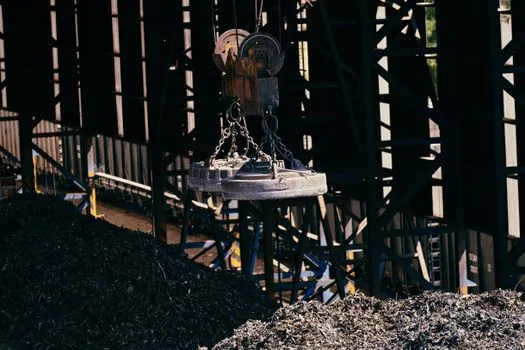
HDD magnet assemblies remain attached to their carrier structures during manual dismantling, and the magnets can be difficult to separate without exposing or damaging the magnet edges [S4]. Automated equipment can perform drive disassembly and component sorting, but that approach requires controlled access to each drive and a defined destination for every separated fraction [S5].
Collection is the first economic filter. EV and hybrid motor feedstock can support profitable magnet recovery at relatively low collection rates, while HDDs would require implausibly high collection levels to break even under the modeled conditions [S2]. The result also depends on assumed prices, discounting for mixed oxides, contamination, and the logistics of identifying who owns and pays to transport the scrap [S2].
Collection contracts and automated disassembly therefore matter as much as chemistry. For high-mass motor streams, concentrated, standardized feedstock can justify automated processing, while mixed HDD collections dilute the valuable magnet fraction with casings, platters, heads, fasteners, and other components [S2][S4].
Choosing a Viable Recovery Route
HPMS was used to recycle NdFeB magnets from HDD scrap, and the recycled magnets were used in an automotive auxiliary motor [S1].
EV and hybrid motor scrap is the stronger candidate for dedicated automated magnet-recovery plants because its modeled economics improve with modest collection rates and high magnet mass per unit. HDD scrap remains more credible as a sorted secondary stream, especially where robotic dismantling can separate magnet assemblies before metallurgical processing [S2][S3][S5].
A serious project should track 3 indicators from the start: kilograms of demagnetized NdFeB powder per tonne received, impurity levels through purification, and kilograms of saleable magnet produced per tonne of collected feedstock. The same balance must be applied to EV Slowdown Rescapes Magnet Supply Balance, because changes in vehicle volumes and motor collection volumes directly affect the scale required to justify magnet recovery.