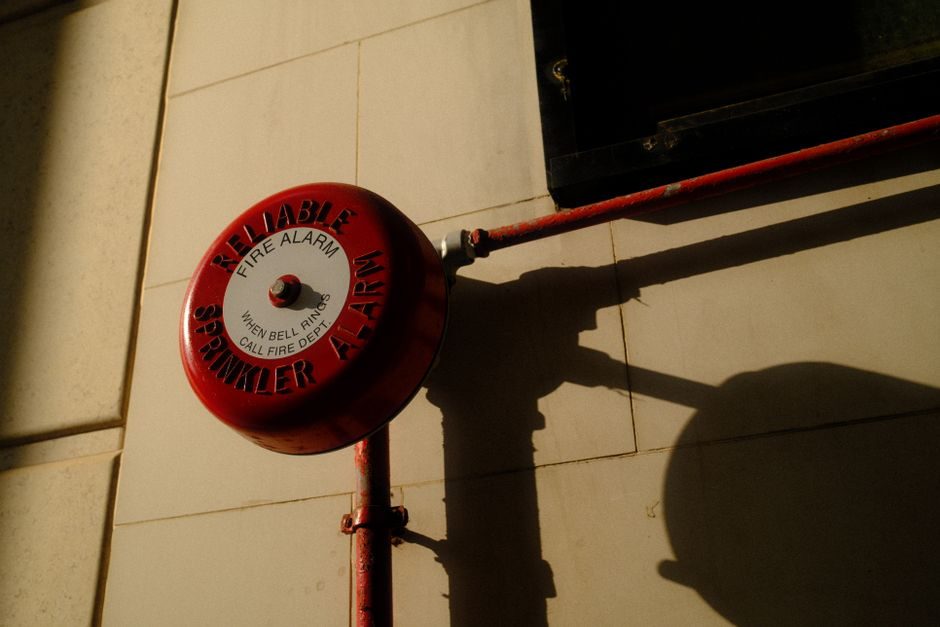
Conventional 2-wire fixed-temperature heat detectors on Chinese B2B platforms list from US$4.40 per unit at 500-piece MOQ up to roughly US$10.00 per unit at 100-piece MOQ, with UL approval a frequent price-step trigger [S2].
For buyers comparing a 57°C (135°F) fixed-temperature unit against a rate-of-rise (ROR) model, MOQ drives effective price more than any spec knob: 500-piece orders of CE-marked CD1100-class units sit near US$4.40, while 100-piece UL-listed SD119-2h/2hl-class units cluster in the US$5.95–US$10.00 band [S2].
Operating envelope and certification scope are the two non-obvious price levers. Okorder's spec sheet pins a -10°C to +50°C ambient operating window for a UL/CE-certified heat detector with 57°C fixed-temperature or ROR response — narrower than most industrial process heat detectors, which is why fire-system designers treat these as life-safety devices rather than process instruments [S1][S2].
Spec baseline: temperature rating, response modes and operating limits
Fixed-temperature alarm points of 57°C (135°F) dominate the entry-level fire-alarm heat detector segment, with rate-of-rise (typically 8.3°C/min or 15°F/min) offered as a parallel or combined element on the same housing [S1].
The UL/CE-certified baseline unit shown on Okorder runs across a -10°C to +50°C ambient range, with the alarm threshold itself at 57°C fixed-temperature — meaning the device is engineered for indoor, conditioned-space fire detection (residential, hotel, plant office), not for high-ambient industrial zones above 50°C [S1]. Outside that envelope, designers must step to a higher fixed-temperature rating (e.g. 90°C class) or use a linear heat cable / fiber-optic system — neither of which falls in the US$4–10 price band covered here. For a process-side reading of how detectors and gas detectors compare in scope, the spec envelope is the first filter a buyer applies.
Price bands by MOQ and certification tier
Three price tiers are visible in the May 2026 sourcing data for conventional hardwired heat detectors on Chinese B2B platforms [S2]:
Tier 1 — CE-only conventional 2-wire, fixed-temp: US$4.40 per unit at 500-piece MOQ (CD1100 class). Suited to non-UL-jurisdiction residential and small commercial jobs.
Tier 2 — UL-listed combination smoke/heat: US$5.95–US$10.00 per unit at 100-piece MOQ (SD119-2h/2hl class). The spread inside the band reflects whether the unit is heat-only (lower end) or combination smoke + heat with sounder (upper end) [S2].
Tier 3 — Conventional fire alarm control panel (FACU) integrated systems: CF-800X-class 1/2/4-zone panels list at US$43.00–US$55.00 per unit at 1-piece MOQ [S2]. These are not detectors per se but the panel that loops the detectors together, and the detector-to-panel cost ratio at a 4-zone, 20-detector layout runs roughly 4:1.
Comparison: heat detector types against decision criteria
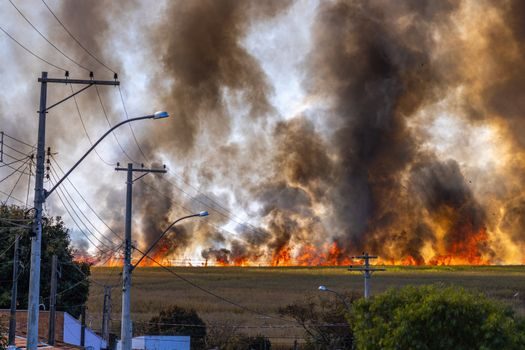
Fixed-temperature, rate-of-rise, combination smoke/heat, and linear heat detection each map differently to four buying criteria drawn from the 2026 sourcing data and detector catalogs [S1][S2]:
1. Cost per point — Fixed-temp conventional 2-wire: US$4.40–US$10.00. Combination smoke/heat (UL): US$5.95–US$10.00. Rate-of-rise adds typically US$1–2 per point over fixed-temp on the same housing. Linear heat cable: priced per meter and well above point-detector cost on small systems.
2. Ambient envelope — Fixed-temp 57°C units: rated to ~50°C ambient [S1]. Higher fixed-temp classes (90°C, 140°C) push the ambient ceiling accordingly. Linear heat cable tolerates the harshest industrial ambients.
3. Response speed — Rate-of-rise: ~8.3°C/min triggers faster than fixed-temp in slow-developing fires. Fixed-temp: slower to respond in high-airflow spaces but immune to false alarms from HVAC swings.
4. Certification fit — CE covers EU/Asia commercial builds; UL is mandatory for U.S. fire alarm acceptance testing; ATEX/IECEx-rated units are a separate, higher price band for Zone 1/2 hazardous areas not visible in the data set above [S1][S2].
Who this price band is FOR — and who it is NOT for
FOR: low-voltage fire-alarm system integrators sourcing UL/CE-listed point detectors at 100–500 piece order sizes for residential, hotel, light commercial and small-plant office projects where the ambient stays inside -10°C to +50°C and the hazard zone is non-classified [S1][S2].
NOT FOR: process-industry buyers looking for a heat detector on a heat-treatment furnace exhaust, a kiln, or a foundry line — those ambients exceed 50°C and call for a 90°C+ class detector, an infrared pyrometer, or a linear heat cable, none of which sit in the US$4–10 band. Also not for hazardous-area (Zone 1/2) installations, where ATEX/IECEx certification is mandatory and pricing moves into a different bracket entirely.
Total installed cost: detector, base, wiring and panel
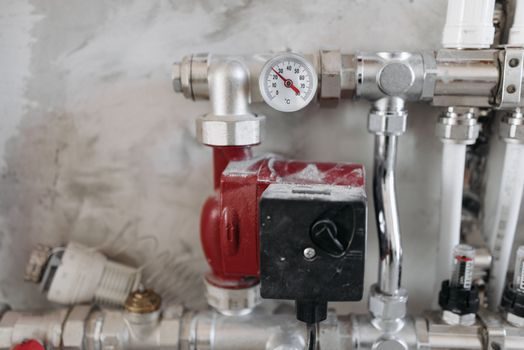
On a 4-zone, 20-detector layout, a CE-only fixed-temp system lands near US$130–US$150 in detector cost (20 × US$4.40–US$7.00) plus US$43–US$55 for the panel, plus bases and wire — total material roughly US$200–US$260 [S2]. The same layout in UL-listed combination smoke/heat pushes detector cost to US$120–US$200, with the panel unchanged, so the UL delta on detectors alone is roughly US$30–US$80 per 20-point job.
Labor and commissioning typically run 1.5× to 2× the material cost on a small commercial fire-alarm retrofit, which is why a US$4.40 vs US$10.00 detector-head delta of US$5.60 × 20 points = US$112 rarely decides the bid; the panel, wiring, conduit and acceptance-test line items do [S2].
Limitations, false-alarm modes and failure patterns
Fixed-temperature 57°C detectors are prone to false alarms in kitchens, boiler rooms and any space with normal ambient above ~45°C — the 5–8°C safety margin between ambient and alarm point is intentional but tight [S1].
Rate-of-rise units can false-alarm from rapid HVAC temperature swings (door opening to cold air, sun load on a rooftop unit) at the typical 8.3°C/min trigger. In spaces with either hazard, dual-element fixed + ROR units are specified instead, and the dual-element SKU is usually at the top of the model's price band [S1][S2].
End-of-life for fixed-temp mechanical elements is typically 10 years; for electronic ROR/combination units, manufacturers commonly spec 5–7 years before the sensing element drifts out of spec and the detector must be replaced — a recurring cost line that buyers should add to a 10-year lifecycle estimate, not just the first-fit BOM.
Sourcing and standards context for 2026
UL 521 (Standard for Heat Detectors for Fire Protective Signaling Systems) and the CE-marked equivalent EN 54-5 (Heat detectors — Point detectors) are the two reference documents underlying the certification marks visible on the Okorder and Made-in-China listings; buyers should confirm the specific test class (e.g. EN 54-5 class A1S, CR, or BRG) on the datasheet, not just the CE mark, when the AHJ requires it [S1][S2].
Chinese OEM/ODM factories continue to dominate the entry-level fixed-temperature segment, with multi-product security-and-fire-alarm lines (heat + smoke + burglar panels) on the same production floor — a pattern that compresses per-unit cost but also means most factories are sourcing 2-wire conventional detectors rather than addressable-loop models, so buyers needing addressable analog sensors must spec that explicitly when RFQ-ing [S2].