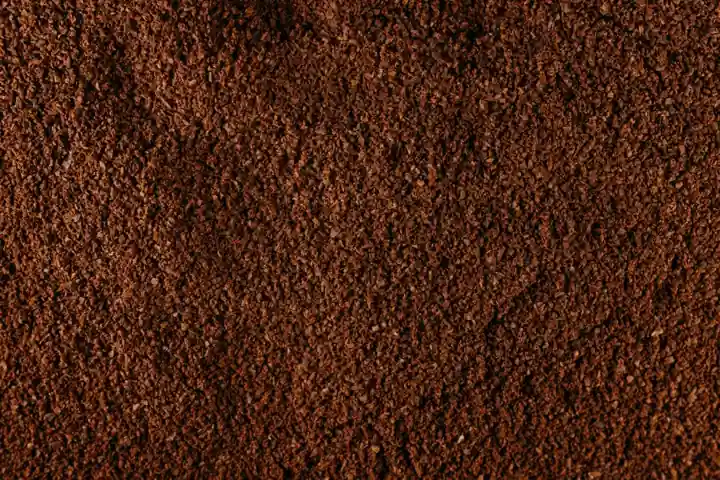
High-intensity rotor mixers provide rapid homogenization for high-volume green-sand lines, while roller mullers apply controlled kneading, compression, and shearing to develop bentonite and distribute moisture [S1][S2].
The correct choice depends on the sand recipe, required production rate, available floor area, and whether the objective is rapid blending or intensive conditioning before a resin sand line.
Mechanical Action and Sand Conditioning
Roller mullers condition green sand through the combined action of rotating muller wheels and plows. The wheels press the sand against the chamber wall, while the plows shear and blend the bed, breaking clay agglomerates, activating bentonite, coating grains, and distributing water [S1][S3].
A high-intensity rotor mixer attacks the same conditioning objective with a different force profile. One published comparison describes the rotor type as providing rapid, intensive mixing for high-volume lines, whereas the wheel type supplies the traditional kneading force needed for specific recipes [S2]. A planetary rotor configuration adds dual rotation and revolution, high-speed blades, and reduced mixing dead zones [S8].
The practical distinction is not merely rotational speed. A rotor machine is optimized to homogenize a continuous or high-throughput charge quickly, while a roller muller is specified where repeatable compression and shear are needed to develop the physical properties of the clay-water film around each grain.
Published Capacity and Power Comparison
Published equipment data show a clear scaling path for high-intensity green-sand mixers.
These figures are useful for initial comparisons, but a valid purchase specification still needs a supplier to confirm the actual sand recipe, duty cycle, moisture, and operating schedule.
Roller-muller capacity is less directly comparable because published models use different chamber configurations and process roles. The engineering test should be based on prepared sand per hour, batch size, and verified uniformity rather than a generic mixing-speed figure. Compare the rotor machine, a sand mixer, and the proposed muller using the same incoming sand and the same finished-sand acceptance criteria.
Criterion-Based Selection
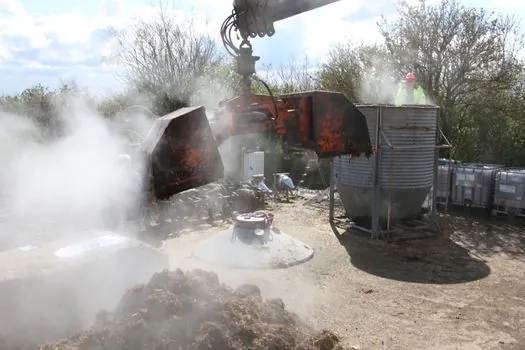
For recipe development, the roller muller is generally the safer choice when the process relies on heavy-wheel kneading to coat grains, disperse additives, and distribute moisture [S5].
For footprint and integration, a compact rotor unit may fit a continuous high-volume line more easily, but this cannot be inferred from throughput alone.
That comparison must include motor utilization, upstream feed equipment, downstream screening, dust collection, controls, and the operating hours for which the machine must remain available.
For lifecycle cost, use measured energy per tonne, not installed kilowatt rating alone. A muller can consume additional energy because the required work includes compression and binder activation, while a rotor machine can complete rapid homogenization with a different energy distribution. Demand two separate quotations using one defined sand specification and one production schedule.
Where Each Machine Fits
Specify a roller muller when green sand requires intensive conditioning, controlled kneading, or a specific binder-development result. The defining actions are grain coating, clump breakdown, additive dispersion, and moisture control, all performed by the wheel-and-plow arrangement described for high-intensity mullers [S1].
Specify a rotor mixer when the dominant requirement is rapid, high-volume homogenization, particularly for continuous molding lines. The automatic molding line must be able to receive a stable sand rate without starving or flooding.
Do not specify a rotor mixer as a substitute for a muller merely because it rotates faster. The rotor literature describes rapid homogenization, while the muller literature assigns distinct conditioning duties to compression and shearing [S1][S2]. Where bentonite activation and uniform clay coating determine green strength, validate the finished sand rather than relying on mixer type alone.
Controls, Acceptance Tests, and Failure Modes

A proper trial should compare the finished properties, not just cycle time. Test green strength, moisture distribution, permeability, flowability, compaction consistency, and sand-temperature behavior against a controlled specification. Properly conditioned sand is described as having even binder coating, broken clay clumps, distributed moisture, and repeatable compaction [S5].
Common failure modes differ by process. Inadequate mulling leaves clay agglomerates, weak coating spots, dry and wet zones, inconsistent permeability, and variable mold strength [S1][S5]. A rotor installation can develop dead zones if poor circulation leaves part of the charge insufficiently mixed; dual-motion rotor systems are specifically designed to reduce this condition [S8].
Clay lumps, dried additives, and uneven water distribution are more directly associated with insufficient mulling [S5]. An over-energized or badly controlled rotor process can also produce an unacceptable result if the recipe, rotor speed, retention time, and discharge consistency are not validated. Treat speed as a setpoint, not proof of adequate conditioning.
Sourcing and Procurement Specification
Write the tender around the material and measurable acceptance conditions. Define sand type, reclaimed-sand fraction, new-sand addition, bentonite and additive additions, target moisture, required throughput, operating hours, downstream equipment, and acceptable variation in green strength and permeability. The cited rotor models establish useful scale points, but none of the research provides a universal sand recipe or guaranteed finished-property tolerance [S2].
Require the mixer supplier to state working principle, rotor or wheel arrangement, disk or chamber size, rated capacity in t/h, feed capacity in kg, installed power in kW, control method, maintenance access, and dust-control interfaces. The published S1416, S1420, and S1425 data provide the format for comparison, not a substitute for a duty-cycle-based guarantee [S2].
For the final acceptance test, run each candidate machine with the same incoming sand, target moisture, additive sequence, throughput, and sampling plan. Record energy consumption per tonne and compare samples for clay coating, clump breakdown, green strength, permeability, and compaction consistency [S5].
The decision signal is straightforward: choose the rotor mixer when verified output rate and homogenization dominate the specification, and choose the roller muller when controlled kneading and clay activation dominate it.