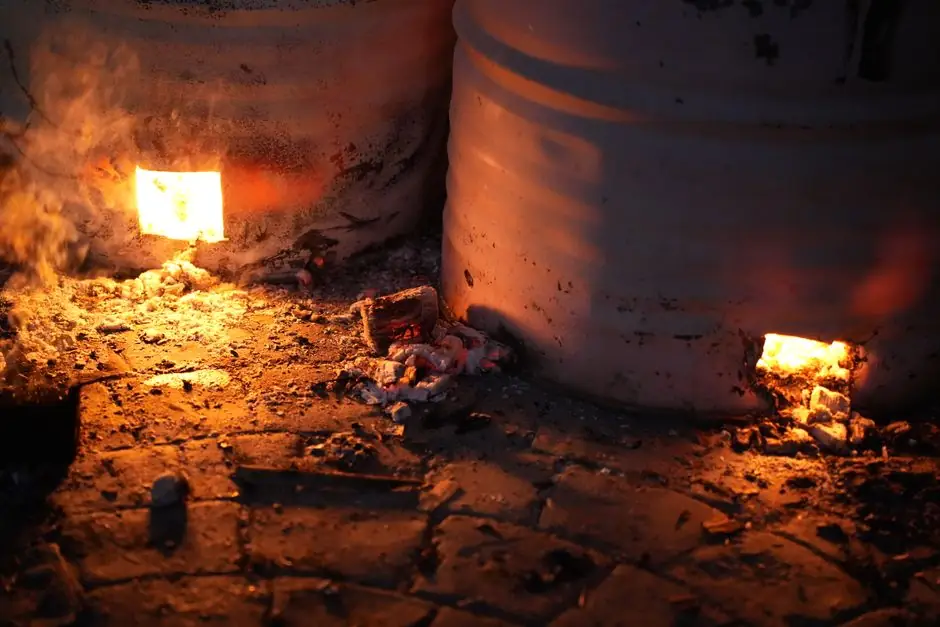
A refractory-lined steel shell gives a holding furnace a durable thermal barrier around a fixed refractory chamber, while a removable crucible design permits alloy changes, lift-out pouring, and simpler metal separation [S1][S6].
The decision is driven by operating temperature, alloy chemistry, usable capacity, charging method, pouring arrangement, heat source, maintenance access, and the need to maintain a constant casting temperature rather than maximize batch melting [S2][S3].
Define the operating duty before choosing the construction
Round, square, stationary, and tilting crucible furnaces support different capacity ranges, charging methods, and pouring workflows [S1]. These figures describe reported furnace classes, not a universal selection rule.
A fixed crucible furnace is primarily a holding or bale-out furnace in ingot and die-casting operations. It is also suitable for cold-charge melting, but holding pre-melted metal with automatic temperature control is the preferred duty because adding cold metal necessarily lowers the bath temperature and can impair casting quality [S2].
For specification work, document batch weight, melts per shift, alloy range, holding or melting temperature, temperature-change rate, charging method, fluxes, refining, dross removal, and emptying method.
Refractory-lined steel shell versus removable crucible
A refractory-lined steel-shell furnace places a large refractory chamber inside a structural steel enclosure. A crucible furnace instead puts the molten metal in a separate refractory or metal vessel, with graphite, silicon carbide, cast iron, special cast iron, cast steel, or sheet steel identified for different metal families and operating temperatures [S1][S2].
The comparison below separates the principal decision criteria rather than treating either construction as universally superior.
The steel shell is the structural enclosure in both common furnace arrangements, but the distinction is whether the refractory hot face forms a fixed chamber or a removable crucible. For more detail on the removable-vessel arrangement, see the crucible furnace reference.
Select the construction by service and production pattern
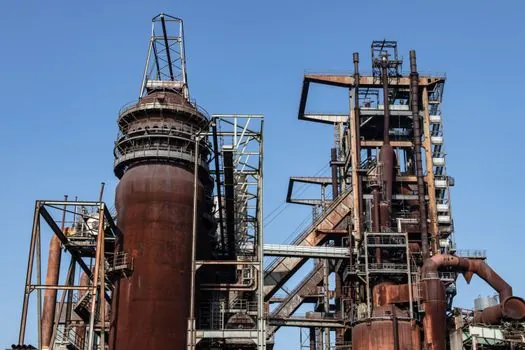
Use a fixed refractory chamber when the operation requires continuous holding, automatic temperature control, and a stable bath for die-casting or ingot production. Add pre-melted metal because cold additions cause a temperature drop, so the furnace should be sized around usable metal capacity, heel practice, melt losses, recharge time, and temperature-recovery time [S2].
Use a removable crucible when small batches, frequent alloy changes, or metal transfer justify removing the vessel. Published applications include non-ferrous batch melting for aluminum, copper, brass, bronze, zinc, and other metals, with round, square, stationary, and tilting arrangements selected according to capacity, charging method, and pouring workflow [S1].
A tilting design is appropriate when the furnace itself can pour into a ladle, mold, or transfer point. Its review must include pour height, spout position, receiving equipment, hydraulic system, operator visibility, and the complete tilt path. The related tilting versus lift-out comparison provides a separate check on handling and safety consequences.
Match crucible material to alloy and thermal cycling
Graphite crucibles are heterogeneous graphite-based composites whose performance depends on material composition and control of graphite structural alignment. Available forms include graphite with a glaze and clay-containing coating, silicon carbide, cast iron, special cast iron, cast steel, and sheet steel; the last two are particularly associated with magnesium and zinc applications in the cited foundry lexicon [S2][S3].
Selection must account for the alloy or alloy range, melting and holding temperatures, expected temperature-change rate, flux and additions, refining, slag or dross removal, contamination tolerance, and whether the vessel is fixed or removed for pouring [S3]. A material that performs well at a steady holding temperature may not tolerate rapid charging, thermal cycling, or aggressive fluxes.
Ceramic fiber construction heats faster than castable refractory in the cited forge comparison, but that comparison does not establish the same duty rating for a foundry holding furnace. A short heating cycle alone does not outweigh refractory life, thermal stability, chemical compatibility, or temperature-uniformity requirements [S4].
Compare heat source, output, and operating economics
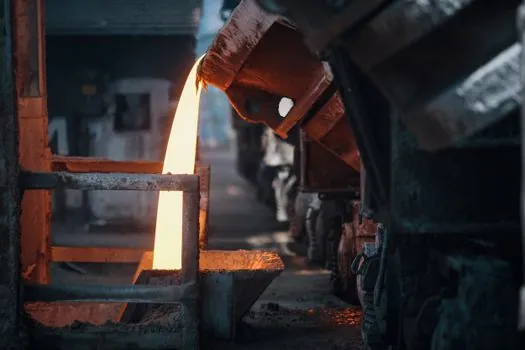
Gas or oil-fired crucible furnaces provide combustion heating, while electric resistance furnaces provide even, all-around heating to the crucible and suit precise temperature control in metal-holding applications [S2][S3].
These values are supplier-specific specifications, so they should not be transferred to a different furnace without confirmation [S2].
Compare the full operating profile rather than input price alone. The relevant variables include melt rate, holding duty, alloy, utility availability and cost, ventilation, burner or electrical-element maintenance, vessel replacement, refractory relining, and the operator time required for charging, skimming, and pouring [S1]. Electric heating offers precise control and clean operation, while gas heating can be attractive where fuel supply and heat input fit the production requirement [S1].
Plan for containment, maintenance, and operating failure
Refractory failure and metal containment are central design constraints because the vessel, support, heating system, controls, and insulation act as one system. A gas- or oil-fired crucible furnace may include a cylindrical refractory base, a bottom opening for emergency tapping after crucible breakage, a lined firing compartment, a swiveling lid, and an exhaust channel for flue-gas removal [S2].
Swiveling lids can reduce heat loss during holding, while venting flue gas through a hood above the crucible creates risk of melt contamination and a higher workplace pollution load. The arrangement that vents through the crucible edge is rarely used because of those exposure and quality concerns [S2].
For a fixed refractory-lined furnace, inspect the hot face, shell, support structure, expansion joints, heating elements or burner system, and temperature-control loop as a complete system. For a removable crucible, plan handling, inspection, storage, preheat, replacement, and vessel support. Never base purchase decisions on nominal vessel capacity alone: usable metal capacity, charging clearance, heel practice, charging method, and downstream pouring must be included [S1][S3].
Apply a practical procurement decision rule
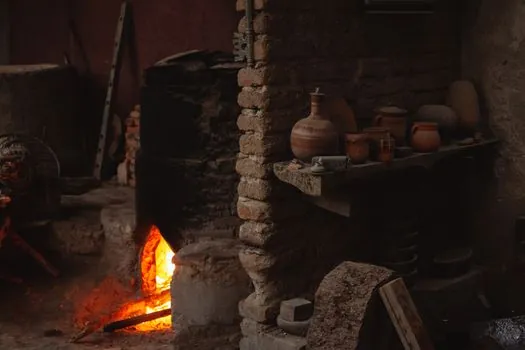
Specify a refractory-lined steel-shell holding furnace for stable, continuous non-ferrous holding where automatic control, a fixed bath level, and controlled casting temperature are the dominant requirements. Specify a removable crucible furnace for variable alloys, small batch work, frequent metal separation, or lift-out and tilting pouring, with crucible material selected against the alloy and thermal cycle [S1][S2][S3].
Ask each supplier for usable metal capacity, nominal capacity, working volume, expected batch weight, alloy range, holding temperature range, heat-up and recovery time, melting output, furnace mass, pouring method, refractory grade and thickness, crucible material and service life, lid or exhaust arrangement, utility demand, and maintenance access. Validate the proposal with production data on melts per shift, charge mass, alloy-change frequency, and receiving-ladle position before releasing the order.