Process engineers selecting weighing instruments for a 2026 batching line must match the device's rated temperature window to the actual service envelope: Sartorius hopper load cells carry a standard operating range of -30°C to +95°C with a purpose-built variant reaching +180°C [S3], while general-purpose bench electronic scales are typically specified for 32°F to 104°F (0°C to 40°C) [S7].
The decision cuts across both the structural scale type (electronic bench/floor scale versus tank-and-hopper weigh module) and the underlying load-cell class, since temperature drives drift, creep, and zero-shift in strain-gauge elements [S4]. The wrong pairing yields calibration loss within weeks, not months, and a maintenance bill that dwarfs the price difference between a $200 bench unit and a properly specified hopper weigh module.
Hopper Scale Architecture and Rated Range
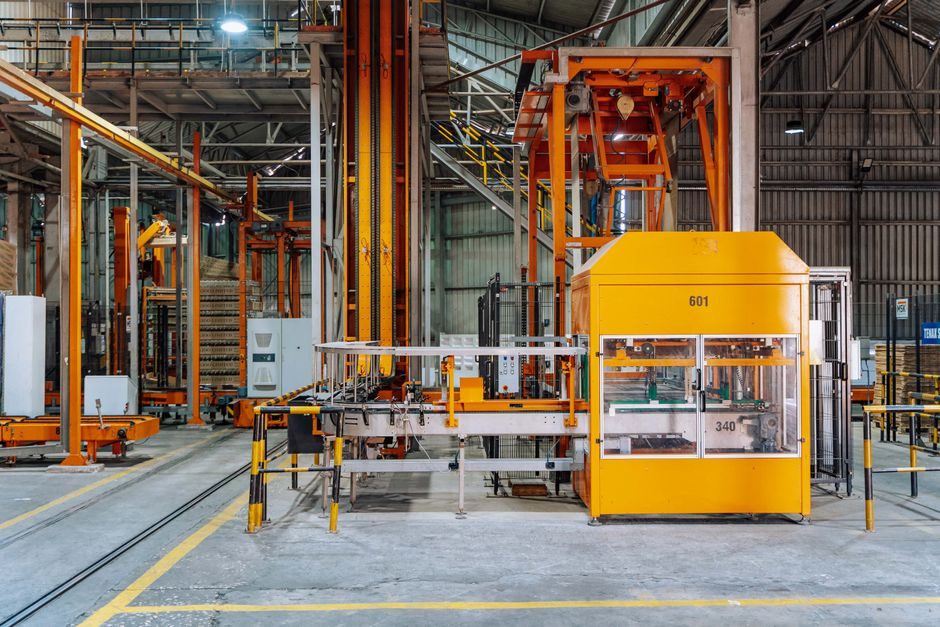
Hopper scales are weighing assemblies built around a containment vessel whose geometry is dictated by the physical properties of the bulk solid or liquid being held, and they typically use compression or suspended weigh modules with capacities from roughly 20 kg up to 30 tons [S8]. The weighing element is almost always a strain-gauge load cell whose compensated temperature range defines the practical envelope of the whole assembly, because drift outside the compensated band cannot be calibrated out in software.
NIST guidance on electronic/digital indicating hopper scales emphasizes that selection, configuration, and acceptance testing must be addressed holistically rather than treating the vessel, the load cell, and the indicator as independent purchases [S1]. In batching skids that integrate a PLC recipe controller, the scale's temperature class also bounds the recipe's allowable process ramp, so a -10°C cold-ingredient step forces a hopper-scale choice, not a bench-scale retrofit.
Bench and Floor Electronic Scale Temperature Envelope
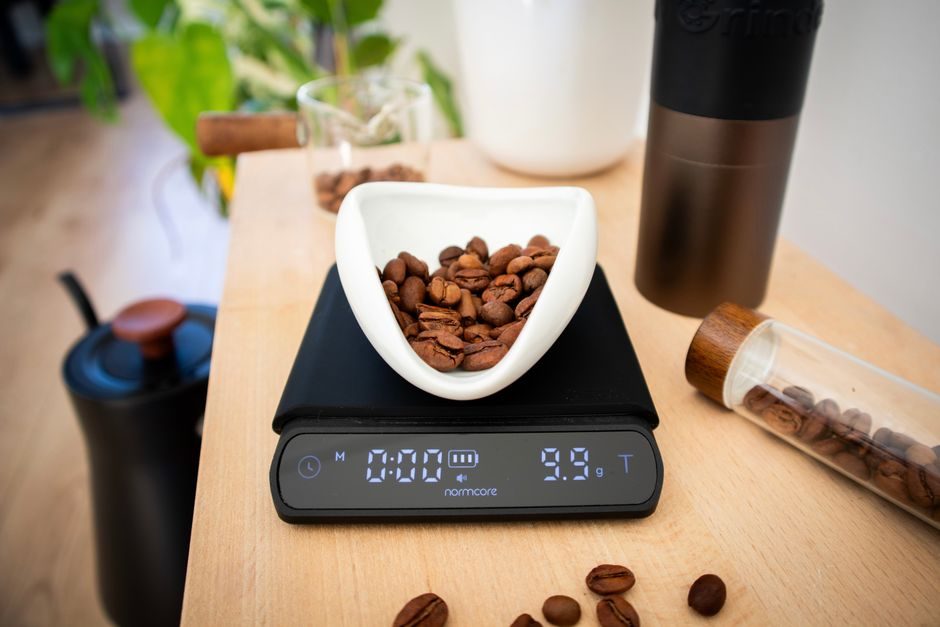
Stand-alone electronic scales use load cells or force-sensing elements that share the same strain-gauge physics as hopper weigh modules but in a smaller, factory-sealed package, and the industry default operating window is 32°F to 104°F [S7]. Outside that band the internal electronics suffer sluggish response and condensation-driven drift, with cold air in particular attracting moisture into the housing and onto PCB surfaces [S6].
These compact instruments target laboratory, kitchen, and light retail use rather than process service, and they lack the mechanical isolation features (limit stops, hold-downs, bumper checks) that industrial hopper installations require to keep side-loads and thermal expansion off the cell [S9]. Picking a bench scale for a hot-process duty is a recurring source of zero-shift complaints because the housing cannot dissipate the heat the way a properly sited compression load cell can.
Selection Criteria for Temperature-Limited Service

Four parameters govern whether an electronic scale or a hopper scale fits a hot or cold duty: rated cell temperature window, vessel/structure mass and thermal expansion behavior, ingress protection, and the presence of mechanical limit stops to absorb thermal growth without loading the cell. Sartorius documents that its standard tank/hopper cells span -30°C to +95°C, with a special model rated to +180°C for hot-bitumen, asphalt, and similar elevated-temperature services [S3].
For outdoor or wash-down installations, the same vendor rates the cell for 1.5 m water immersion for 10,000 hours, which closes the loop on ingress when the surrounding vessel is also sealed to IP66 or better [S3]. Batching systems that meter material through an industrial valve and rely on a pressure sensor for level cross-check should align the scale's temperature class with the valve and sensor ratings, since the weakest link in a serial chain dictates the maintenance interval.
Comparison: Electronic Bench Scale vs Industrial Hopper Scale
Lining the two architectures against the criteria a process engineer weighs in practice: [S1]
- Rated temperature window: bench electronic scale typically 0°C to 40°C (32°F to 104°F) per [S7]; industrial hopper scale with standard cell -30°C to +95°C, special cell to +180°C per [S3].
- Capacity: bench units top out in the low hundreds of kilograms; hopper weigh modules cover 20 kg to 30 tons per the [S8] mounting tables.
- Mounting: bench units are free-standing; hopper scales use compression modules, tension hanger modules, or self-checking sliding-pin assemblies such as the EZ Mount 1 Series, which integrates temperature compensation into the pin geometry [S2].
- Mechanical protection: hopper scales add limit stops, hold-downs, and bumper checks to decouple thermal growth and side-load from the cell [S9]; bench scales do not.
- Service environment: bench scales target indoor controlled-climate use [S7]; hopper scales are designed for wash-down, outdoor, and process-side mounting [S3][S8].
Failure Modes Driven by Temperature

Three failure signatures dominate the field data: zero drift from strain-gauge temperature-coefficient mismatch, creep where the cell slowly walks off zero under sustained load at elevated temperature, and signal irregularities from rapid thermal cycling [S4]. Cold environments add a fourth mode in the form of condensation on PCB and connector surfaces, which has been documented as a cause of fluctuating readings on otherwise healthy electronics [S6].
The mitigation in every case is to specify a cell whose rated window brackets the actual service band with margin, then verify the installation with the test procedures NIST recommends for electronic/digital indicating hopper scales [S1] before the line is signed off. A quarterly zero/span check costs fifteen minutes; a recall of an out-of-spec batch costs the entire lot.
Who the Two Scale Types Are For
Electronic bench and floor scales fit laboratory QA, packaging line check-weighing, and any indoor cell where the ambient stays inside 0°C to 40°C and the load stays under a few hundred kilograms [S5][S7]. They are the wrong tool for outdoor service, hot-process batching, or vessels larger than a process operator can wheel into position.
Hopper scales are for any in-line batching, blending, level-by-weight, or bulk inventory duty that demands a fixed vessel, multi-ton capacity, and a process-side temperature class [S1][S2][S8]. The EZ Mount 1 Series, for example, targets process control and vessel weighing across batching, blending, and bulk inventory applications using a temperature-compensating sliding-pin design [S2].
Sourcing and Standards
The factual floor for this comparison rests on NIST's hopper-scale selection document [S1], vendor-published temperature ratings for industrial load cells [S3], vendor mounting and application notes for hopper weigh modules [S2][S8], and field-experience writeups on temperature-driven load-cell failure modes [S4][S6]. Designers should verify the local code (legal-for-trade, hazardous-area, or food-grade requirements) against the chosen cell's certificate rather than against a generic data-sheet headline.
The next trackable signal is the publication of revised NIST Handbook 44 provisions for electronic indicating hopper scales, which historically set the accuracy class and influence how vendors publish their -30°C to +95°C and +180°C windows; engineers should re-check the 2026 revision status before locking a spec. A second signal is the rollout of self-checking sliding-pin modules such as the EZ Mount 1 Series at additional capacities, which would shift the decision matrix for new batching skids in 2026 [S2].