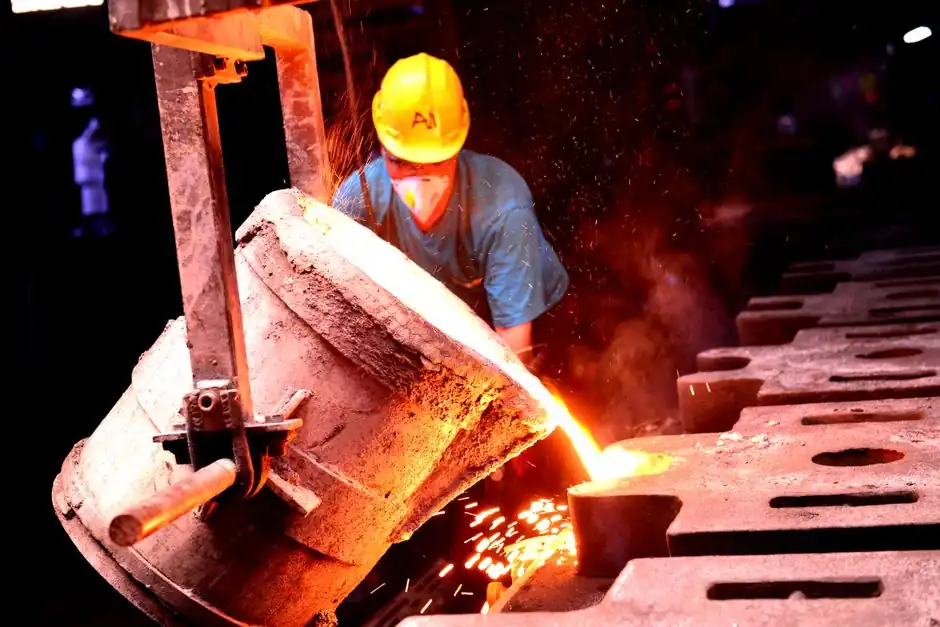
Hot-chamber die casting requires alloy, gooseneck, chamber, and die temperatures to remain within defined operating ranges because a small fluctuation can damage tooling or create casting defects [S2][S3].
The method is most practical for low-melting-point alloys, especially zinc, and its metal reservoir is integrated with the machine so molten material can move directly through the gooseneck into the die [S1][S5].
Why Hot-Chamber Temperature Accuracy Controls Casting Quality
Die casting combines high-speed injection, rapid solidification, and reusable steel tooling, so temperature is a process variable rather than an auxiliary setting. Molten metal must remain fluid enough to fill thin walls and detailed features, while the die must stay warm enough to avoid premature cooling and misruns [S1][S3].
The required control envelope includes the alloy, die, and machine or casting chamber. These temperatures have different functions and cannot be treated as one interchangeable measurement. Monitoring them separately allows operators to correct a feed, furnace, or mold-temperature problem rather than compensating for all three with a single injector or holding-furnace adjustment [S2][S3].
The die, casting chamber or machine, and alloy temperatures must be kept within their individual optimum ranges to produce high-quality die-cast parts [S3]. This is a starting relationship, not a universal setpoint: alloy chemistry, die design, and part geometry still determine the qualified operating window [S3].
Three Temperature Loops That Must Be Coordinated
The alloy loop governs fluidity, fill behavior, and thermal load. The die loop controls cooling rate, flash, dimensional repeatability, and die life. The temperature of the die-casting machine or casting chamber should be closely monitored [S3].
Temperature control is not only about absolute metal temperature. A die that is too cold can cause the alloy to solidify before complete cavity filling, producing misruns or porosity. Molten metal that is too hot for the die can accelerate thermal damage and shorten tooling life [S3].
The hot chamber die casting machine must therefore coordinate furnace control, gooseneck heating, injection timing, and mold heating or cooling. Even slight temperature fluctuations can cause major damage and defects, making reliable temperature control important for uniform, high-quality cast parts and cycle times [S2].
Comparison of Control Methods and Decision Criteria
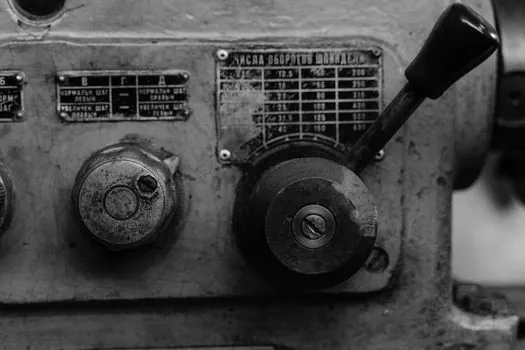
Control architecture, sensor placement, and thermal response should be compared by four criteria: what the system measures, how quickly it corrects deviation, how it interacts with the die, and whether operators can preserve a traceable process record. [S2]
Absolute sensor accuracy alone does not establish process accuracy. Placement, sensor type, calibration, signal filtering, control response, and repeatability across the operating range all affect whether a displayed temperature represents the casting process. The die, die-casting machine or casting chamber, and alloy temperatures must be closely monitored and kept within their individual optimum ranges to produce the highest-quality die-cast parts [S3].
Alloy and Part Fit: Zinc, Magnesium, and Aluminum
Hot-chamber die casting is commonly used for metals with lower melting points, particularly zinc alloys, whereas cold-chamber die casting is primarily used for high-melting-temperature metals such as aluminum because hot-chamber casting cannot accommodate high-melt-temperature metals without thermal stress and erosion [S5]. A hot-chamber machine can run low-melt alloys, but using it for higher-melting-point metals can rapidly deteriorate the equipment [S5].
The comparison is practical rather than absolute. Small, intricate, high-volume zinc parts are a common fit for the hot-chamber route because zinc combines fluidity with low-melting-temperature processing, while aluminum parts generally require the cold chamber machine configuration [S5][S6]. Magnesium can be die cast by high-pressure die casting [S5].
Alloy selection also changes the acceptable temperature-control regime. As temperature rises, tensile and yield strength generally decline, while ductility increases, although the magnitude varies by alloy [S3]. The zinc die casting machine must therefore be evaluated through the alloy supplier’s qualified pouring range and the die’s thermal profile, not through one universal metal setpoint.
Symptoms of Poor Temperature Coordination
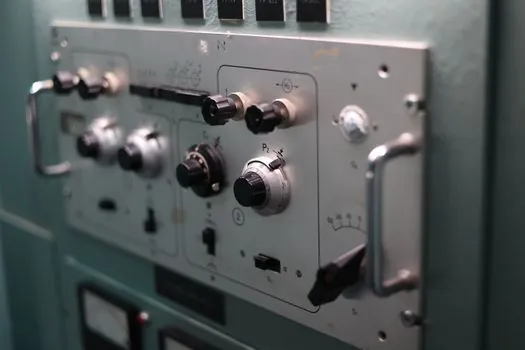
The clearest warning signs occur in both product quality and equipment condition. Misruns indicate incomplete filling and can result when metal cools too quickly in a cold die. Porosity can accompany premature solidification or air entrapment, while rapid high-speed filling can also trap air in the cavity [S1][S3].
Excess metal temperature relative to the die increases thermal loading and can damage the tool. If the molten metal is too hot for the mold, it can damage the mold, while an excessively cold die can cause the metal to cool too quickly and produce defects [S3].
Control failure can also appear as unstable cycle time. Historical temperature control was operator-dependent, using alloy color, flow, and die-spray behavior as indirect cues; electronic die-temperature systems replaced some of that guesswork by monitoring defined points [S2]. If readings become noisy, delayed, or inconsistent, the control loop can chase a measurement error and create process movement that the metal never experienced.
How to Qualify Accuracy on the Production Machine
Begin with a documented baseline for alloy, gooseneck, chamber, and die temperature. Verify each sensor against a suitable reference, document its location, and confirm that the reading changes within an appropriate response period when the controlled system is deliberately adjusted [S2]. Accuracy claims should identify the measured point, range, resolution, and calibration method rather than advertise a single unqualified number.
Then verify performance with production geometry. Small laboratory shots do not establish control performance for a large, thin-wall casting because die mass, surface area, runner length, and alloy exposure differ. The machine should be tested at the intended shot rate and production cycle, with surface quality, fill condition, dimensions, cycle time, and die condition recorded against the temperature history [S1][S2].
For thermal-media selection, the relationship between oil, water, control range, and hot-chamber zinc tooling is covered in Oil vs Water TCU Media for Hot-Chamber Zinc Dies. That decision matters because the temperature-control unit cannot be evaluated independently of the alloy, die geometry, and required thermal response.
Limits of Generic Accuracy Claims
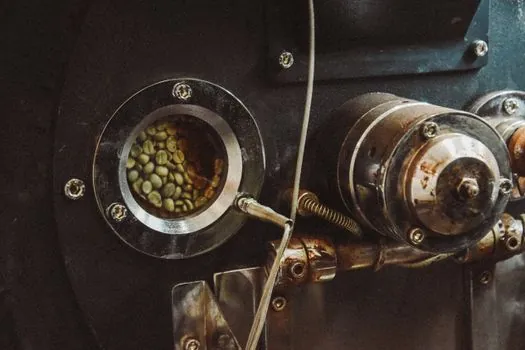
Accuracy claims are meaningful only when tied to a controlled variable and operating range. A thermocouple reading does not establish the temperature of every part of the casting, and a high-resolution display does not compensate for poor sensor placement or slow thermal response [S2]. The reviewed sources establish that alloy, chamber, and die temperatures must be controlled independently, but they do not provide a universal accuracy tolerance for all hot chamber die casting machine configurations.
Hot-chamber performance also has an inherent boundary. The integrated reservoir and gooseneck improve metal availability and cycle efficiency for low-melting-point alloys, but continuous exposure to molten metal creates thermal-stress and erosion concerns. This is why a hot-chamber machine is not a universal substitute for a die casting machine using a cold chamber [S5].
For procurement, require the supplier to define sensor type and quantity, measurement locations, displayed resolution, calibration procedure, control-loop response, data retention, and acceptable limits for each qualified alloy. The operating objective is not the smallest displayed deviation; it is stable die filling and repeatable parts across the complete production cycle.
The next trackable checks are a documented alloy-temperature envelope, verified calibration records for every control point, and logged die-temperature variation across at least one production run. Those records will show whether the machine controls metal temperature or merely displays it.