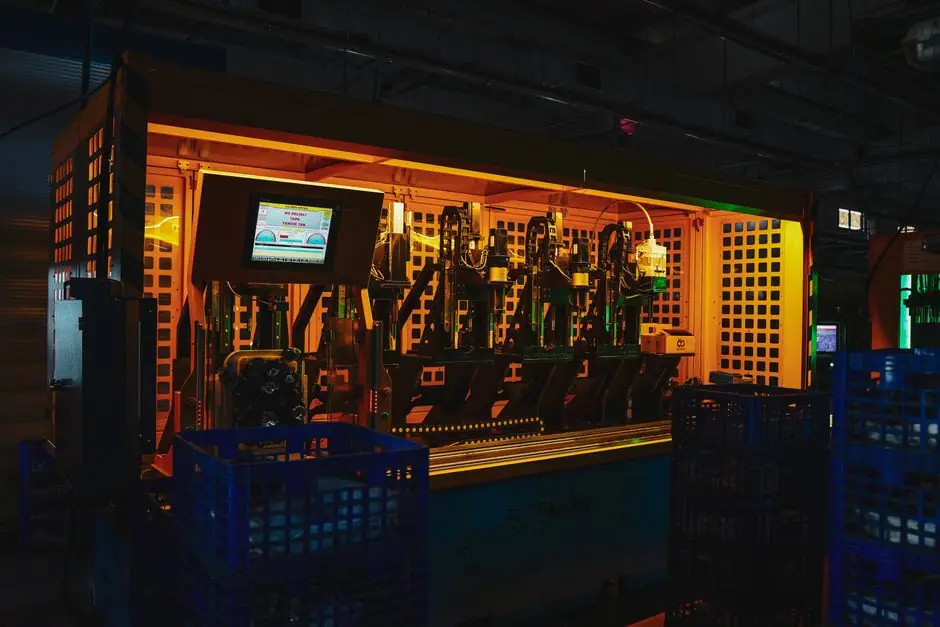
In zinc hot-chamber die casting, the pressure chamber is immersed inside the crucible containing molten metal [S1].
A hot chamber die casting machine integrates melting, injection, and mold closing for low-melting-point zinc, magnesium, lead, and tin alloys, making crucible and gooseneck temperature control a machine-level requirement rather than a furnace accessory [S3].
Crucible Temperature Defines the Zinc Injection Window
In the hot-chamber process, the pressure chamber is immersed inside the crucible, and the LH-HC-450T injects molten metal directly into the mold cavity through the gooseneck and nozzle [S1][S3].
Zinc suits hot chamber processing because its low melting temperature and low attack rate on iron and steel support faster, more economical casting than processes for higher-melting-point alloys [S4]. The zinc die casting machine therefore depends on short, repeatable thermal paths from the crucible to the shot, rather than on transferring metal manually from a separate furnace [S4].
Closed-Loop Heating Must Cover Crucible and Gooseneck
Crucible control should measure the process metal rather than infer its condition from heater output alone, because the immersed gooseneck and pressure chamber create a continuously heat-wetted path between the furnace and nozzle [S1].
The LH-HC-450T has an insulated molten crucible and a precise temperature-control system [S3]. The LH-HC-450T features an insulated molten crucible, a directly immersed hot-chamber injection mechanism, and a precise temperature-control system [S3].
Control performance should be judged by measurable stability at the metal, not by furnace setpoint resolution alone. Practical acceptance records should capture metal temperature, setpoint deviation over time, heater duty, gooseneck temperature, and variation between successive shots. A control system that holds the crucible near its operating value while the gooseneck cools after each cycle can still create fill or freezing defects.
Compare Heating, Sensing, and Injection Architectures

The decisive comparison is not electric versus gas heating by label, but whether the system controls the full molten-metal path and supplies enough stored heat for repeatable cycles. Hot chamber architecture removes the separate ladle-transfer step by connecting the molten supply directly to the machine [S5].
This makes the cold chamber machine a weak benchmark for routine zinc production, although it remains relevant for higher-melting-point alloys. For zinc, the key selection test is stable delivery from the heated crucible through the gooseneck to the mold, with less transfer handling than a cold-chamber route [S5].
Use Cases Favor Small, Detailed Zinc Components
Hot-chamber die casting supports rapid, high-volume production of complex parts with intricate detail, tight dimensional tolerances, excellent surface finish, and wall thicknesses of 1 mm or even 0.5 mm over large areas [S4]. Zinc die casting can produce wall thicknesses of 1 mm or even 0.5 mm over large areas, while reported die lives range from 5×10^5 to 2×10^6 shots [S4].
These parts benefit from rapid cycles when their geometry is thin, detailed, and produced in repeatable quantities [S2][S4].
Zinc die casting can rapidly produce complex parts with intricate detail, tight dimensional tolerances, excellent surface finish, and die lives of 5×10^5–2×10^6 shots [S4].
Separate Metal Heat from Die Thermal Management

The crucible controls the zinc temperature, but it does not replace mold heating or cooling. A hot-chamber die-casting machine has an injection mechanism, including the gooseneck and plunger, immersed in a molten-metal bath within an integrated furnace [S3]. The die, gooseneck, and crucible each require separate temperature observations because a stable metal bath does not guarantee a stable cavity condition.
For comparison, die lives of 5×10^5 to 2×10^6 shots demonstrate the economic value of protecting tooling from thermal cycling and excessive stress [S4].
The oil versus water TCU media for hot-chamber zinc dies comparison provides a separate decision path for selecting the circuit medium used around the die. That choice should not be confused with the metal-temperature loop, and crucible control records should remain independent from mold coolant or heating-oil data.
Common Failure Modes Trace Back to Unstable Heat
Rapid freezing in the gate is a primary filling failure because the metal must remain fluid until the cavity is completely filled, and the relevant interval is measured in milliseconds [S1]. A gooseneck or nozzle cooler than the crucible can become a local chilling point, while excessive heat may increase oxidation and inclusions, which a hot chamber arrangement is intended to reduce [S1][S3].
Other warning signs include shot-to-shot temperature variation, prolonged heater duty, excessive furnace temperature swings, condensation on exposed components, abnormal nozzle residue, and inconsistent casting weight. The documented advantages of reduced porosity, repeatability, longer die life, and less metal waste describe the outcomes that stable temperature control supports, not guaranteed results independent of die design and process settings [S2].
Inspection should also distinguish thermal instability from mechanical or tooling problems. Platen alignment, injection rise time, shot capacity, and clamping capacity can alter fill and flash independently of crucible temperature. A control panel that changes heater output but provides no metal-temperature trend, alarm history, or gooseneck measurement is not enough to diagnose a zinc temperature failure.
Specify Control Performance as Testable Data

The equipment requirement should name the 400 °C zinc operating condition as the process basis, then define the measurement points and acceptance limits around the alloy specification [S1]. A procurement specification should identify the sensor type, control output, heating capacity, insulation arrangement, alarm behavior, and whether the gooseneck and nozzle receive monitored or separately controlled heating [S3].
For electrical hardware, request full operating range, control resolution, repeatability, power supply requirements, heater layout, thermocouple connection details, and fail-safe actions for loss of sensing, high temperature, and power failure. These items connect the general requirement for a precise temperature-control system to the plant’s actual installation and maintenance plan [S3].
Commissioning should verify the metal-temperature reading against a calibrated reference, test sensor redundancy where fitted, record stabilization time after startup, and log at least one full production sequence. The audit trail should include the 400 °C reference, around 30 MPa injection pressure, heater response, measured deviations, and any excursion alarm settings [S1]. For production cells, servo hydraulic control behavior can be assessed separately through PLC versus servo hydraulic motion.
Track two signals at the next production review: deviation between calibrated metal temperature and the crucible setpoint, and the number of aborted or defective shots following temperature alarms. These records directly test whether the integrated crucible and injection architecture preserves the documented 400 °C zinc condition through the gooseneck and nozzle [S1].