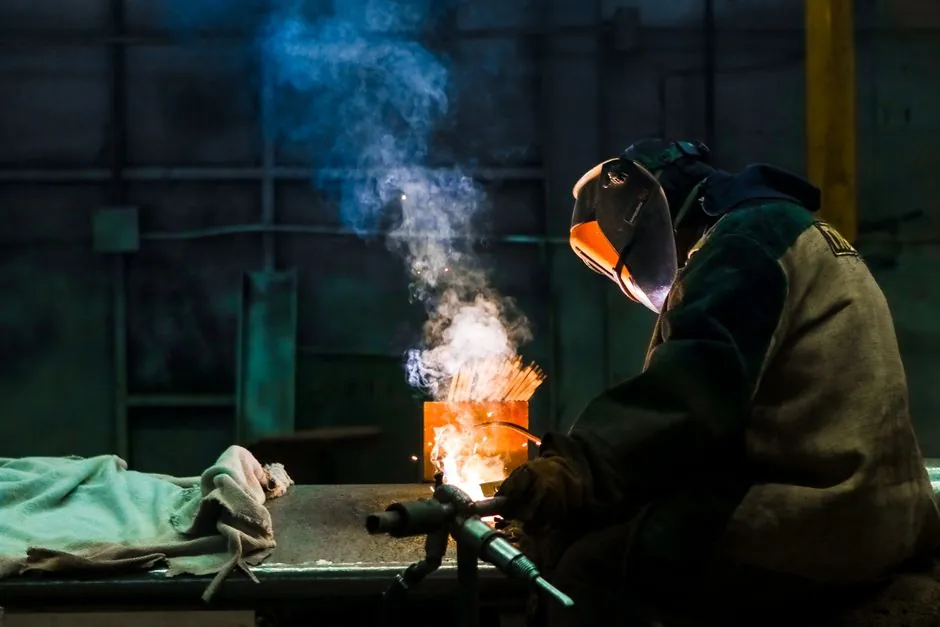
Hot chamber die casting must prevent molten metal splash by combining machine guarding, controlled dosing, verified metal temperature, and PPE selected for thermal and splash exposure.
Documented die-casting hazards include burns from molten metal, hot castings, hot oil, and die-casting tooling, as well as cuts, abrasions, slips, falls, sprains, strains, and fractures [S5].
Where Molten Metal Splash Can Escape
Hot chamber equipment integrates the furnace or holding system with the casting machine, so molten metal remains available close to the injection mechanism and the die [S3][S7]. In operation, the molten metal fills the hot chamber, and a plunger forces it through the nozzle into the mold, so an abnormal dosing movement or blocked flow can discharge metal outside the intended cavity [S3].
The documented injury mechanisms include burns from molten metal, hot castings, hot oil, and die-casting tooling; cuts and abrasions from castings and flash; slips and falls resulting from poor housekeeping; and sprains, strains, and fractures caused by work conditions or unsafe acts [S5]. These mechanisms differ from the operator-contact hazard created by hot castings, hot oil, and heat from tooling, but they can occur during the same production cycle [S5].
For a hot chamber die casting machine, each route requires its own containment, inspection, and shutdown control.
Guard the Injection, Die, and Access Points
Safety guard doors are specified to prevent liquid-metal splashing and injury accidents during die casting while reducing their occurrence, so the guarding arrangement must remain functional throughout the cycle [S6]. A guard is not a substitute for safe setup: the correct die and mold must be mounted, the machine must be in its specified condition, and molten metal must be available before production begins [S4].
Safety guard doors can prevent liquid-metal splashing and injury accidents during die casting and can reduce their occurrence [S6]. NADCA publishes machine-safety requirements for new and rebuilt high-pressure die-casting machines, along with a safety-signage booklet for warnings around machines and ancillary equipment [S5].
SEMMPF324 requires operators to cast the die/mould safely in accordance with specified company procedures and to return surplus metal to the collection point or dispose of it safely [S4].
Control Dosing, Temperature, and Die Condition
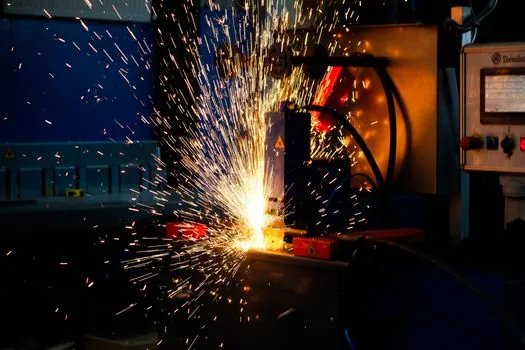
Metal temperature must be checked before castings are produced, and production must follow the approved company procedure rather than an informal operator judgment [S4]. A hot chamber machine commonly handles lower-melting-point zinc, magnesium, and tin alloys, while aluminum alloys are normally associated with cold-chamber equipment because the furnace and machine are separate [S3].
Dosing control must address both the command and the resulting travel. Unexpected dosing is identified as a major hazard [S1], so operators should verify the selected shot size, dosing path, machine limits, and die condition before releasing the first shot. The die must be free from damage or non-conformance that could impair production, and the machine must be confirmed as properly set [S4].
Die condition matters because a worn or blocked flow path can turn the next injection into a spill or ejection event. Before production begins, check that the correct die/mould is in place, that the die/mould is undamaged and has no non-conformance that could impair casting quality, that the machine conditions are set, and that molten metal is available [S4].
Specific temperature limits and dosing tolerances should come from the alloy specification and approved work instruction. The cited competency standard requires a metal-temperature check before production but does not supply a universal set-point for every alloy [S4]. Temperature control must therefore be tied to the material specification rather than copied between zinc, magnesium, tin, or aluminum jobs.
PPE Must Match the Exposure
Aluminized apparel is used for protection against radiant heat, molten splash, and other thermal hazards, while heat-resistant gloves and mittens protect the hands from hot surfaces and metal [S2]. Aluminized apparel protects against radiant heat, molten splash, and other thermal hazards, while heat-resistant gloves and mittens protect the hands [S2].
Protective clothing must be selected for the metal being cast and the task being performed. A garment suitable for radiant heat is not automatically suitable for direct contact with molten metal, and heat-resistant gloves do not remove the need for face protection, guarded access, or machine isolation.
PPE is the final barrier, not the primary control. The documented hierarchy still requires guarded machine operation, correct setup, maintained hydraulic systems, and safe work practices; NADCA links burns from molten metal, hot castings, hot oil, and tooling with the wider injury profile in die casting [S5].
Compare Controls by Failure Mode
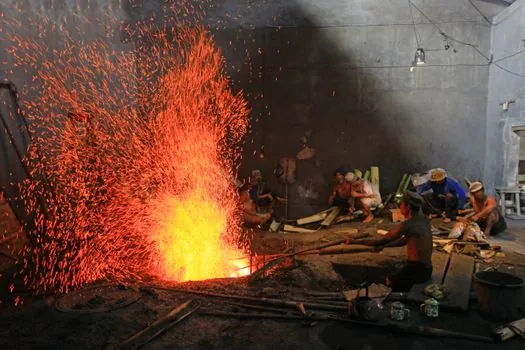
The main controls target different failure modes and should not be treated as interchangeable. Guarding contains discharge from the injection and die area, dosing control prevents unintended metal movement, temperature verification reduces deviation from the approved process, and PPE limits injury if containment fails. [S4]
Prepare for Leakage, Die Spitting, and Fire
A hot chamber machine must have a response plan for the three documented abnormal conditions: unexpected dosing, die spitting, and molten-metal splashing [S1]. Hydraulic-fluid leakage adds a separate ignition hazard, so the plan must identify how to stop the machine, isolate energy, keep personnel out of the discharge path, and summon the appropriate emergency response without creating a second exposure.
Housekeeping is a direct control because poor housekeeping contributes to slips and falls in die-casting environments [S5]. Excess metal, flash, hot castings, tools, and contaminated work surfaces should be removed or contained without obstructing access to guards, emergency stops, drainage routes, or firefighting equipment. Surplus metal not required for production must be returned to the designated collection point or disposed of safely [S4].
The working area must also be left in a safe condition at completion [S4]. That means confirming that dosing and motion are stopped, residual energy has been controlled, hot components have been handled according to the site procedure, and unresolved defects have been reported rather than concealed or bypassed [S4].
Apply the Controls by Production Phase
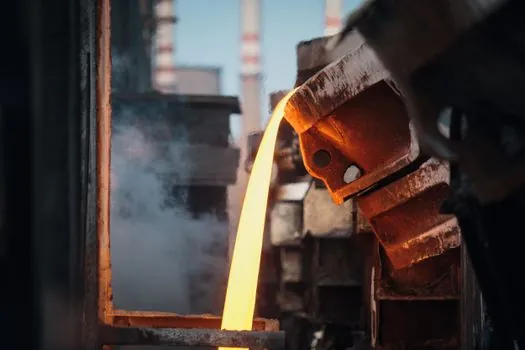
Before starting, confirm the correct die and mold, inspect for damage, verify the machine setup, check metal temperature, and ensure the guard system operates correctly [S4]. Inspect the nozzle and dosing path, remove trip hazards, confirm suitable PPE, and identify where excess metal will be returned or safely disposed of [S2][S4].
During the cycle, operate controls according to approved procedures, remain alert for changes in casting condition, and respond promptly to abnormalities [S1][S4]. A sudden change in shot behavior, repeated incomplete fills, abnormal valve action, or evidence of leakage should trigger controlled shutdown and investigation rather than an attempt to clear the obstruction while the system remains pressurized.
During setup, maintenance, or die change, machine motion and hazardous energy must be controlled before personnel enter the guarded zone. The relevant operator competencies include safe equipment preparation, safe manipulation of machine controls, prompt problem handling, and escalation of issues outside the operator's authority [S4]. For detailed selection of the shot sleeve, the material compatibility and dimensional condition of the dosing component must be treated as part of splash prevention, not only shot quality.
Who the Safety Plan Fits
The controls are intended for production operators, setup technicians, maintenance personnel, supervisors, and machine builders responsible for new or rebuilt equipment. NADCA's machine-safety standard covers the latter group, while its orientation material addresses personnel working in die casting environments [S5].
The plan is not suitable as the sole control for an operator handling an open ladle, performing an unauthorized intervention inside the guarded zone, or operating a machine with an unexplained dosing fault. Hot chamber work is not the correct process choice when the required machine and alloy arrangement cannot be verified; hot chambers are intended for low-melting-point alloys such as zinc, magnesium, and tin [S3].
The responsibility extends beyond PPE. SEMMPF324 requires safe work throughout pressure die-casting activities and assigns responsibility for personal safety and the safety of others, while also requiring unresolved production problems to be reported to the appropriate personnel [S4].
Auditable Safety Indicators
An effective splash-control program can be checked through concrete operating records. Operators must record or verify the metal-temperature check before production, confirm the correct die and mold, document safe completion of the work area, and report unresolved faults outside their authority [S4].
Machine-level checks should cover guard function, hydraulic-fluid leakage, dosing response, nozzle condition, and die or mold damage. The minimum documented control set should cover 5 items: metal temperature, die condition, guard operation, hydraulic leakage, and dosing abnormality. These records create trackable evidence without treating the hot chamber machine as a black box whose safety depends entirely on operator reaction after a splash begins.
The final decision is straightforward: do not run a hot chamber machine with an uncertain guard, uncontrolled dosing fault, damaged die path, unverified metal temperature, or unresolved hydraulic leak. Stop, isolate, make the area safe, and correct the condition under the approved procedure.