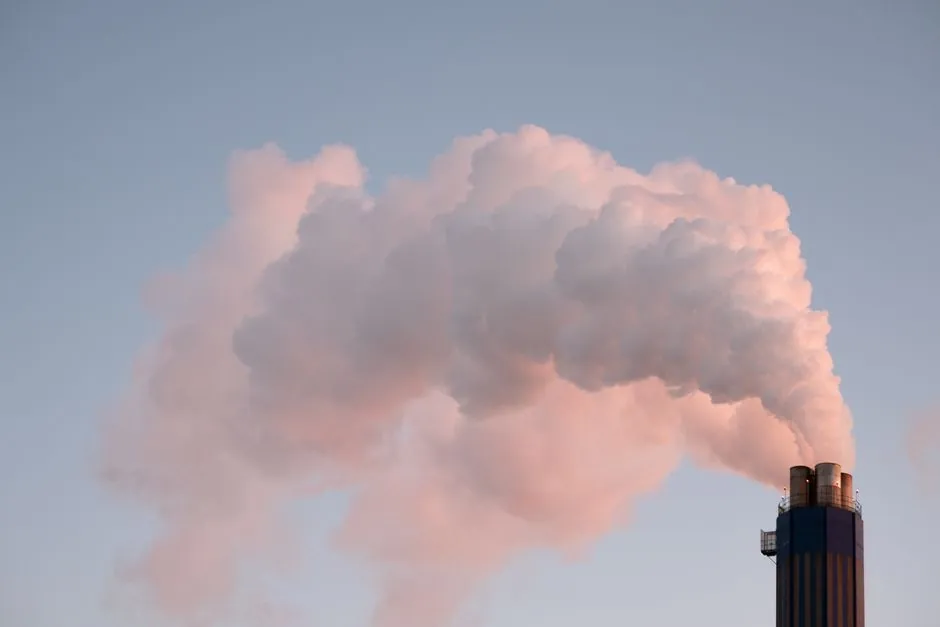
A March 31, 2012 explosion and fire at Evonik's Marl, Germany, plant compromised a significant portion of global PA-12 production capacity [S4].
The incident demonstrates how a concentrated upstream failure can transmit through just-in-time manufacturing, affecting fuel and brake lines, vehicle plants, and suppliers across the United States, Europe, and Asia [S4].
Why one plant loss becomes a global shortage
The March 31, 2012 explosion and fire at Evonik's Marl, Germany, plant affected a section producing two chemicals used to manufacture nylon 12 and compromised a significant portion of global PA-12 capacity [S4]. The affected material was PA-12, a nylon compound selected for plastic fuel lines and brake lines because it withstands heat and resists corrosive gasoline additives [S4].
PA-12 was not limited to automotive service parts. It was also used as a coating for plastic pipes, in solar panels, offshore pipelines, sporting goods, and household goods [S4]. That application breadth multiplied the number of buyers competing for the remaining production.
The supply-chain mechanism is straightforward: fewer qualified producers remove disproportionate capacity, automotive customers draw down stocks, and just-in-time assembly converts a chemical interruption into production-line risk. This is concentration, not a physical shortage of every resin.
The upstream failure that stopped resin production
The March 31, 2012 accident killed two employees and affected production of two chemicals that feed into PA-12 manufacture [S4]. Evonik stated that three months would be needed to resume normal production [S4].
PA-12 production is described as a complex manufacturing process producing highly engineered materials that are not easily replaced [S4]. A nominal restart date therefore does not guarantee immediate market recovery: reactor conditions, qualification, yield, material availability, and downstream processing can extend the practical recovery period.
PA-12 versus engineering-grade alternatives
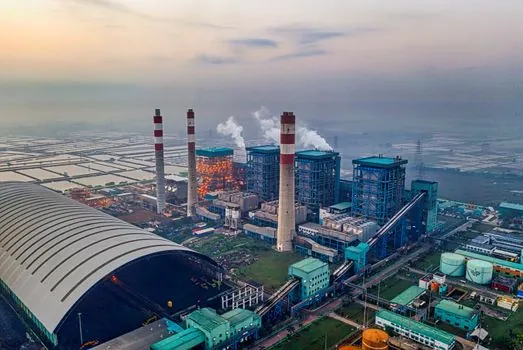
PA-12 was difficult to displace because automotive fuel systems require resistance to heat and corrosive gasoline additives, properties cited for the compound's use in plastic fuel and brake lines [S4]. A material substitution therefore had to be more than a commercial replacement; it had to preserve the same wear performance and fuel-system compatibility [S4].
The industry response had four measurable elements: stretch existing PA-12 supply, identify alternative materials, test new solutions, and verify that each candidate endured equivalent wear [S4]. About 200 representatives from auto suppliers and major automaker executives convened in Detroit on Tuesday to coordinate a response to the PA-12 shortage [S4].
For procurement teams, the practical comparison is straightforward: incumbent PA-12 preserves validated performance but depends on scarce concentrated capacity; alternatives reduce single-source exposure only after testing; inventory buys time; and reformulation can be costly when fuel-system parts require requalification [S4].
Just-in-time assembly converted chemical risk into plant risk
Automotive production was exposed to disruption when PA-12 was unavailable, leading industry players to stretch existing supplies and seek alternatives [S4].
The missing PA-12 was not interchangeable with a cosmetic choice such as vehicle paint color. Once the material entered fuel systems, a lack of suitable compound could stop production rather than merely change the vehicle specification [S4]. That distinction explains why the affected upstream chemical carried assembly-line consequences.
The broader lesson applies to chemical anchors: buyers must map the chemical intermediates feeding a resin, not merely the named resin itself. The 2012 event impaired two upstream chemicals before downstream PA-12 supply was affected [S4].
Shortages, price increases, and constrained supply
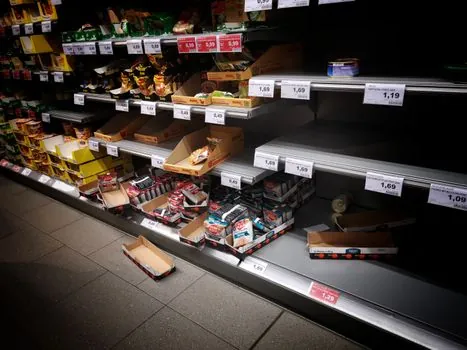
Petrochemical shutdowns reduce resin availability because plastic resins are derived from petroleum refining processes [S5]. That exposure increased when production slowdowns, transportation constraints, labor shortages, severe winter storms, and high shipping costs coincided with stronger demand for epoxy and other grades [S5].
Manufacturers of medical devices, electronics, automotive components, pipes, tanks, and pharmaceutical filters faced delays, shutdowns, or higher input costs for materials including polyethylene, nylon, PVC, and epoxy [S5]. Shortages affected polyethylene, nylon, PVC, and epoxy, which are used in industries including medical devices, electronics, automotive components, pipes, tanks, and pharmaceutical filters [S5].
That differentiation matters. A global shortage can mean an absolute deficit, constrained engineered-grade availability, allocation, or price escalation. The distinction between a physical shortage and supplier allocation is covered in How to Distinguish a Real Shortage From Price Allocation.
Shutdown cascades can magnify one emergency
A planned shutdown at one polycarbonate plant followed by a fire at a competitor severely disrupted the North American polycarbonate market [S3]. The sequence shows how outages that are manageable in isolation can become acute when they overlap, particularly where production capacity is concentrated and downstream users operate with limited inventory [S3].
Deloitte's May 2026 analysis identified a wider wave of chemical plant closures affecting where chemicals are produced and how supply chains operate [S1]. Capacity relocation can diversify supply geographically, but it can also require qualification of new sites, materials, processes, and customers before the move restores dependable output [S1].
A comparable concentration appeared in electronic chemicals after Japan's NF3 production plant fire in September 2025, which threatened chipmakers exposed to the halted material [S7]. The parallel is operational rather than chemical: a specialized production step can become a critical bottleneck even when downstream factories and raw-material suppliers remain operational.
Control points for resilient resin sourcing

Procurement teams should identify the resin producer, the plant producing each key intermediate, the share of global capacity represented by that plant, and the expected repair or restart interval [S4]. The PA-12 incident demonstrates why a supplier name alone is insufficient: the affected production section made two upstream chemicals, and normal output required a three-month recovery [S4].
Second, buyers should qualify at least one alternate route before an emergency. For fuel and brake lines, alternatives must demonstrate heat resistance, resistance to corrosive gasoline additives, and equivalent wear performance rather than relying on datasheet similarity alone [S4]. For fluid-handling systems, plastic piping materials also require compatibility review before resin substitution.
Third, inventory policy should reflect line-down risk rather than procurement convenience. A short safety stock can bridge a three-month plant recovery, but a longer outage requires alternate material, resizing, delayed production, or business-continuity planning. Trackable signals include the fraction of qualified capacity offline, the date of chemical or downstream resin restart, customer allocation notices, and qualification status of substitute compounds [S4][S5].