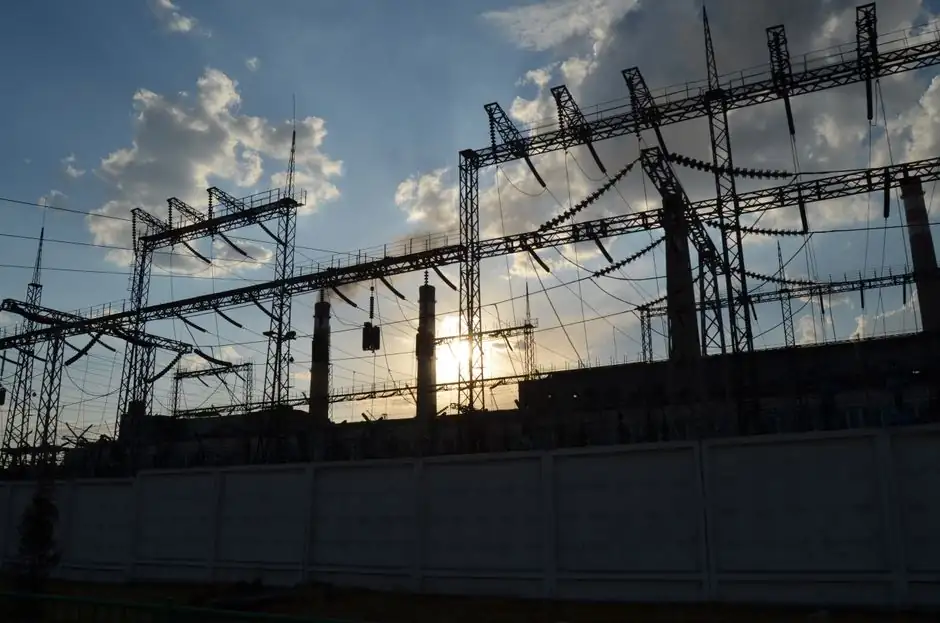
A forecast 600,000-tonne refined copper deficit for 2026 points to sustained upward pressure on cable and transformer prices, although a 100% copper increase raises a transformer's input cost by only about 28% [S3][S8].
The 2026 market combines constrained mine output, volatile refined-copper prices, tariff exposure on selected derivatives, and multi-year transformer lead times, creating cost increases that cannot be explained by copper content alone [S3][S4][S5].
Where the 2026 copper deficit comes from
Forecasters disagree on the size of the 2026 refined-copper shortage, but all cited balances point to deficit rather than surplus. Morgan Stanley projected a 600,000-tonne deficit, J.P. Morgan projected 330,000 tonnes, and the International Copper Study Group moved its balance from a 209,000-tonne surplus in October 2025 to a 150,000-tonne deficit in May 2026 [S3].
Supply-side performance explains the tightening. Chile's national copper output fell 9.04% year over year to 434,314 tonnes in March 2026; Codelco output dropped 10%, BHP's Escondida output declined 15.75%, and Collahuasi output fell 10.80% [S3].
Mine-supply disruptions and the pending Section 232 copper-tariff decision are tightening copper markets, with Morgan Stanley forecasting a 600,000-tonne refined-copper deficit in 2026, J.P. Morgan forecasting a 330,000-tonne deficit, and the International Copper Study Group revising its 2026 balance to a 150,000-tonne deficit. The wider supply picture is covered in Copper mine supply grows just 1.3% in 2026.
Copper prices transmit differently through cables and transformers
Bulk copper cable pricing follows copper, but the finished price also includes gauge, insulation, outdoor rating, PVC, manufacturing, freight, fuel, and delivery terms. Cable specifications such as 14/3 and 18/3 configurations therefore prevent a single copper-price percentage from predicting every quotation [S2].
Transformer economics require a different calculation. A 100% increase in copper price produces only an approximately 28% increase in transformer input cost, yet reported transformer prices had risen 85%, demonstrating that copper does not explain the whole equipment-price movement [S8]. Transformer cost is also driven by grain-oriented electrical steel, cores, labor, factory utilization, engineering, testing, and contractual delivery terms [S4].
Transformer prices face a broader shortage mechanism
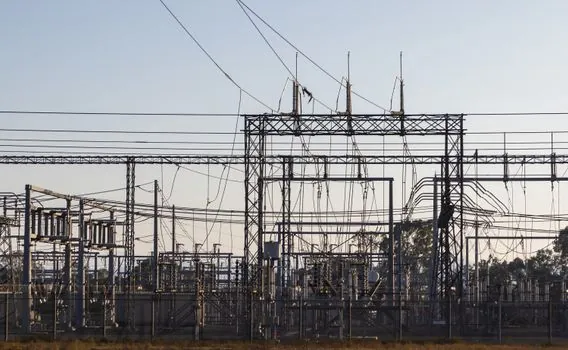
Lead times for large power and generator step-up transformers have moved beyond historical norms.
Copper shortages can tighten materials further, but factory capacity and procurement timing remain separate drivers of transformer cost.
Tariffs can outweigh the copper-content effect
Effective April 2026, the U.S. tariff treatment for specified copper derivatives expanded beyond copper components such as wire and terminals to items such as cable assemblies and wire harnesses. For covered imports, the duty can apply to the full value of the imported article rather than only the copper component [S5].
Tariff applicability depends on the product's copper content and classification, so each imported product requires review to determine whether it falls within the scope of the copper-tariff treatment.
For OEMs, this changes landed-cost calculations. Manufacturing a cable assembly offshore can add a duty calculated on assembly labor and other value, not merely the conductor. U.S. manufacturing can avoid the full-value derivative treatment on the finished assembly, although imported components may remain dutiable [S5].
Copper and aluminum: compare before switching
Aluminum is a viable substitution for many power and control cables, but it should be selected on conductor size, voltage class, installation conditions, termination practice, weight, and lifecycle performance rather than on the copper quotation alone [S6]. The material comparison is broader than unit price: the copper material reference identifies conductivity, density, thermal behavior, mechanical properties, and joining requirements as design inputs.
For a fixed current-carrying capacity, an aluminum conductor requires a larger cross-section than a copper conductor because copper has higher conductivity. That larger geometry can influence conduit fill, termination size, bending radius, and installation labor. Aluminum also has lower density, so the same conductor size weighs less than copper, which can matter in overhead installations, vehicle harnesses, and large feeder systems [S6].
The substitution is not a universal copper-shortage response. It is most credible where the design accepts aluminum terminations, the installed geometry accommodates the larger conductor, and the long-term reliability record is acceptable for the application. For compact equipment, fine-stranded windings, constrained enclosures, or specified copper-compatible designs, redesign and qualification costs can erase the initial material saving [S6].
Who should change materials, and who should not
Cable buyers facing near-term price volatility should first separate metal cost from conversion, freight, insulation, termination, and installation cost. The alloy steel and carbon steel enclosures used around power equipment may also carry their own price and tariff exposure, so a copper-only comparison does not represent the complete installed cost [S2][S5].
Transformers are a weaker candidate for a late-stage copper-to-aluminum substitution because winding redesign, core and tank engineering, thermal validation, and type testing affect the certified product. For small distribution transformers, a complete cost and design review may still be warranted; for power, generator step-up, and substation units, long lead times make late substitution commercially weak [S4].
Owners with firm 2026 schedules should avoid redesign solely to chase copper. A cable-level redesign can be evaluated during detailed design, but transformer changes made after specification risk delaying the larger project. The engineering priority should remain cable material and sourcing adjustments first, followed by transformer commercial terms, factory-slot reservation, and tariff-compliant sourcing.
How buyers should contract for 2026 volatility
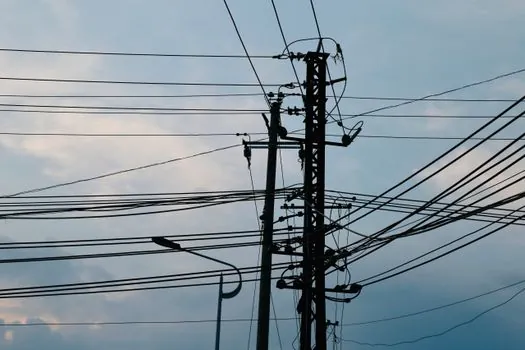
Cable quotations should identify the copper-price basis, conversion charges, insulation grade, conductor gauge, temperature rating, outdoor rating, and freight terms. Without that breakdown, a cable price can change because of metal, PVC, fuel, freight shortages, shipping delays, or project-specific construction activity rather than a change in copper alone [S2].
Transformer orders need a wider commercial framework. Buyers should document the quoted copper allowance, GOES treatment, core sourcing, delivery date, escalation mechanism, payment terms, and tariff allocation. Multi-year lead times mean that a price fixed without these inputs can become misleading before the equipment is delivered [S4].
The immediate operational signals are concrete. First, track whether a supplier holds a factory slot rather than only a quoted price. Second, require tariff classification and copper-content documentation for imported cable assemblies, wire harnesses, and transformer-related derivatives [S5]. Third, compare delivered and installed costs for copper and aluminum cable designs at the project’s actual voltage and conductor rating [S6].
For 2026 budgets, treat copper as a material-cost risk, not a complete equipment-cost model. The deficit supports a firmer cable-price environment, but transformer pricing remains dominated by factory capacity, steel, engineering, testing, and delivery scarcity. The lowest-risk buying strategy is early specification, separated copper allowances, traceable tariff treatment, and an aluminum redesign only where the complete electrical and installation case supports it [S2][S3][S4][S5][S6].