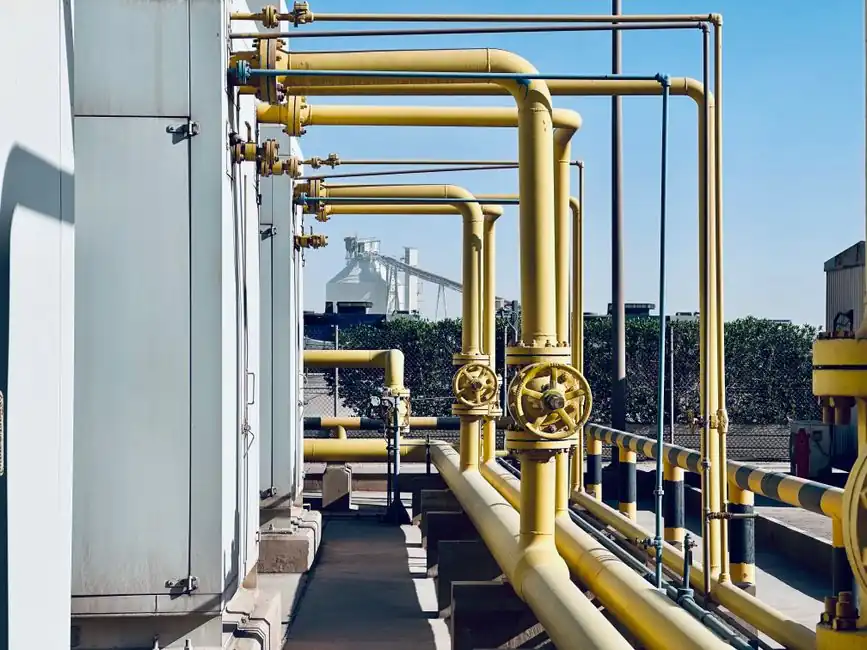
A high-impact hurricane can remove about 1.5 million barrels per day of Gulf of Mexico crude production and nearly the same volume of refinery inputs, temporarily adding an estimated $0.25–$0.30 per gallon to monthly average U.S. retail gasoline prices [S1].
Petrochemical and resin supply is exposed through a connected system of offshore production, Gulf Coast refineries, chemical plants, marine terminals, ports, pipelines, and inland distribution, making a storm more disruptive when it forces precautionary shutdowns across several nodes at once [S2][S3].
Where hurricanes disrupt the supply chain
The Atlantic hurricane season runs from June 1 through November 30, with the most severe hurricanes usually forming in August and early September; U.S. landfalls most often affect the Southeast and Gulf Coast [S2]. Gulf Coast exposure is substantial: the Federal Offshore Gulf of Mexico supplied 14% of U.S. crude oil production in 2023, while Texas and Louisiana Gulf Coast refineries represented almost half of U.S. refining capacity [S2].
The failure sequence begins with evacuation or shutdown at offshore production units, followed by reduced crude availability for refineries, lower chemical-plant feed rates, reduced loading at ports and terminals, and delayed truck, rail, barge, and pipeline movements inland [S2][S3]. Major storms can therefore temporarily restrict gasoline, diesel, jet fuel, and the petrochemical building blocks used to manufacture higher-value materials [S3].
Resin supply depends on more than cracker capacity
Resin production requires a chain of feedstocks, not one isolated chemical unit. A refinery disruption can constrain naphtha and other hydrocarbon inputs; a chemical-plant shutdown can reduce ethylene, propylene, benzene, toluene, and paraxylene availability; and terminal closures can interrupt the movement of imported or exported feedstocks and finished polymers [S2][S3].
Three propagation routes deserve separate tracking. First, an upstream crude or naphtha outage reduces feedstock availability. Second, a resin-unit outage removes conversion capacity, which can create localized shortages even when upstream supply remains adequate. Third, a logistics interruption separates available material from the customer, extending the effective lead time beyond the plant’s own recovery period [S3][S5][S7].
Heavy rainfall can also produce flooding, equipment damage, and releases of hazardous materials, adding environmental-control and site-access constraints beyond the initial weather shutdown [S4]. These consequences explain why a storm can affect resin availability even when damaged production assets have not been directly struck.
Duration and inventory determine the market effect
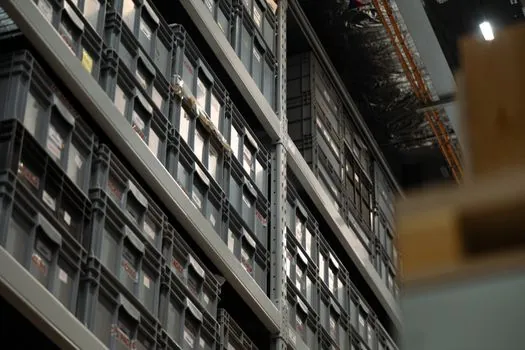
EIA’s high-impact case modeled 1.5 million barrels per day of Gulf of Mexico production loss in September 2023, 1.3 million b/d in October, 900,000 b/d in November, and 300,000 b/d in December [S1]. Modeled refinery-input losses reached 1.5 million b/d in September and 750,000 b/d in October, demonstrating that upstream production outages can persist after the shorter refinery interruption has eased [S1].
That duration difference matters for resin procurement. A short refinery outage can be covered by commercial inventory, contract flexibility, or an alternative producing region. A prolonged crude and feedstock constraint can force producers to reduce operating rates, allocate material among customers, and rebuild inventories before normal shipment patterns resume. The disruption also becomes nonlinear when the same event removes supply while increasing freight, barge, and terminal demand [S1][S5].
Price response is similarly time-dependent. EIA estimated that outages large enough to remove 1.5 million b/d of offshore production and nearly equivalent refining capacity could lift monthly average retail gasoline prices by $0.25–$0.30 per gallon, with the effect diminishing over time; petroleum-product consumption was unchanged in the modeled short disruption [S1].
Exposure differs by asset and transport mode
Offshore floating production units face evacuation requirements and severe wind, wave, and flooding hazards, while coastal refineries face flooding, power loss, personnel-safety decisions, and the risk of damage to tanks, piping, and utilities [S2]. A controlled shutdown can be safer than continued operation, but it converts a weather threat into a production loss.
Ports and terminals create a different bottleneck. A port closure or suspended marine loading can stop cargo and delay downstream distribution even if refineries and chemical plants remain operational; severe-weather restrictions have prevented trucks from loading until winds fell below 35 mph during Hurricane Milton in Florida [S5]. Coastal dependence is especially consequential in markets without local refining capacity, where replacement material depends on waterborne delivery [S5].
Resin supply also differs by grade. A standard commodity polymer with several qualified producers may be substitutable across regions, while a specialty resin constrained by grade approval, color, viscosity, additives, or food-contact requirements can remain unavailable even when total polymer capacity appears adequate. The operating evidence needed for procurement should therefore include alternate grade status, not only the number of nominal plants.
Preparation measures that preserve material coverage
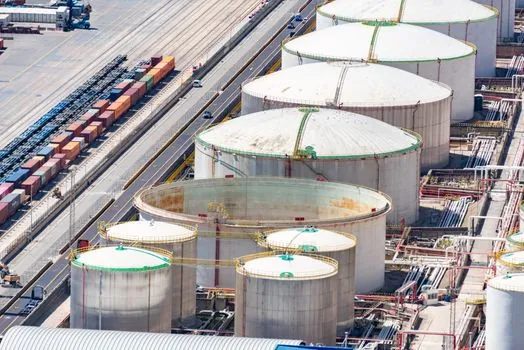
Refiners and petrochemical manufacturers conduct year-round planning with federal, state, and local responders, use drills and exercises, update risk assessments, and coordinate evacuation, transportation, and emergency response with agencies including FEMA, the Department of Energy, the U.S. Coast Guard, and the Department of Transportation [S3]. These measures include preventive investment, response-plan revisions, and lessons applied from previous weather events [S3].
Procurement teams need four supply-chain controls: diversify lifting locations, stage inventory outside exposed coastal nodes, prequalify alternate resin producers and approved grades, and define escalation triggers tied to facility outages and transport restrictions [S5]. Distributing inventory between Gulf and inland or Atlantic locations reduces dependence on a single terminal, while backup logistics should cover barges, trucks, ports, and pipelines rather than just refinery feedstock [S5].
For contract and planning purposes, distinguish among three disruption indicators: named-storm probability, confirmed facility shutdown, and physical inability to load or deliver. A forecast track alone does not prove a resin shortage; a refinery curtailment plus a terminal closure does. The strongest warning signal is a combination of reduced chemical operating rates and blocked outbound loading, because that indicates both feedstock and logistics constraints.
Market effects differ from physical shortages
A storm can raise spot prices and freight premiums without reducing end-use consumption, particularly when inventories cover part of the outage [S1]. Buyers may therefore face higher delivered costs, expedited freight, and longer promised delivery dates even if annual resin consumption remains unchanged [S1][S5]. Procurement comparisons should therefore separate price exposure, volume exposure, and timing exposure.
Physical shortage becomes more likely when inventory depth is low, multiple Gulf Coast nodes are offline, alternative transport is constrained, or a specialty grade has no qualified substitute. A lower cost claim may be temporary rather than a structural market shift. Conversely, a contract price may remain flat while the buyer still carries working-capital, premium-freight, and production-line restart costs [S1][S5].
The most useful near-term indicators are refinery gross inputs, chemical-plant operating rates, port and terminal operating status, marine loading restrictions, resin-freight premiums, and the reopening date of each affected facility. EIA’s base case used 15.9 million b/d of U.S. refinery gross inputs from July through October, equivalent to 89% utilization, as a benchmark for comparing a disruption with normal operations [S1].
Hurricanes do not automatically create a resin shortage, but they can remove both material and logistics capacity from the same week. The most resilient response is to track facility availability, approved alternate sources, staged inventory, and loading status as separate controls, then activate them before a storm crosses the Gulf Coast.