
A mini excavator in the 0.6-10 t operating-weight band is the right starting frame for trenching, drainage, fence installation, driveway repair, and small foundation work; operating weight, digging depth, and tail swing are the three specs that drive model selection [S1][S3].
Buyer-side specifications circulating on B2B platforms in mid-2026 show consistent minimum bars: closed operator cabin, extendable chassis, 360° cab rotation, joystick servo controls, Yanmar/Kubota/Perkins engine, dual hydraulic pumps, and quick-hitch readiness [S2].
Operating-Weight Classes and Matching Job
Sub-1.5 t machines such as the R06 ECO class target drainage trenching and tight indoor access where a standard door width of roughly 800-900 mm dictates the machine envelope [S3].
The 1.5-3.0 t segment is the most common fleet size for residential and landscaping work; an inquiry posted on 2026-05-20 specified exactly 2.5-3.0 t, closed cabin, crawler undercarriage, extendable chassis, 360° upper-structure swing, joystick servo control, and dual hydraulic pumps, which is the practical baseline for a 2-3 t European-spec buy [S2].
The 3-6 t segment (R22 PRO, R32 PRO) covers pool excavation, farm construction, and small foundations where the dig depth and lift chart move the working envelope well past 2 m [S3]. The 6-10 t class, represented by the Caterpillar 310 with 5,211 mm digging depth and 51.8 kW (70.43 hp) Cat C3.3B diesel, sits at the top of the mini band and overlaps compact excavator duty cycles [S1].
Engine, Emissions Tier, and Fuel-System Reality
Diesel remains the default power plant for every mini excavator segment shown in 2026 OEM lineups, and the emissions call-out is the first cross-border buying filter [S1][S3].
The Cat 310 ships as U.S. EPA Tier 4 Final / EU Stage V with a diesel particulate filter, electronic turbocharged Cat C3.3B, and Extended Life Coolant rated to –37 °C (–35 °F), giving one explicit emissions and cold-start data point for cross-region purchasing [S1]. Buyers in mainland China and most of Southeast Asia accept non-Tier 4 engines for fleet resale, but the same unit cannot be re-imported to the EU or California without the after-treatment hardware present [S1].
For Yanmar/Kubota/Perkins engine preferences seen in 2026 buyer specs, displacement and torque curve dominate over peak horsepower, because hydraulic flow—not engine kW—limits dig-cycle productivity on machines under 6 t [S2].
Hydraulics, Attachments, and Quick-Hitch Logic
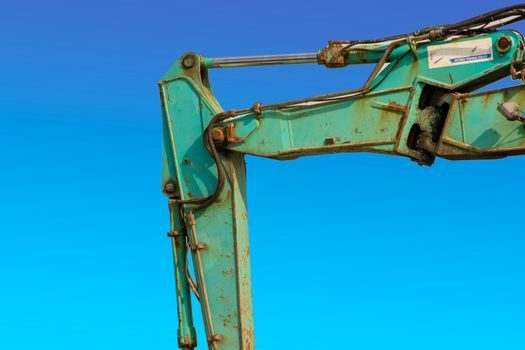
Two-pump hydraulic systems with load-sensing or flow-sharing logic are standard on 2026 production mini excavators, and pilot-operated joystick controls via servo valves are the operator-feature ask in fresh B2B RFQs [S1][S2].
Attachment versatility is set by auxiliary hydraulic flow (l/min at bar pressure) and the coupler type, not by the dipper; bucket widths of 20 cm, 40 cm, and 60 cm plus an auger drill are the typical starter kit for a 2-3 t machine [S2]. A hydraulic hammer and a quick-hitch are the two most common add-ons, and a pilot-operated auxiliary line is mandatory if a tilting bucket or compactor is planned later [S2].
For broader attachment workflows, skid-steer loaders such as the RS06 share quick-attach geometry with many mini excavator buckets in the sub-2 t class, but they cannot replicate a vertical dig cycle, so they sit alongside—not in place of—a mini excavator on a jobsite that needs both trenching and material handling [S3].
Tail Swing, Zero-Tail, and Site Access
Conventional-tail mini excavators keep the upper structure inside the tracks plus a rear overhang, while zero-tail and reduced-tail variants fold the counterweight inside the track gauge for working against walls and in single-lane streets [S3][S4].
2026 OEM catalogues split mini excavators into "with tail" and "without tail" sub-lines, which is the controlling spec whenever a gate, fence line, or building wall defines one side of the work envelope [S4]. A 360° upper-structure swing is universal across modern mini excavators and is not the differentiator; the tail overhang radius is [S2].
Track width and overall transport weight then determine whether the unit rolls through a 1 m garden gate or has to be lifted by trailer, and shipping width is the spec that decides whether a 2-3 t unit can be delivered to a dense European city street without a wide-load permit [S2][S4].
Options Comparison: 0.6-1.5 t vs 2-3 t vs 6-10 t

Three machine classes cover roughly 90% of buyer use cases, and a simple spec table makes the trade-off legible: [S2]
0.6-1.5 t (R06 ECO class): operating weight 600-1,500 kg, dig depth typically under 2 m, single-lane transport, Yanmar/Kubota small-displacement diesel, best for drainage trenching and fence post holes in finished yards [S3].
2-3 t (R13 PRO / R15 ECO / R18 PRO class): operating weight 2,500-3,000 kg, dig depth 2.5-3.5 m, closed cabin standard on export builds, dual hydraulic pumps, joystick servo, quick-hitch ready, best for driveway repair, light grading, stump clearing [S2][S3].
6-10 t (Cat 309/310 class): operating weight 9,601-10,182 kg, dig depth up to 5,211 mm, 51.8 kW turbo-diesel with DPF, load-sensing hydraulics, best for small foundations, pool digging in open ground, and rental-fleet duty cycles [S1].
When a Mini Excavator is the Wrong Tool
A mini excavator is the wrong pick for pure horizontal material movement on a finished surface; a skid-steer loader or compact track loader moves aggregate faster per litre of fuel and leaves a lighter footprint on turf and pavement [S3].
For vertical reach above roughly 4 m on a stable pad, a compact tracked boom lift or a mini telehandler outperforms any mini excavator, because the excavator's lift chart at full reach drops below 500 kg well before that envelope is reached [S3].
For indoor demolition on a suspended slab, the 0.6-1.5 t class can fit through a standard door, but a hydraulic breaker on a 1 t class overwhelms a typical 150 mm concrete slab only when paired with a 60-100 l/min auxiliary circuit, which the smallest machines do not deliver [S2][S3].
Sourcing, Standards, and Cross-Border Buying
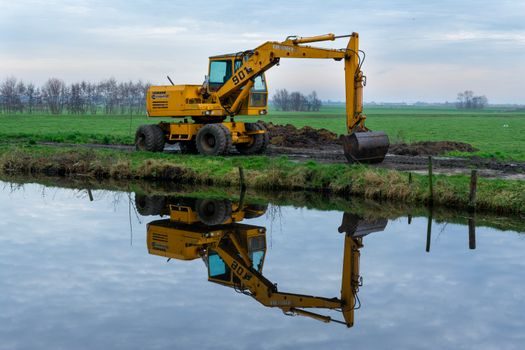
Engine emissions conformance is the gating document for any cross-border sale: a Tier 4 Final / Stage V dataplate plus a CE declaration and a country-specific road-homologation pack is the minimum paperwork stack for an EU buyer importing from Asia [S1][S2].
Two practical cross-border checks in 2026 are the engine dataplate photograph (to verify the emissions tier before shipping) and the operating-manual PDF in the buyer's language; one Polish buyer RFQ on 2026-05-20 explicitly required both, plus a price split between CIF Gdańsk/Gdynia/Szczecin and DDP Kraków [S2].
For fleet buyers weighing a planetary reducer refresh alongside an excavator purchase, the swing gearbox and travel-drive gear ratios follow the same torque-density logic used in stationary industrial gearboxes, so matching supplier lists across both buys reduces due-diligence cost. The shortlist logic, then, is: fix the operating-weight band by the deepest dig on site, fix the engine tier by the destination market, fix the hydraulic flow by the heaviest attachment you will run, and only then compare price and lead time across two or three OEM lines such as the Rippa R-series, the Cat 309/310, and equivalent Yanmar/Kubota-powered export builds [S1][S2][S3].
Spec-level background on the components involved: pressure transmitter, and flow meter.