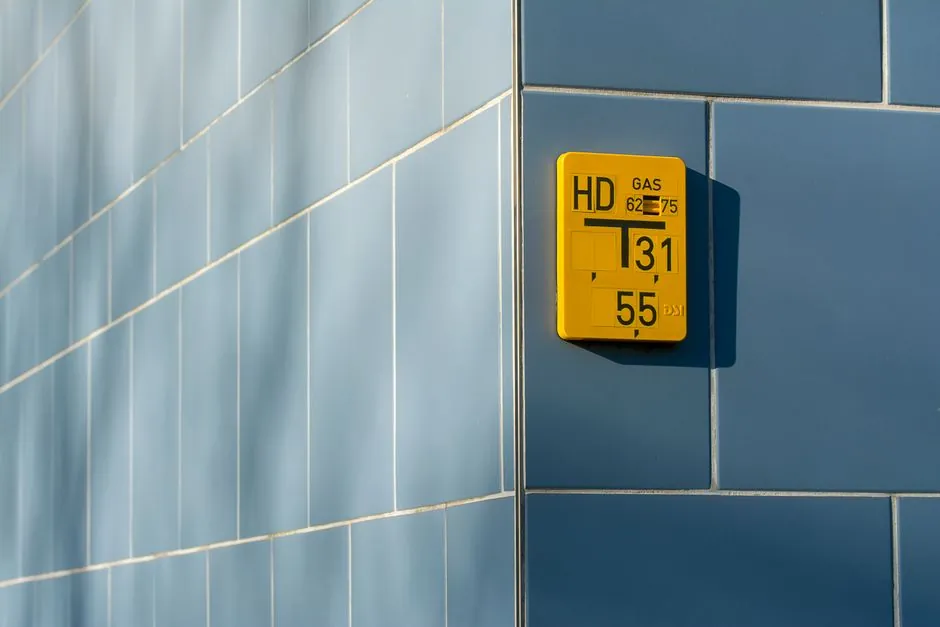
A multi-gas detector should include oxygen, carbon monoxide, hydrogen sulfide, and combustible-gas measurements only when those hazards exist, with additional sensors added for site-specific substances such as CO₂, VOCs, chlorine, or ammonia.
The standard four-gas combination serves many industrial and confined-space applications, but the correct specification follows the risk assessment, work activity, location, and required monitoring duration.
Build the gas list from actual hazards
Selection starts by identifying what can be present during normal operation, equipment faults, leaks, maintenance, cleaning, and entry into vessels, sewers, or process areas. Oxygen deficiency or enrichment, toxic exposure, flammable atmospheres, and special process gases are four distinct hazard classes, so they require different sensors and alarms [S1].
For each substance, record its possible source, release behavior, location, likely concentration, and the people or assets requiring protection. A four-gas detector measures O₂, CO, H₂S, and combustible gas as a practical baseline, but it does not automatically cover CO₂, VOCs, chlorine, ammonia, or other gases associated with the process [S1][S2].
Do not select by sensor count or purchase price alone. A detector can only warn against a gas for which it has the appropriate sensor, so an unassigned channel is not protection and an instrument configured for the wrong process gas can create false confidence [S1].
Match four gases to their hazard functions
Combustible-gas channels normally report the concentration relative to the lower explosive limit, so their output is expressed as % LEL rather than as a mass concentration of one specific compound. Methane, propane, and other hydrocarbons can therefore be relevant in fuel-handling, process, and confined-space applications, while the sensor response must still be verified for the gases actually expected [S2][S3].
A typical four-gas detector may monitor combustible gases through LEL, hydrogen sulfide (H₂S), carbon monoxide (CO), and oxygen (O₂), so the required detection capability, alarm levels, and operating environment should be established before comparing models [S4].
Add oxygen only for a defined atmosphere hazard
Oxygen monitoring serves two different purposes: detecting deficiency and identifying enrichment. An O₂ channel therefore should not be treated merely as a fourth sensor; its alarm philosophy must reflect the atmospheric condition expected at the work location [S1].
The common confined-space four-gas arrangement covers O₂, CO, H₂S, and LEL, while single-gas instruments are more economical when oxygen concentration is known to remain acceptable and only one toxic or flammable hazard is credible [S3]. The decision depends on the permit-space program and the assessed atmospheric hazards, not on a generic preference for one instrument type [S2][S3].
Portable oxygen measurement also supports pre-entry sampling, where a pump draws a representative atmosphere sample before entry. MSA describes portable instruments with up to 6-gas capability and integrated pumps for that stage of a confined-space workflow [S2].
Select toxic gases by process, not by a generic list
H₂S is a natural choice for wastewater shafts, sewers, and oil-and-gas work, while CO is associated with engines, generators, furnaces, vehicles, and other combustion sources. These are different hazards with different sources, so both channels belong in a detector only when their respective exposure pathways are credible [S1][S9].
Chlorine and ammonia become relevant where those chemicals are stored or used, while CO₂ may need measurement in rooms served by carbon-dioxide extinguishing systems. Confined-space teams may also face process-specific toxic or combustible substances beyond methane and propane, including CO₂, chlorine, and ammonia [S1][S2].
A typical four-gas detector may monitor combustible gases through LEL, hydrogen sulfide (H₂S), carbon monoxide (CO), and oxygen (O₂), but a site with a low-concentration hazard may require different instrument specifications [S4].
Compare portable, fixed, and pre-entry coverage

Portable multi-gas detection is most useful when the atmosphere can change during the task or the worker must move through several locations. A single portable unit can combine several sensors, but maintaining O₂, CO, H₂S, and LEL channels increases purchase, calibration, and servicing demands compared with a dedicated single-gas detector [S3].
Fixed monitoring is the stronger choice where a release can accumulate continuously in a defined area and continuous coverage is required. Temporary sampling addresses entry work, while continuous worker monitoring protects against changing conditions after entry. Real-time fleet visibility adds location, device-status, alert, and assignment information, but it does not determine which gases require sensors [S1][S2].
The selection comparison is straightforward: use a single-gas detector for one well-defined hazard and simple monitoring; use a portable multi-gas detector for variable conditions, entry work, or several credible hazards; and use stationary detection when an area requires continuous coverage. The trade-offs are coverage, task flexibility, maintenance burden, and instrumentation cost, not the number of buttons on the device [S1][S3].
Verify ranges, alarms, and operating conditions
Each selected gas needs a defined measurement range, alarm setpoints, and response to the site condition. The cited MicroClip configuration illustrates four different ranges: 0–100% LEL, 0–100 ppm H₂S, 0–500 ppm CO, and 0–30% O₂ [S4]. Those ranges should be compared with expected concentrations and alarm requirements, not treated as a universal specification.
Alarm design must distinguish low and high setpoints where the hazard requires it. Combustible-gas monitoring should cover the intended % LEL range, while toxic-gas alarms should reflect the exposure limit and response required by the site assessment. Sensor behavior, calibration intervals, environmental suitability, and communication requirements must also be checked before purchase [S1].
For a confined-space system, separate the safety layers into pre-entry sampling, continuous worker monitoring, and real-time data visibility. This structure exposes coverage gaps that a single “four-gas” label can hide, particularly when the task includes CH₄ or propane alongside CO₂, chlorine, or ammonia [S2].
Audit the final configuration against the permit
A defensible multi-gas detector specification lists each included gas, its source, the work location, the required measurement range, alarm logic, monitoring period, and responsible user. The standard O₂, CO, H₂S, and LEL set is a starting point for many portable industrial instruments, while confined-space programs may need up to 6 gases for pre-entry sampling [S2][S3][S4].
The multi-gas detector category should therefore be specified by measured hazards, not by the label “4-gas.” For a focused hydrogen sulfide task, a dedicated H₂S gas detector may be simpler and less costly; for an unknown or changing confined-space atmosphere, multi-gas coverage has the stronger safety case [S3].
The next trackable checks are the completed site gas inventory, every configured sensor range, every alarm threshold, and the pre-entry and continuous-monitoring sequence. If a gas cannot be connected to a credible source and exposure pathway, adding its channel adds maintenance without adding defensible coverage [S1][S2].