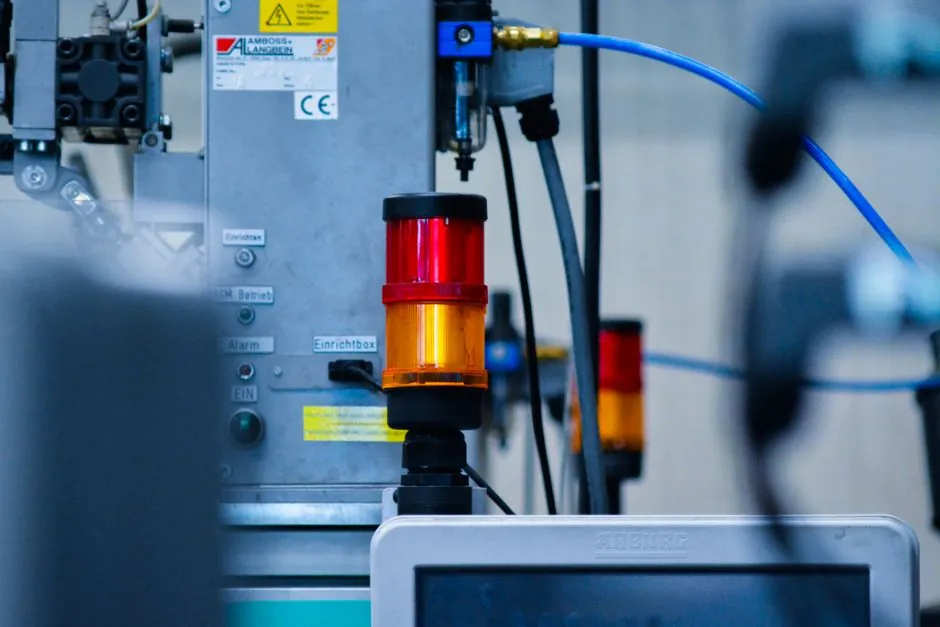
Toxic-gas alarm setpoints should be derived from credible release scenarios, ventilation, airflow, and the detection technology’s operating range, with installation points planned every 10–20 m for locations subject to large toxic-gas leaks [S3].
The fixed acetylene concentration detection system described in S3 consists of a gas detector and gas alarm controller, with optional on-site display and audible and visual alarm controllers and linkage to external devices such as exhaust fans and solenoid valves.
Setpoints begin with the release scenario
A fixed threshold selected without those inputs can be either insensitive to a meaningful release or prone to nuisance alarms during ordinary operations [S3].
For outdoor or poorly ventilated releases, the detector location must reflect both the gas plume and airflow.
Use gas density and airflow to place the detection plane
Do not confuse alarm setpoint with installation setpoint. A concentration threshold defines when the instrument alarms, while location defines whether a plausible plume reaches the sample inlet.
Match the detector to the gas and release mode
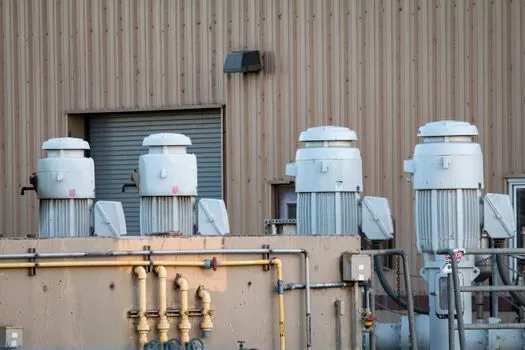
The alarm threshold is only meaningful when the sensing technology is appropriate for the gas, concentration range, and release pattern. One fixed acetylene system uses catalytic combustion sensing and can operate as a standalone detector with local display and audible and visual alarm options, requiring only 24 V power in that configuration [S3].
For a multi-point installation, the field detector and gas alarm controller can be cabled together and supplied with 220 V power for real-time monitoring [S3]. The detector and controller are connected through cables, and the system can link to external devices such as exhaust fans and solenoid valves.
For a fixed toxic gas detector, confirm that its specified detection range covers both the alarm setpoint and the exposure expected at the chosen sample point. It must also be suitable for the release mode. A catalytic combustible-gas sensor and an electrochemical toxic-gas sensor are different specification choices, and the available research does not establish universal performance figures for either technology across all gases.
Build a staged response rather than one undifferentiated alarm
The fixed acetylene architecture described in the research supports real-time concentration monitoring, audible and visual alarms, and links to PLC or DCS systems. It can also trigger external equipment such as exhaust fans and solenoid valves [S3].
Before commissioning, document the measured or calculated concentration that activates each output, the notification path, the operator acknowledgment requirement, and the automatic action. For ventilation-linked outputs, confirm that the fan starts when intended and that interlock logic does not create an unsafe operating condition.
The carbon-monoxide case illustrates why threshold conservatism needs care. Carbon monoxide is colorless, odorless, and tasteless, health effects can range from fatigue and dizziness to long-term neurological disabilities, and an estimated 95,000 carbon-monoxide poisonings occur annually in the United States [S2]. The NCOAA position distinguishes life-safety alarms from injury-prevention devices and calls for lower alarm setpoints to improve protection [S2].
Compare spacing, threshold, and response criteria

For locations with large toxic-gas leaks, the installation guidance specifies a detection point every 10–20 m, while placement direction must reflect density and airflow [S3]. This spacing guidance does not replace a threshold calculation; it determines whether the system samples the likely release zone.
The main options can be compared across coverage, response integration, and operating dependency. A standalone detector provides local coverage and a 24 V option when configured for on-site display and audible and visual indication. A wired detector plus controller supports centralized real-time monitoring and 220 V supply. A PLC or DCS-linked system adds automatic fan and solenoid-valve integration but requires verification of signal compatibility, output behavior, and shutdown logic [S3].
A further decision criterion is the alarm philosophy. A single threshold is simple to configure, but it gives less operational discrimination than staged concentration alarms. Lowering a setpoint can improve warning margin, as advocated for carbon-monoxide life-safety alarms, but it also increases the importance of documented background concentrations, sensor response, maintenance status, and nuisance-alarm review [S2].
Do not adopt a ppm value solely because another installation uses it. Comparable setpoints are defensible only when the gas, sensor, release mode, ventilation, sample location, and required response are materially similar. Otherwise, document the engineering basis and the assumptions behind the selected value.
Commission the threshold against field conditions
Commissioning should verify the actual measured response at the final installed location, not just the detector output in a clean bench setup. Confirm calibration records, sample-line condition if applicable, alarm values, audible and visual notification, controller status, and any linked fan or solenoid output [S3].
Carbon-monoxide alarms are explicitly classified as life-safety devices rather than injury-prevention devices, and their lower-setpoint initiative rests on exposure-limit science and a review of alarm-standard history [S2]. For industrial toxic gases, the equivalent justification should connect the threshold to the site hazard assessment, credible release analysis, and personnel-protection objective.
Test each response stage under a simulated signal or documented test method, then verify the operator procedure. Record the approved setpoint, instrument identifier, calibration date, installation height or zone, airflow assumption, and responsible approver. A gas detector with an incorrect threshold or poorly chosen location can still fail as a safety system.
Alarm thresholds also need ownership after commissioning. Review them after process changes, ventilation changes, sensor replacement, detector relocation, or a release incident. The research specifically advises against frequently changing the position of a fixed installation, because movement can invalidate the completed leak map and flow analysis [S3].
Verify the complete safety response
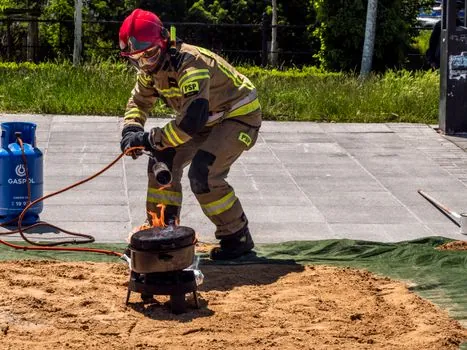
A toxic-gas alarm is successful only when the instrument detects the intended concentration, the controller announces it, personnel understand the required action, and connected equipment reduces the hazard. Con Edison’s natural-gas safety guidance directs occupants to evacuate if a leak is suspected, take others with them, and avoid using a phone in the affected area [S1].
That evacuation instruction is a response requirement, not a detector-selection criterion. A lower threshold does not justify delaying evacuation, and a networked detector does not replace a clear human action plan. For industrial sites, define whether the first response is local shutdown, ventilation activation, process isolation, site evacuation, or a combination.
The next trackable evidence is a signed commissioning record listing the gas, release scenario, threshold or threshold stages, sensor range, installation coordinates or height, and 10–20 m spacing check where the large-leak criterion applies [S3]. Reopen that record after any change to the process, ventilation system, alarm controller, or linked mitigation equipment.