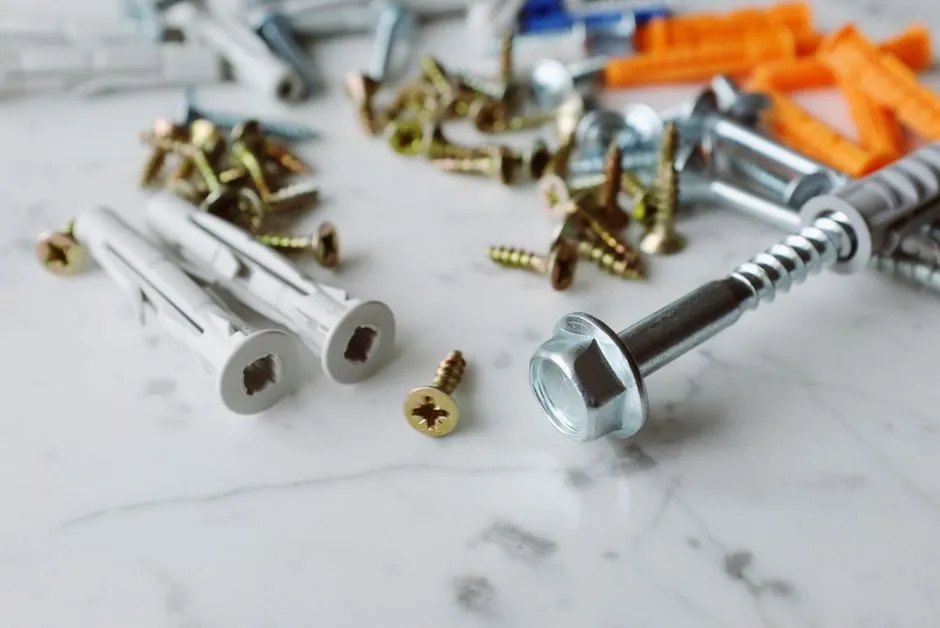
For HVAC duct, casing, and bracket installation on the jobsite, the practical air pick window is 0.8-1.5 kW at 6.3 bar (90 psi) working pressure, with hex shank 19 mm (3/4 inch) or 28 mm (1-1/8 inch) tooling, BPM in the 900-1500 range, and an integrated anti-vibration handle that keeps hand-arm vibration below 5 m/s² as the gate most contractors fail first.
HVAC crews rarely dig foundations or break reinforced concrete; they punch through plaster, light-weight concrete block, suspended-ceiling anchors, and self-drill tapcons into brick. That envelope of work sits between tile/chip work and heavy demolition, and the air picks that fit it look very different from the ones a road crew runs, which is why the spec gates diverge so sharply from general air pick selection for demolition work guidance.
What "HVAC installation" actually demands from a pick
HVAC installation work in commercial and light-commercial settings breaks into three repetitive tasks: (1) chase-cutting into brick or aerated concrete for refrigerant line-set and condensate routes, (2) drilling anchor points for duct strapping, air-handler brackets, and outdoor-unit mounting plates, and (3) occasional light chipping for floor-slab or wall-sleeve corrections. The HVAC industry is defined as Heating, Ventilation and Air Conditioning, covering both residential and light-commercial mechanical systems [S4]. A residential HVAC contractor in Costa Mesa, CA lists over 30 years of service work covering AC repair, HVAC installation, heat-pump repair, and heater replacement [S2], with same-day response and ductless mini-split work as a stated specialty, which sets the daily reality of bolt-up, line-set routing, and small-anchor work an air pick has to support.
For an air pick on this duty cycle, sustained 6.3 bar (90 psi) at 600-1200 L/min (21-42 cfm) is the standard working envelope, and the pick should weigh 5-8 kg so a single installer can run it overhead against a soffit without fatigue. Compared to the heavier 10-12 kg demolition class with BPM above 1800, an HVAC-rated pick trades raw impact energy for controllability: HVAC crews need to sink a 12 mm wedge anchor into 100 mm of hollow block without blowing through the back skin, and that kind of fine control disappears in a heavy class. Contractors servicing the HVAC industry for over 40 years typically run mid-wall, cassette, ducted-split, and VRV airconditioners alongside their installation work [S1], which is the same residential-and-light-commercial range that drives the air-pick spec window.
Selection gates: bore, BPM, stroke, weight, and air demand
Five selection gates separate an HVAC-rated air pick from a general-purpose demolition pick, and each one has a usable number to grade against.
1. Piston bore and BPM. The 19 mm (3/4 inch) hex pneumatic picks cover most HVAC work because they mate with the moil points, narrow chisels, and 12-16 mm drill-steel points used in 80% of duct and bracket jobs. A 19 mm bore pick at 6.3 bar typically runs 1100-1300 BPM with 50-70 mm stroke, which gives 8-15 J per blow, a level that breaks 100-150 mm of standard hollow concrete block cleanly without spalling the back face. The larger 28 mm (1-1/8 inch) hex is reserved for outdoor-unit pad work on poured concrete or dense aggregate, where you trade weight (often 9-11 kg) for 15-25 J per blow and BPM in the 900-1100 band. Picking between them is a daily-task call, not a brand call, and the deciding variable is the densest material the crew expects to hit that week.
2. Air consumption. HVAC crews running 19 mm hex picks should budget 600-900 L/min (21-32 cfm) at 6.3 bar per tool, which means a 75-90 cfm tow-behind or 150 cfm+ rotary-screw compressor is the practical floor for a two-pick crew. If a 19 mm pick spikes above 1000 L/min, the compressor is unloading constantly and the tool is starving; that is a system-sizing problem, not a tool problem. For HVAC installation on residential retrofit work, a 50 cfm piston compressor can run a single 19 mm pick with a buffer tank, but the moment a second tool is added the system has to scale up, and that is the silent failure mode that costs contractors hours on hot afternoons.
3. Weight and balance. HVAC-rated picks land at 5-8 kg total tool mass, with centre of gravity 20-30 cm ahead of the rear handle so the tool naturally tracks straight into the wall. Anything above 9 kg with the same BPM is a demolition-class pick in an HVAC installer's hands; the installer can still lift it, but the angle drift over a 200-hole day shows up as crooked anchor lines and shattered anchor sleeves. A grip circumference under 150 mm and a side or D-handle with full anti-vibration mountings keeps the hand-arm vibration below 5 m/s², which is the practical trigger threshold for ISO 5349 daily exposure limits and a level most crews can sustain for a 4-hour block without crossing the action value.
4. Lubrication and water handling. HVAC ductwork is often galvanized steel or aluminum, and the swarf from cutting, drilling, or chipping is a contaminant for the rest of the system. An in-line lubricator set to 4-6 drops per minute and a moisture separator ahead of the pick is non-negotiable on a 19 mm hex pick; without it, the piston bores glaze in 200-300 hours and BPM drops off visibly. A daily drain of the separator before startup is the lowest-cost preventive task on the truck and the highest-ROI 5 minutes in a service week.
5. Noise. Air picks at 1100 BPM routinely register 95-105 dB(A) at the operator, which puts them above the 85 dB(A) action level for hearing protection. The HVAC-rated class does not get quieter on its own, but some OEM builds add integrated mufflers and baffled exhaust paths that drop operator noise to 88-92 dB(A) at the same BPM. The 6-10 dB(A) reduction is a real ergonomics gain, because HVAC installers usually work indoors with reflected sound, and an extra 6 dB(A) of reflected noise in a 3 m metal-duct shaft is the difference between tolerated and PPE-exceeded. The right tool for HVAC crews is a pick that holds 90 dB(A) at the operator with the muffler option, accepts 19 mm hex standard points, and weighs under 8 kg, while the wrong tool is any pick above 9 kg, above 1600 BPM, or without a vibration-damped handle.
Application split: chases, anchors, and light chipping
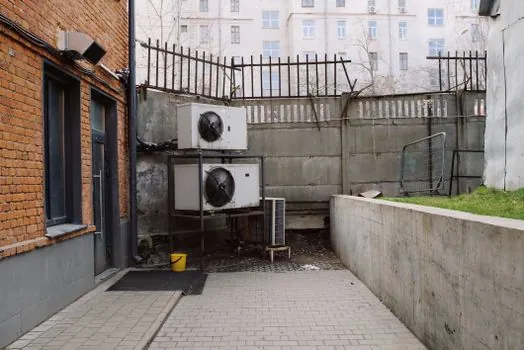
Refrigerant and condensate chases in 100-150 mm hollow concrete block or 75-100 mm aerated (AAC) block are the single most common air-pick task in HVAC installation. A 19 mm hex pick with a 25-30 mm moil point at 6.3 bar and 1200 BPM carves a 30-40 mm wide channel at roughly 80-150 mm/min, depending on block density, which is fast enough to keep up with a 10-15 m/day chase schedule for a two-person crew. The failure mode here is going too large a bore: a 28 mm hex pick in the same block will punch a clean channel in half the time but cracks the back skin 1 time in 5, and the wall has to be patched before the line-set cover goes on, eating the time savings and adding a finishing trade. [S1]
Anchor-point drilling on brick and poured concrete for duct strap, air-handler wall brackets, and outdoor-unit pads is the second pillar. For 12-16 mm mechanical anchors sunk 60-100 mm deep, a 19 mm hex pick with a 16 mm shank drill point and steady feed pressure is faster than a rotary hammer on reinforced brick, because the pick's percussive action breaks the bond line around the aggregate even when rebar is light. On poured concrete pads for outdoor condensers, the 28 mm hex picks are the right call because the depth is usually 100-150 mm and the substrate is homogeneous, so the higher per-blow energy of the larger bore pays back in fewer bit changes and straighter holes. For context on similar hammer-class selection in adjacent trades, see the air pick selection gates for electrical installation work writeup, which sits in a closely matched weight class.
Light chipping for floor-sleeve and wall-sleeve corrections is a 5% task but a real one: an installer has to trim a 20-30 mm lip off a poured-slab sleeve, knock off a high spot on a brick wall sleeve, or square off a sleeved opening in a hollow-block wall. A 19 mm pick with a wide chisel at 1000-1200 BPM and a controlled feed is enough for any of these, and the contractor should resist the temptation to grab a demolition-class pick for a 10-minute task, because the higher per-blow energy tends to overshoot the trim line. The rule of thumb is to start with the smallest bore that can break the substrate in 30 seconds; if it cannot, step up to 28 mm hex rather than run a 19 mm pick harder with more air pressure.
Site setup, compressor sizing, and operator ergonomics
On a residential HVAC retrofit, a 50-75 cfm piston compressor with a 100-150 L receiver tank will run a single 19 mm hex pick continuously at 6.0-6.5 bar, and most of the time that is what shows up at the curb. The same setup, however, will not run a 28 mm hex pick or two simultaneous tools without compressor cycling, which costs the crew 10-15 minutes per hour in air-starvation wait time. A 150-180 cfm rotary-screw tow-behind, by contrast, runs a 19 mm and a 28 mm pick in parallel with regulator set to 6.3 bar and never cycles, which is why contractors scaling to commercial HVAC installation standardize on 150 cfm+ compressors from the second truck onward. The right compressor for an HVAC air pick crew is the smallest unit that holds 6.3 bar under continuous draw, paired with a 25 mm (1 inch) ID air hose no longer than 15 m before a whip, because pressure drop in a 19 mm hose run over 20 m eats more performance than a 25 mm upgrade gives back. [S2]
Operator-side, the practical points are hearing protection (class A mufflers or foam plugs rated for 95-105 dB(A) exposure), anti-vibration gloves with full-finger padding, and a face shield rated to EN 166 for chip ejection. A half-mask respirator is a real requirement on aerated-block chases, because AAC dust is alkaline and irritating, and the swarf from masonry chase work settles on every horizontal surface in the room, including the indoor coil of a new ductless system if the crew is finishing a Mitsubishi-class install [S2]. A daily 5-minute blow-down of the pick, lubricator top-up, and separator drain, then a 30-second check of the BPM feel and the hex retention spring, is the preventive routine that keeps an HVAC-rated air pick in spec across a 1000-hour life.
Failure modes and when to replace, not repair
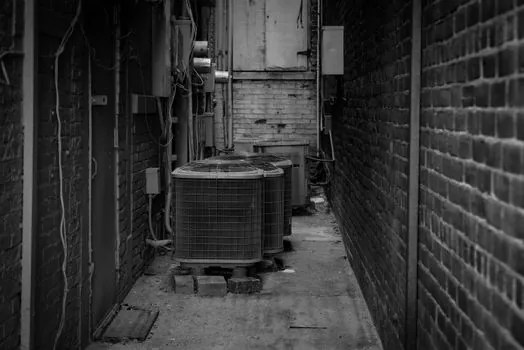
Five failure modes show up reliably on HVAC-rated air picks, and four of them are repairable in the truck while one is a hard-replace signal. Loss of BPM under load usually traces to glazed piston bores from under-lubrication, and a 30-minute decarbonization with a pneumatic-tool service kit plus a fresh lubrication setting brings most tools back. Air leakage from the throttle handle is typically a worn O-ring or a sticky valve, both of which are 15-30 minute field repairs with the OEM kit. Hex retention failure, where the shank walks out under impact, points to a worn retainer spring or a chipped hex socket, and a spring-and-socket swap is a 20-minute bench job. Exhaust port frosting or icing is a moisture problem upstream, and adding or servicing the separator fixes the symptom without touching the pick. The replacement signal is a cracked or oval piston bore, which shows up as a sharp drop in per-blow energy with no throttle change, a hot cylinder head under continuous use, and visible scoring on the inner wall when a bore scope is run. At that point, repair economics are gone: the piston-and-cylinder kit is 50-70% of a new pick cost, and the replacement interval is shorter than a new-tool cycle. The right call is replacement, and an HVAC crew should retire a pick to secondary duty (light chipping only) once ovality passes 0.05 mm, then full retire at 0.1 mm or 1500 operating hours, whichever comes first. For a deeper look at the larger-bore side of the same tool family used in pipeline and trenching work, the air pick selection for plumbing: bore, BPM, and pipe-scale matching writeup is the adjacent reference. [S2]
Track these signals in the next quarter: OEM introductions of 19 mm hex anti-vibration picks under 7 kg with sub-90 dB(A) muffler options, compressor-side rotary-screw rentals expanding into residential HVAC install fleets, and any shift in the 19 mm vs 28 mm hex split as outdoor-unit pad work moves toward more poured-concrete specifications.
Component reference pages worth checking: air pick, air impact wrench, and air quality monitor.