
Industrial lumber supply for crating and construction combines dimensional lumber, panels, pallet parts, blocking, and custom-milled components to protect machinery, building materials, and global shipments [S1][S4].
Georgia-based suppliers serve construction, heavy-equipment, pallet, and export-packaging customers with softwoods, hardwoods, ISPM 15 components, heat-treated packaging, and cut-to-size products [S1][S2][S6].
Industrial Lumber Defined by Product and Processing Scope
Industrial lumber is dimensioned or fabricated wood used where structural packaging, load distribution, durability, or defined dimensions matter. Conner Industries lists wholesale dimensional lumber, panels, pallet lumber, cut pallet parts, Southern Yellow Pine, hardwoods such as poplar and maple, and ISPM 15-certified wood among its Atlanta-area products [S2].
Industrial Lumber Sales offers hardwood, softwood, panels, and custom milling, while Conner Industries offers wholesale dimensional lumber, panels, and cut pallet parts [S1][S2]. Custom milling adds cut-to-size lengths, grooves, notches, and crate-kit components to the material scope [S1][S2].
This category differs from retail lumber purchasing. Industrial Lumber Sales emphasizes custom manufacturing, delivery to specification, and production in Georgia, while Millwood lists hardwood, Yellow Pine, SPF, precut pallet lumber, dunnage, cribbing, plywood, and OSB as distinct procurement lines [S1][S4].
Selection Criteria for Crates and Heavy Loads
Cut dimensions, species, and load application determine the correct industrial lumber specification. Conner states that hardwoods such as oak, maple, and poplar are selected where stronger, denser material is required for heavier transported items, while its product range also includes Southern Yellow Pine softwood [S2].
Conner offers hardwoods such as poplar and maple for applications requiring stronger, denser wood and also offers pallet lumber and banding groove [S2].
Ordering language should identify nominal dimensions, actual finished dimensions, species, grade, length, end condition, component count, and machining tolerance. Industrial Lumber Sales offers custom crating, cut-to-size lumber, and industrial wood packaging solutions, including custom specifications and urgent shipments [S1].
Comparing Softwood, Hardwood, Panels, and Parts
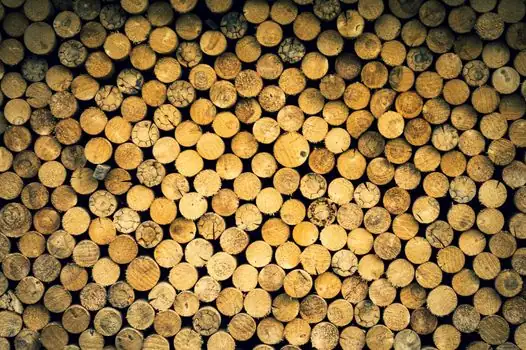
Softwood, hardwood, panel products, and pallet parts serve different procurement needs. Southern Yellow Pine and other softwoods support economical structural and packaging uses, hardwoods address higher density requirements, plywood and OSB provide sheet geometry, and precut pallet parts reduce downstream assembly work [S2][S4].
Conner offers wholesale dimensional lumber, panels, and cut pallet parts, and its Atlanta-area lumber products are also delivered nationwide [S2].
For large or repeat orders, processing capability can outweigh nominal unit price. Industrial Lumber Sales offers hardwood, softwood, panels, and custom milling as a one-stop source for industrial packaging lumber [S1].
Construction, Pallet, and Export Applications
Construction applications include framing lumber, custom crates for heavy building materials, dunnage, blocking, and components delivered to job sites or distributors [S1]. Industrial Lumber Sales provides custom crating, cut-to-size lumber, and industrial wood packaging solutions tailored to customers' products and workflows [S1].
Conner offers cut pallet parts and pallet-part kits for high-volume customers [S2]. This differs from a general lumber yard focused on retail projects: Norcross Supply operates a 7-acre yard and lists Western Red Cedar, Douglas Fir, Cypress, Hemlock, pressure-treated pine, plywood, fasteners, siding, and deck supplies [S3].
Conner offers ISPM 15-certified wood, while Millwood lists pallets and custom pallets among its products and services [S2][S4].
Constraints, Treatment, and Failure Modes

Unspecified moisture, grade, treatment, or machining details can make otherwise suitable lumber fail at assembly or shipment. Norcross Supply lists Western Red Cedar, Douglas Fir, Cypress, Hemlock, pressure-treated Pine, and plywood among the lumber it supplies and states that customers can avoid concern about warped lumber [S3].
Treatment must match the destination and compliance requirement rather than being added as a generic descriptor. ISPM 15 treatment addresses phytosanitary requirements for wood packaging moving through international trade, while molding and other environmental risks may require separate specifications [S1][S4].
Dimensional errors also propagate into crate fit. Industrial Lumber Sales markets ready-to-assemble crate kits as space-saving and flexible, and its custom crating operation is designed around product and process flow; buyers should therefore provide assembly constraints, component drawings, and on-site dimensions before releasing a kit [S1].
Procurement Scope and Supplier Qualification
A qualified supplier should document 5 controls: material identity, finished dimensions, treatment or certification, packaging format, and delivery capability. Industrial Lumber Sales cites in-house production and delivery across the Southeast United States, Conner operates a Hogansville, Georgia, plant serving Atlanta and nationwide deliveries, and Millwood handles pallet optimization, crating, load securement, and packaging review [S1][S2][S4].
Product breadth alone does not establish suitability. Compare sample boards against drawings, require exact species and grade identification, confirm certification documents before international shipment, and verify whether quoted components are full-length stock, cut parts, or assembled crates [S1][S2].
Domestic construction users can compare local yard stock and delivery terms, as Norcross Supply offers nationwide shipping, customer loading or delivery unloading, and free delivery for orders over $1,500 within 30 miles of its warehouse [S3]. For industrial packaging, a cut-and-ship supplier may be more suitable than a general yard when drawings, repeatability, and assembly coordination drive the requirement.
Industrial buyers should request a bill of materials that separates Southern Yellow Pine, hardwood, panel, stringer, deck-board, and blocking items, with finished sizes and ISPM 15 status recorded for every exported component [S1][S2][S4].