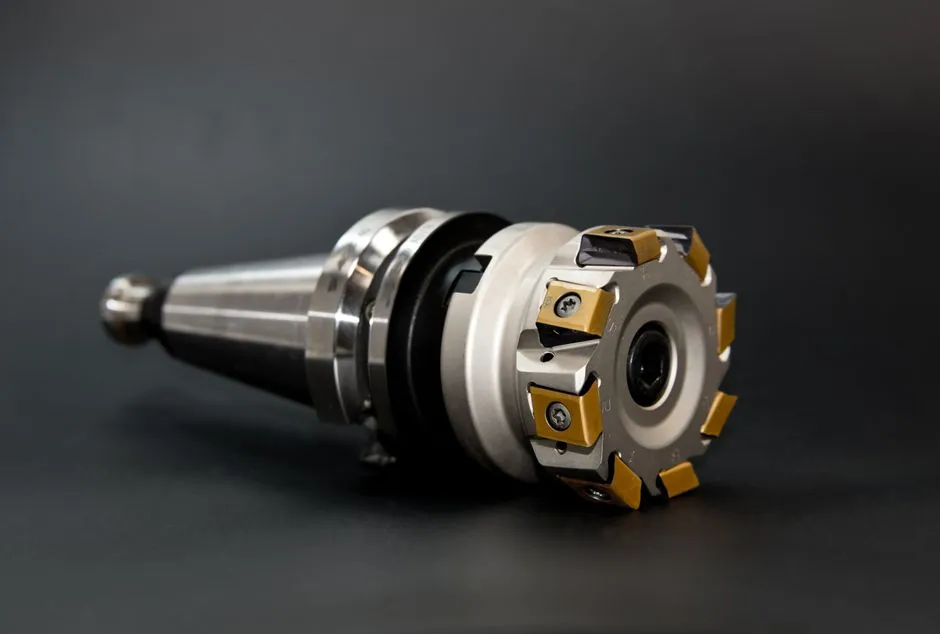
Industrial diamond and cubic boron nitride supply supports precision cutting, grinding, dressing, and polishing across automotive, aerospace, semiconductor, bearing, and toolmaking operations [S1][S6][S8].
Material compatibility is the primary selection boundary: diamond addresses hard metals, ceramics, glass, composites, and non-ferrous work, whereas CBN addresses hardened steels, ferrous materials, and selected superalloy applications [S3][S4][S8].
Choosing Diamond or CBN by Work Material
Industrial diamond and cBN supply should be specified against the workpiece chemistry, operating temperature, and process rather than hardness alone. A.L.M.T. describes cBN as having the second hardness of diamond and offers diamond/CBN grinding wheels, dressers for forming general whetstones and CBN wheels, and diamond cutting tools [S1].
The practical split is clear. Diamond wheels are suited to hard metal, ceramic, glass, carbon, graphite, paint, pigments, and composites. cBN wheels are suited to HSS, hardened steel above 50 HRC, and cast iron; diamond is unsuitable for ferrous grinding because high-temperature iron reactions can promote graphite formation [S3].
That breadth supports one-stop procurement, but it does not remove the need to verify chemical compatibility, hardness, temperature, and bond system for each operation.
Diamond and CBN Product Forms
Industrial diamond and cBN supply includes more than grinding wheels. Lach Diamond specifies diamond and cBN turning tools with surface quality of 0.1 µm and tool life up to 50 times longer than the comparison basis used by the supplier [S2].
A.L.M.T. lists diamond/CBN grinding wheels, rotary dressers, and diamond cutting tools among its product categories [S1]. A.L.M.T. says its dressers are diamond tools for forming general whetstones and CBN wheels, while polished diamond can form a sharp cutting edge for cutting tools [S1].
3M identifies synthetic resin-bonded diamond wheels for precise shape and dimensional control on small, complex workpieces [S7]. UKAM lists sintered metal bond, resin bond, hybrid bond, nickel electroplating, brazed bond, vitrified bond, and polycrystalline among its technologies [S5].
Comparison Across Four Decision Criteria

For material affinity, diamond fits hard non-ferrous and brittle materials, while cBN fits hardened and ferrous steels; for thermal behavior, cBN offers greater chemical stability and thermal resistance in the superalloy comparison, while diamond is vulnerable to thermal overload [S3][S4].
These criteria determine feasibility, not automatic superiority. cBN can provide longer life in steel grinding, whereas diamond is extremely wear-resistant in abrasive-material applications, but both outcomes depend on process control [S3].
Application Fit by Manufacturing Sector
Industrial diamond and cBN supply serves applications where conventional abrasives struggle with hard or difficult-to-machine material. The superalloy comparison identifies nickel-, cobalt-, and iron-based superalloys as high-temperature-strength, corrosion-resistant materials used in aerospace, power generation, and chemical processing [S4].
Precision turning is another defined use. Lach Diamond markets diamond and cBN tools for high-precision turning with a stated 0.1 µm surface-quality capability and up to 50x tool-life improvement [S2]. For grinding, wheel design must manage abrasive concentration, bond system, porosity, coolant penetration, chip evacuation, grinding force, heat generation, and surface integrity [S4].
A.L.M.T. says its diamond and cBN tools serve the automotive, tools, electronics, and semiconductor industries and are used in cutting, grinding, and polishing processes [S1].
Bond Systems, Coolant, and Process Control
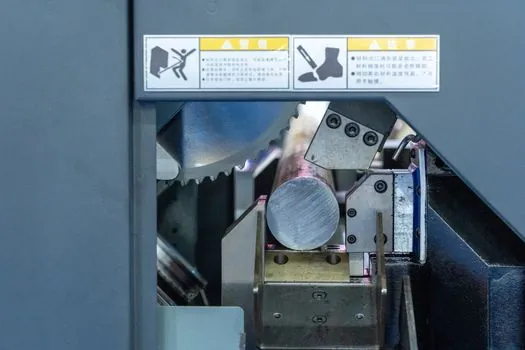
Industrial diamond and cBN supply depends on wheel construction because the bond controls heat transfer, dressing behavior, grain retention, and wheel life. Ceramic-bond cBN wheels are described as highly porous, supportive of coolant supply, and easy to dress, while hybrid-bond diamond tools combine metallic stability with ceramic self-sharpening effects [S3].
Laser-modified abrasive grains are used to improve chip formation, reduce grinding forces, and extend tool life in precision applications such as medical technology [S3]. Synthetic resin-bonded diamond wheels support precise geometry on small, complex workpieces [S7], while cBN requires controlled coolant in applications where thermal microcracking threatens process reliability [S3].
Resin, vitrified, and metal bonds are all identified for superalloy grinding, with each requiring the appropriate balance of abrasive retention and controlled wear [S4]. For operational monitoring, track surface roughness, wheel wear, grinding force, thermal behavior, coolant delivery, and dimensional drift rather than judging the wheel only by elapsed machining time.
Supply Risk and Procurement Controls
Industrial diamond and cBN supply should be secured with application-specific qualification, not a generic material designation. The documented portfolio includes 4 grinding wheel types, 4 dressers, 2 cutting wheel types, and 1 wire-drawing die type at A.L.M.T. [S1], while UKAM lists 7 bond or polycrystalline technologies and at least 8 named tool or consumable categories [S5].
Procurement records should capture abrasive type, bond, grade, concentration where applicable, wheel dimensions, work-material grade, hardness, process, coolant, and required finish. cBN is reported as lower manufacturing cost, while diamond can be more economical over a long service life despite a higher purchase price [S3]. This is why total cost per acceptable part is more useful than unit price alone.
Qualification evidence can include the 0.1 µm turning capability, the stated 50x tool-life improvement, and a wear test on the actual production material [S2]. For supply-risk mapping, the wider machined-part chain can be tracked alongside raw-material exposure, as shown in Build a Product-Line Supply Risk Heat Map.
Limits, Failure Modes, and Corrective Actions
Industrial diamond and cBN supply fails when the abrasive chemistry or thermal load is mismatched to the workpiece. Graphite formation from diamond interaction with iron is the documented failure mechanism for steel grinding [S3]. Diamond can also suffer thermal overload, while cBN can develop thermal microcracks when coolant application is inadequate [S3].
Other process failures are identifiable from the operating variables. A bond that retains grains too aggressively can impair dressing, while insufficient porosity can restrict coolant penetration and chip evacuation [S3][S4]. Excessive force or heat can compromise dimensional accuracy, surface integrity, fatigue life, and corrosion resistance in superalloy components [S4].
Corrective action follows the failure. Replace unsuitable diamond with cBN for compatible ferrous work, verify coolant delivery for cBN grinding, select a more open or thermally capable bond, and re-dress the wheel when loading or sharpness changes. The supplied research does not provide a universal wheel speed, feed, depth of cut, or coolant concentration, so those values must be established through the tool maker's process data and production trials.
The next trackable procurement signals are the specified abrasive grade and bond, the approved work-material range, and measured tool life per accepted part. Require these three data points for every diamond and cBN quotation before framework approval.