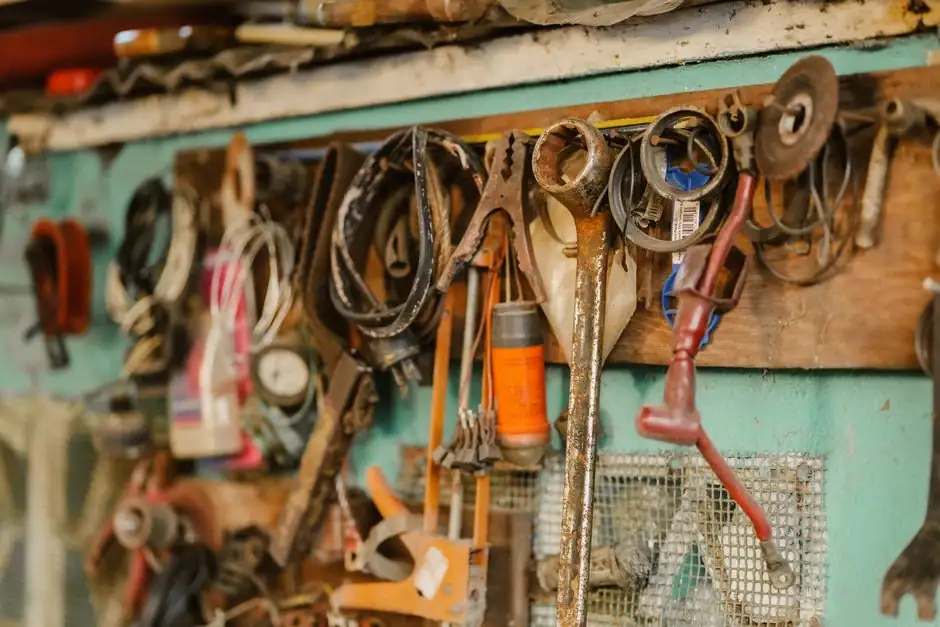
UL-classified insulated hand tools are tested to 10,000V to earn a 1,000V working rating, a 10-to-1 safety margin that defines the baseline specification for any live-line or near-energized task, including work performed from an aerial work platform [S2].
The selection problem compounds when the worker is also off the ground: dropped tools become dropped projectiles, and a glove-coated grip on a heavy molded handle is a torque-control problem of its own. This article maps voltage class, dielectric material, tether geometry, and standard conformance onto the four common work-at-height scenarios (overhead line crews, bucket-truck electricians, substation maintenance, and telecom/pole work), so a purchasing engineer can write a spec without leaving a gap.
Voltage Class and the 1,000V Working Rating
The single most consequential number on an insulated tool datasheet is the working voltage, not the proof-test voltage. A tool rated 1,000V AC working has been proof-tested at 10,000V under UL 60900 / IEC 60900 protocols, a 10:1 safety ratio that has been the de-facto industry floor for two decades [S2]. NFPA 70E requires insulated tools whenever the work is on or near energized parts greater than 50V, which in practice means almost every commercial and industrial task above battery voltage [S3].
For substation and 480V distribution work, a 1,000V set covers the entire task envelope; the same set is also the right call for 240V single-phase, 208V three-phase, and 120/208V panel work. Above 1,000V (medium-voltage utility 4.16kV, 13.8kV, 34.5kV) you leave the insulated tools category entirely and move to hot sticks, live-line tools, and class-4 rubber gloves with leather protectors rated to ASTM D120. Common catalog categories that carry the 1,000V rating: screwdrivers, nut drivers, pliers, cutters, cable cutters, T-handle hex keys, ratchets, sockets, adjustable wrenches, and combination wrenches [S6][S7]. Anything outside that list, including pipe wrenches, hammers, and most punches, is generally not available with a dielectric coating at all.
Dielectric Materials and the Two-Layer Molded Handle
Two material constructions dominate the market. The first is a forged tool-steel head with a dual-layer molded handle: a softer, high-friction inner liner (typically a thermoplastic elastomer) for grip, over-molded with a rigid, high-dielectric outer shell (typically nylon 11 or a PPE-blend rated to ASTM F1505 and IEC 60900). The second is the dipped-coat construction, where the steel tool is dipped in a PVC or NBR coating; dipped tools are cheaper and common on the consumer-grade shelf, but the coat is thinner, more easily nicked, and most manufacturers explicitly warn against using dipped tools on energized work [S1][S4].
For work at height, the molded-handle construction wins on three points: a thicker dielectric wall (typically 2-3mm versus 1-1.5mm for dipped), a defined barrier line visible at the handle-to-shank transition, and a more secure tether attachment point. Wiha's published catalog separates SlimLine, Standard, and Heavy-Duty insulated screwdriver lines, where the dielectric sleeve geometry and wall thickness are the actual engineering differences, not the handle color [S4]. Material choice at the steel end is conventional: chrome-vanadium for the head and shank, induction-hardened tips on screwdrivers, and induction-hardened cutting edges on pliers.
Tether Attachment: The Non-Negotiable for Elevated Work
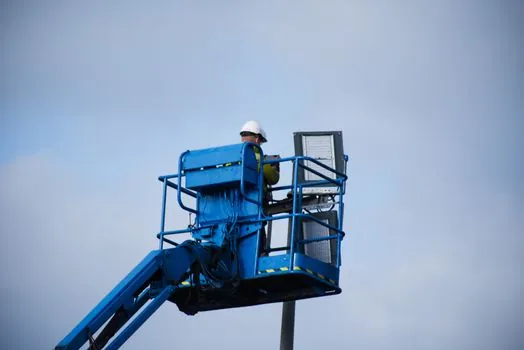
Dropped-object protection is the selection criterion that turns a standard insulated tool set into a height-rated set. ANSI/ISEA 121-2018 defines four tether attachment categories (A: tool under 0.5 lb / 0.225 kg, B: 0.5-1.0 lb, C: 1.0-3.0 lb, D: 3.0-6.0 lb, plus a separate E class for tools over 6 lb with no upper limit) and requires the attachment to withstand a 200 lb (890 N) static drop test with a defined 4:1 safety factor on the rated load. Most major manufacturers now offer factory-tethered versions of their 1,000V pliers, screwdrivers, nut drivers, and T-handle keys, with a dedicated anchor point molded into the handle base, not a hole drilled through the dielectric sleeve. [S4]
Avoid the temptation to drill your own tether hole through an insulated handle, because the hole cuts the dielectric barrier, removes the wall thickness at the stress point, and voids the certification. The factory-molded anchor or captive-loop handle is the only acceptable geometry, and it should be paired with a coiled or elastic lanyard sized to keep the tool within the worker's reach envelope (typically 1.2-1.8m of relaxed length for overhead-line work). For bucket-truck and aerial work truck applications, the secondary concern is swing radius: a 1.5m lanyard plus a 0.4m tool can still strike an adjacent phase, so shorter 0.6-0.9m tethers are the standard inside a man-basket.
Comparison of Insulated Tool Construction Types for Elevated Work
Three construction types compete for the height-work spec, and the choice is not price-driven, it is certification- and tether-driven. Forged-steel-with-dual-molded-handle tools (Wiha, Klein, Knipex, Teng Tools) carry both the 1,000V rating under IEC 60900 and a factory-molded tether point, at a unit cost roughly 3-5x a dipped tool. Dipped-PVC tools (consumer and value-tier) carry a 1,000V rating on paper but lack an integrated tether point and the dielectric wall is thin enough that field damage from a dropped tool becomes a probable insulation failure. Non-sparking beryllium-copper or aluminum-bronze tools address the flammable-atmosphere case, not the height-work case, and they are not certified to IEC 60900; they are specified under ATEX 2014/34/EU and FM Approval for zones where the hazard is ignition, not shock. [S1]
For a balanced overhead-line or substation kit, the right answer is the dual-molded 1,000V set with a tether anchor, paired with a non-sparking set only if the task also enters a classified hazardous area. Buying a dipped tool because it is half the price is the most common spec error in this category, and it usually fails the first pre-shift visual inspection when the dielectric is nicked at the bite of a pliers jaw.
Inspection, Storage, and Field Failure Modes
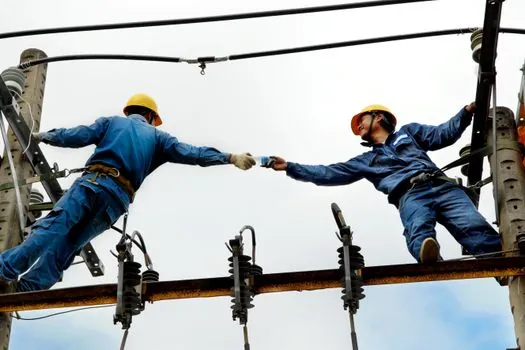
A 1,000V tool that has been dropped from 2m onto a substation pad and continues to look intact may still have cracked the dielectric, which is why the pre-shift routine is as important as the spec. The published field routine is: visual at arm's length for cuts, nicks, and exposed metal at the barrier line; a second visual under a flashlight at the jaw, tip, and any hinge area; a date check on the last factory recertification (most manufacturers recommend a 12-24 month re-test cycle for daily-use tools, 36 months for occasional-use tools); and a formal dielectric re-test at 10,000V before returning the tool to service if any damage is suspected [S1][S7].
Storage matters as much as the tool itself. Insulated tools stored in a damp bucket, a hot truck bed, or next to solvents lose the elastomer grip and develop surface micro-cracks that are invisible to the eye but visible to a 10kV hipot test. The accepted storage practice is a dry, climate-moderated case, lay-out foam in a hard case, no contact with hydrocarbons, and a visual barrier between the tool head and any other metal in the case. Teng Tools' 2026 update to its electricians' guide adds organized foam trays and dedicated insulated-pouch storage as part of the kit, a direct response to field reports of dielectric degradation from improper storage [S7].
Standards, Ratings, and What to Write on the Purchase Order
Five standards govern this product category, and a clean purchase order should name all five. ASTM F1505 is the US standard for insulated hand tools; IEC 60900 is the global standard and the one cited on most CE-marked tools; NFPA 70E defines the work practices that require insulated tools at 50V and above [S3]; ANSI/ISEA 121-2018 defines the drop-test and tether geometry for elevated work; and ASTM F3121 (or the manufacturer's own drop-test certificate) covers the tool-as-tethered-system. For the EU, VDE 0680-201 and the GS mark are the visible conformance marks; for North America, the UL classification mark with adjacent IEC 60900 mark is the most common dual rating.
Write the PO this way: 1,000V AC working rating per ASTM F1505 and IEC 60900; dual-molded handle with factory-molded tether anchor; tether system rated to ANSI/ISEA 121-2018 with a 4:1 safety factor on the rated load; chrome-vanadium forged steel head; induction-hardened cutting edges or screwdriver tips; storage case with foam cutouts sized to each tool. The application-side selections that pair with this kit are covered separately in the welding spec map and the firefighting selection guide; for food-and-beverage lines where washdown and hygienic storage are added constraints, see the food-processing spec map.
Track the next two signals for spec maintenance: any 2026-2027 revision to ASTM F1505 tightening the dielectric wall thickness minimum (public-comment drafts are typically posted 6-9 months before the final publication), and any update to the IEC 60900 mechanical-impact drop test value, which currently sits at 1.0m onto a steel plate for most hand-tool categories and is the single test most often failed by budget-tier dipped tools.