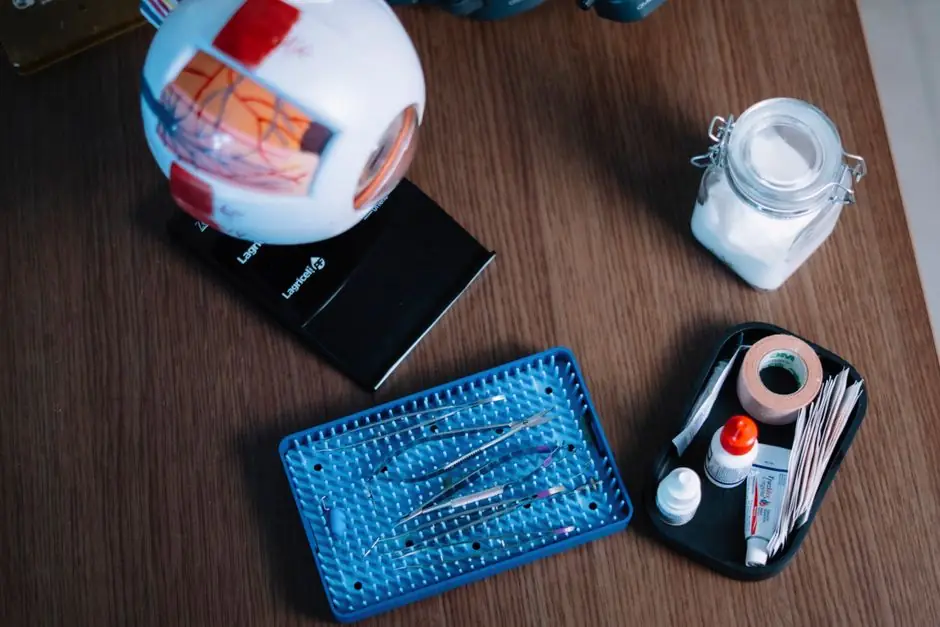
A lab first aid kit is not a generic first aid kit: it is a hazard-class-specific assembly that must satisfy OSHA 1910.151 medical-services and first-aid language, ANSI/ISEA Z308.1 minimum fill requirements, and lab-specific additions for chemical splash, burn, and eye exposure [S4].
Selection is driven by four axes simultaneously: number of occupants served, types of injuries anticipated (chemical burn vs. cut vs. fracture vs. anaphylaxis), required fill standard (ANSI Z308.1-2021 Class A/B or DIN 13157 85-piece), and proximity of a compliant eyewash station [S2][S3][S4].
Regulatory baseline: OSHA 1910.151 and eyewash placement
OSHA 29 CFR 1910.151(b) requires that "adequate first aid supplies shall be readily available" when no infirmary or hospital is in near proximity to the workplace, and 1910.151(c) mandates that "suitable facilities for quick drenching or flushing of the eyes and body shall be provided within the work area for immediate emergency use" wherever corrosive materials are present [S4]. This makes an ANSI-rated first aid kit necessary but not sufficient for any wet-chemistry, analytical, or biological lab; an eyewash must be co-located, and the kit alone does not satisfy 1910.151(c).
University EHS programs (University of Wisconsin, University of Minnesota) reinforce this by recommending kits be augmented with supplies tailored to local hazards rather than purchased as a single off-the-shelf unit, and by pointing lab managers at OSHA's "First Aid Kit, Scientific Review" for kit composition logic [S2][S4].
ANSI/ISEA Z308.1: Type, Class, and component count
ANSI/ISEA Z308.1 is the dominant US fill standard, organized along two axes: Type I/II (mountable, indoor, weather-resistant) vs. Type III (portable, hand-carry), and Class A (common workplace injuries, minimum fill) vs. Class B (higher-risk, expanded fill including a 6 oz. eyewash, burn dressings, and a tourniquet) [S4].
Concrete component-count tiers seen in vendor catalogs tied to Z308.1: a 72-component Class A Type III kit, a 110-component Z308.1-2009 Type III kit, and a 457-component Z308.1-2021 Type I/II Class B kit rated for 50-99 people [S4]. For a 2-24 person academic teaching lab, UW EHS guidance points at the 72- or 110-component Class A kits rather than the 457-component Class B, which is sized for industrial populations of 50-99 [S4].
DIN 13157: the European 85-piece chemical-lab baseline
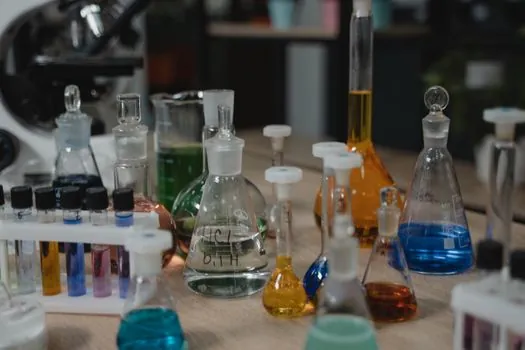
In EU markets, the equivalent baseline is DIN 13157, an 85-piece kit that the manufacturer literature explicitly positions as the "compliant basic equipment" plus an "extension for chemical and laboratory-specific hazards" in a robust, impact-resistant orange case [S5]. DIN 13157 is the German workplace first-aid standard used as the procurement reference for many EU university and pharmaceutical labs; the orange case is a visual indicator recognized under German workplace safety conventions.
For a direct chemical-lab comparison: DIN 13157 (85 pieces, EU), ANSI Z308.1-2021 Class A (72 pieces, US small lab), and ANSI Z308.1-2021 Class B (457 pieces, US industrial). The relevant decision criteria are population served (2-24 vs. 50-99), chemical-splash risk (low vs. high), and the need for a co-mounted eyewash (always required under OSHA 1910.151(c), but the Class B kit integrates a 6 oz. bottle, whereas DIN 13157 and Class A kits do not) [S4][S5].
Lab-specific additions beyond the standard fill
Standard ANSI and DIN fills cover the generic trauma inventory (gauze, bandages, antiseptic, gloves, scissors, CPR barrier) but do not by themselves cover the four lab-typical injury patterns. EHS checklists consistently call out burn dressings (hydrogel for thermal, not just dry gauze), chemical-neutralizing supplies (calcium gluconate for hydrofluoric acid, sodium bicarbonate or specific spill neutralizers matched to the chemical inventory), sterile saline for eye flush (the 6 oz. bottle in a Class B kit is a stopgap; plumbed eyewash is the real control), and an epinephrine auto-injector where anaphylactic allergens (latex, certain biologicals) are present [S1][S2][S3].
A 2024 American Heart Association / American Red Cross guideline citation (carried forward into a 2026 review) similarly flags eye/skin wash solution and chemical-burn and eye-injury provisions as critical additions to the minimum kit fill in any lab setting [S8]. Unitized, single-dose packaging with dust- and moisture-resistant cases is the preferred physical form factor for sterility, and latex-free components are now baseline in vendor offerings (e.g., the Honeywell 019750-0034L laboratory kit) [S1][S3].
Kit options available to lab buyers
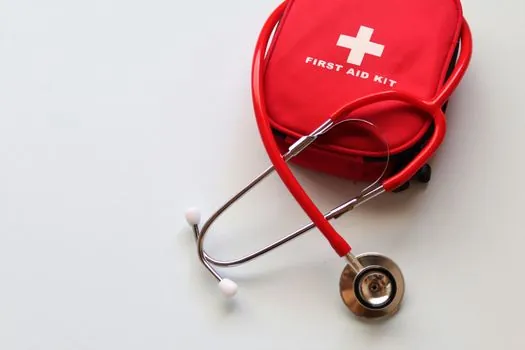
Concrete lab-targeted kits in the current market: the Honeywell 019750-0034L "25-person laboratory kit" (unitized fill, latex-free, ANSI Z308.1-2003 compliant, list around USD 4,077) [S1][S7]; a generic 85-piece DIN 13157 chemical-lab kit in an orange case for EU procurement [S5]; and a wall-mounted Chinese OEM kit (HXC-033GM) explicitly oriented to "chemical injury emergency response" with multifunctional auxiliary tools [S6]. Each option is positioned to a different regulatory and price point: DIN 13157 for EU compliance, Z308.1 for US compliance, and OEM wall-mounted units where local price outweighs certification pedigree.
For a 2-24 person teaching lab in the US, the practical baseline is a Z308.1-2021 Class A Type III kit (72 or 110 components) plus a plumbed eyewash meeting ANSI Z358.1 within 10 seconds of the hazard, burn dressings, and chemical-specific neutralizers selected from the lab's SDS inventory [S4]. A broader cross-sector view of how kit classes map to other regulated environments is laid out in this Chemical Plant First Aid Kit Spec Path reference, which uses the same ANSI Class A/B framework.
Selection criteria and rejection modes
Use this four-criterion filter when comparing kits: (1) fill standard and revision year stated on the label, (2) class A vs. B matched to your chemical inventory, (3) component count per served population (Class A: minimum fill; Class B: expanded including 6 oz. eyewash, burn dressing, tourniquet), (4) case rating (Type I/II mountable indoor vs. Type III portable) [S4]. Reject any kit that does not print the Z308.1 revision year on the case, ships with latex components (a 2026 baseline allergen), or has a sealed/unresable case that blocks inspection of expiry dates [S1][S3].
Two enforcement signals to track: state-level OSHA adoption of Z308.1-2021 (the 2015 and 2021 revisions expanded Class B requirements, and several state plans have not yet adopted the latest revision), and whether your institution's procurement system is forcing the "minimum cost kit" path, which almost always lands on a sub-50-piece Class A unit inadequate for any lab with corrosives [S4]. For facilities with broader occupational risk profiles, the Oil and Gas First Aid Kit Selection piece covers the higher Class B / remote-site branch of the same spec tree.
For component-level specifications, see dye penetrant kit, and pressure transmitter.