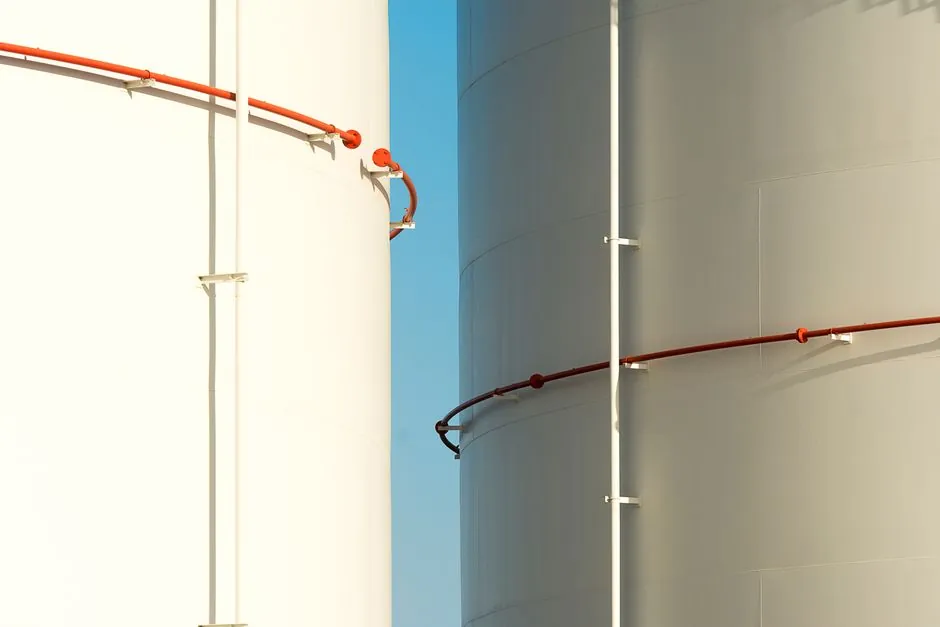
Liquid nitrogen and liquid argon both require vacuum-insulated cryogenic vessels, but nitrogen suits inerting, cooling and cryopreservation, while argon concentrates on shielding and welding atmospheres.
Cryogenic liquids are typically liquefied gases at -153 °C or lower, while storage vessels for liquid oxygen, liquid nitrogen, and liquid argon are commercially available in capacities from 350 to 13,000 U.S. gallons [S3][S2].
Choose by service duty, not simply by gas name
Liquid nitrogen is used for cooling, blanketing, pressurisation, and food freezing, while cryogenic liquids generally are also used for storing biological samples [S1][S3].
Liquid argon is the better fit where an inert shielding atmosphere is required, including protection of molten metals during welding, because argon is a noble gas that remains chemically inert in these applications [S1][S4].
Neither liquid is flammable, but both can cause cold burns, frostbite and oxygen displacement. Their principal hazards are exposure to cryogenic temperature and asphyxiation by inhalation, rather than combustion [S4].
Compare tank architecture, pressure and capacity
Cryogenic tanks must combine an inner pressure boundary with high-performance thermal insulation, and commercial storage vessels for liquid oxygen, nitrogen and argon span approximately 1,325 to 49,200 L, based on 350 to 13,000 U.S. gallons [S2].
For a fixed-site installation, specify a static vessel with foundations designed by the site and tank supplier, plus safe tanker access for replenishment. Mobile or transportable vessels fit workshop and laboratory duties, while transportable pressure equipment is subject to dangerous-goods carriage requirements [S3].
A practical decision comparison is: LIN generally provides broader application coverage and higher boil-off concern, LAR addresses shielding demand and can reduce operator training complexity where only argon is required, and both gases demand the same vacuum-insulated pressure-vessel architecture. Choice should therefore follow process duty, delivery mode, consumption profile and site layout.
Use insulation and venting to control boil-off
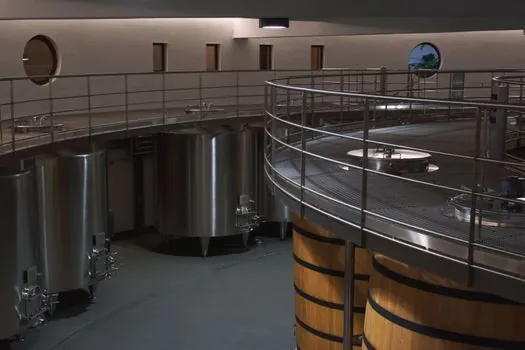
Vacuum insulation is the principal control for reducing heat ingress and evaporation loss, while redundant pressure-relief devices protect against overpressure [S9]. A static tank also needs controlled venting because warming cryogenic liquid generates vapour and raises internal pressure [S4].
Portable liquid containers use a double wall, a vacuum in the annular space and multilayer insulation; their construction supports use where portable or transportable supply is required [S6].
Do not select a larger vessel merely to reduce tanker frequency. Net storage capacity must cover refill logistics, withdrawal demand and emergency hold time, but an undersized tank can create delivery pressure while an oversized tank increases capital cost, footprint and exposed surface area. Base sizing on measured draw and boil-off data rather than generic nameplate volume.
Match the vessel class to the installation
Choose a pressurised cryogenic tank when the installation requires controlled withdrawal, a dedicated filling connection, or operation as part of a larger gas supply and distribution system [S3][S5].
Choose an open, non-pressurised dewar only when direct access to the liquid is required. Laboratory dewars may use a loose lid or stopper to exclude air and moisture while allowing excess pressure to escape, and BCGA CP 30 provides best-practice guidance for nitrogen dewars [S4][S3].
Account for pressure, installation and maintenance constraints
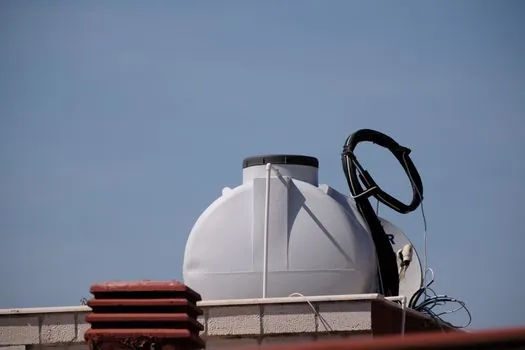
Static cryogenic tanks are pressure vessels and require a validated design for defined operating conditions. Changing the operating regime or physical structure can invalidate that basis, particularly because the inaccessible inner vessel and interspace pipework of a vacuum-insulated vessel make thorough internal examination difficult [S3].
Location, foundation and installation responsibilities must be agreed before equipment is delivered. Safe and adequate access for replenishment tankers is a design requirement, not an operating convenience to resolve after installation [S3].
For oxygen, nitrogen and argon installations in the United Kingdom, BCGA CP 36 covers location and installation considerations. Pressure-system inspection and maintenance should follow the applicable legislation, with BCGA CP 39 providing specialist guidance for examination regimes [S3].
Apply the correct standards and procurement controls
Cryogenic tanks serve as key components of complete storage systems that work with vaporizers and related equipment to provide a reliable gas supply for industrial applications [S1].
Confirm alloy, wall thickness, design pressure, full vacuum, allowable fill, relief-device settings and test requirements in the purchase specification rather than relying on a generic cryogenic-tank description.
For transportable vessels, verify compliance with the Carriage of Dangerous Goods and Use of Transportable Pressure Equipment Regulations, while static installations require compliance with the Pressure Equipment (Safety) Regulations [S3].
Select the gas and vessel format per application
Use liquid nitrogen when the process needs one inert cryogenic fluid for cooling, purging, blanketing, pressure supply, freezing or biological preservation. Select a static vacuum-insulated tank for continuous withdrawal or high throughput, and a portable cylinder or dewar for temporary or laboratory quantities [S1][S4][S6].
Use liquid argon when the primary demand is welding shielding, inert atmosphere control or another noble-gas application. A horizontal low-pressure tank is suitable for laboratory or plant mobility, while a fixed bulk vessel is appropriate where continuous replenishment and plant-scale consumption justify dedicated foundations and vaporization equipment [S1][S5].
The closing specification check is straightforward: confirm the selected gas, 300–2,000 L or bulk capacity, operating and design pressures, vacuum-insulated construction, relief and vent arrangement, foundation, replenishment access, inspection regime and applicable design code. Track two procurement signals before approval, the vendor's signed general-arrangement drawing and the vessel's certified design basis for pressure, temperature and vacuum loading [S3][S5].