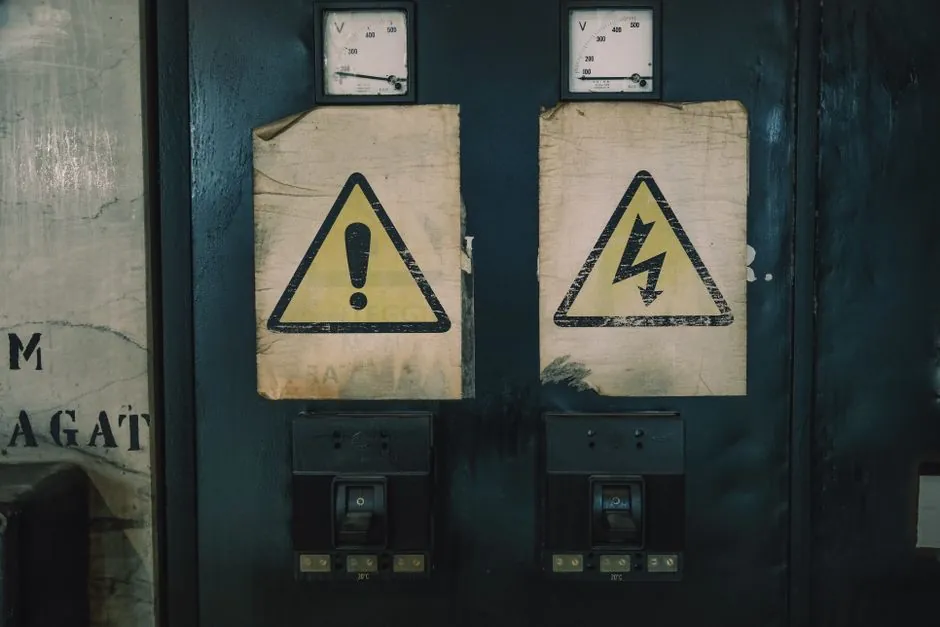
Standard low-voltage switchboard procurement requires 32–41 weeks, while low-voltage switchgear requires 54 weeks in 2026.
Planning must account for separate lead times across equipment categories, including 21–32 weeks for panelboards, 32–41 weeks for switchboards, 44 weeks for medium-voltage switchgear, and 26–58 weeks for low-voltage data-center gear.
Low-voltage switchboard lead-time ranges
A 2026 equipment index places low-voltage switchgear at approximately 54 weeks, switchboards at 32–41 weeks and panelboards at 21–32 weeks across new United States orders [S2]. Standard panelboards require 21–32 weeks, while standard switchboards require 32–41 weeks.
Data-center estimates of 26–58 weeks for low-voltage gear also reflect specific package boundaries, so they should not replace a manufacturer’s commitment for the approved design [S7].
Commercial buyers should record each figure in weeks from confirmed purchase order rather than from RFQ issuance or technical approval. The operative assumption must include the manufacturing slot, approved drawings, customer witness points, shipping, site delivery, installation and commissioning before an energisation date is accepted.
Compare the main switchboard classes
The main procurement comparison is between standard panelboards, MCCB-incomer switchboards, ACB-incomer switchboards, motor-control centres and switchboards incorporating lead-screw or ball-screw operated equipment. The class changes the manufacturing queue, approval burden and installation scope rather than simply the quoted duration. [S1]
This comparison is suitable for early planning, not for contractual delivery. The final commitment must reflect the approved one-line diagram, breaker and manufacturer model codes, short-circuit ratings, busbar rating, enclosure type, instrumentation, communications and testing scope.
Which equipment type fits the project
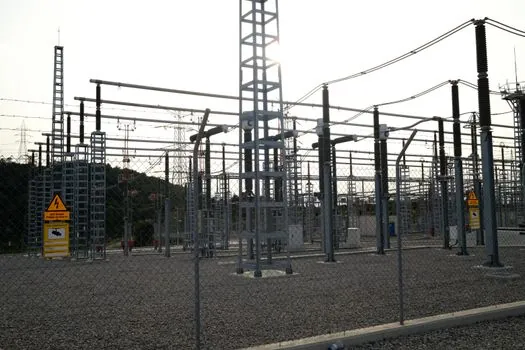
Standard panelboards fit ordinary commercial and light-industrial distribution where modular breakers, modest busbar ratings and repeatable sections are sufficient. One 2026 index places panelboard lead times at 21–32 weeks.
Standard switchboards with MCCB incomers suit larger industrial and commercial loads where sectionalisation, outgoing breakers and integrated protection are required [S1].
Motor-control centres are a separate procurement path from distribution switchboards.
Data centers may require a dedicated package because feeder redundancy, fault-current performance, busway coordination and commissioning sequences can change the manufacturing scope. The 26–58 week low-voltage range reported for data-center switchgear should therefore be validated against the complete feeder, busway and protection package [S7].
Schedule risks beyond the manufacturing slot
The manufacturing slot is only one dependency. Copper tariff volatility has increased component uncertainty, while data-center, cloud, electrification and reshoring demand has absorbed substantial OEM capacity [S1]. Siemens’ planned 550,000-square-foot, $185 million Georgia plant for low-voltage power-distribution components was scheduled to begin construction in November 2026, with hiring from 2027 and full buildout extending roughly three years, so it does not remove the 2026 delivery constraint [S5].
Design changes can restart approvals even when fabrication has begun. The critical controls are a frozen bill of materials, breaker model numbers, relay settings, busbar calculations, protection coordination, schematic review and approved vendor drawings. Utility-required witness or factory acceptance testing must be scheduled before shipment rather than treated as an installation activity.
Shipping and site conditions create additional exposure after factory release. Standard freight can be disrupted by vessel, rail or truck constraints, while confined site access may require a lifting plan, unload sequence and just-in-time delivery. A factory-ready board can still miss energisation if crane availability, cable pulling, transformer readiness or utility approval is not coordinated.
The wider project context is visible in order books. Powell reported a book-to-bill ratio of 3.0 and a $2.4 billion MV/LV switchgear backlog as of August 3, 2026. These figures do not establish a delivery date for one board, but they explain why an old catalogue lead time is not a valid procurement assumption.
Build procurement and commercial controls
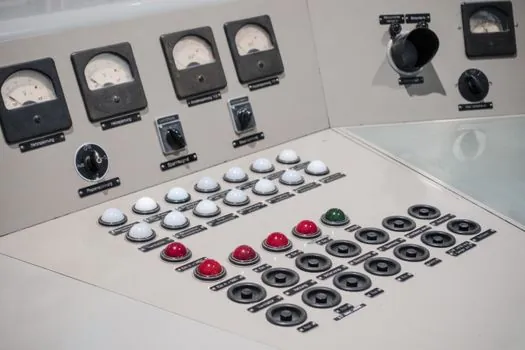
Issue the switchboard RFQ early enough to obtain manufacturer slot confirmation and include the long-lead board list, ratings, quantities, approved-vendor list, drawing issue dates, testing scope and delivery terms. A specific bid statement is more useful than a generic allowance: “Main switchboard: 52 weeks from confirmed PO,” followed by the engineering and commissioning allowance needed before energisation [S1].
Procurement can reserve slots during preconstruction, before final construction documents, but that decision must balance the cost of long-lead equipment against the risk of buying the wrong configuration. Escalation protection and liquidated damages should address the actual contractual delivery point, normally shipment or site delivery, rather than commissioning that the supplier cannot control.
For vendors, the factory schedule must expose the dates that matter: drawing approval, release to production, FAT, shipment, delivery and warranty commencement. For contractors, the procurement schedule should add site receipt, installation, testing, fault-record review, protection settings and utility energisation. The crossed-roller guide and linear actuator are relevant only when they form part of the specified switchboard mechanism, and their procurement should not be confused with the board’s main lead time.
Standards and source discipline
Lead-time data supports procurement planning, not design approval. Switchboard specifications still require the applicable project codes, protective-device standards, busbar temperature-rise criteria, insulation coordination, short-circuit withstand ratings, earthing arrangements, factory-test requirements and documented calculations. IEC 61439 series requirements are commonly used for low-voltage switchgear assemblies, while IEC 60947 series requirements apply to relevant low-voltage switchgear and control devices, but neither designation replaces project-specific verification. [S3]
For United States projects, equipment and installations may also fall within NEC, NEMA and listed-product requirements, while NFPA 70E affects safe work practices during installation, testing and service. No single lead-time source establishes compliance with those requirements. The equipment schedule must identify the governing edition and acceptance test applicable to the project rather than attaching a generic standards label.
Schneider Electric released its low-voltage products and systems lead-times guide on 3 November 2026, but the public document index does not provide enough visible detail to substitute its manufacturer-specific figures for the cited ranges [S4]. Estimators should use dated OEM quotations, factory acknowledgements and documented revision dates, then preserve those records with the procurement schedule.
Track three signals before approving the programme: written manufacturer slot allocation, approved drawings against the frozen bill of materials, and a delivery plan that includes FAT, shipping and site readiness. If any one remains unconfirmed, keep contingency around the equipment release rather than treating the quoted week count as a guaranteed energisation date.