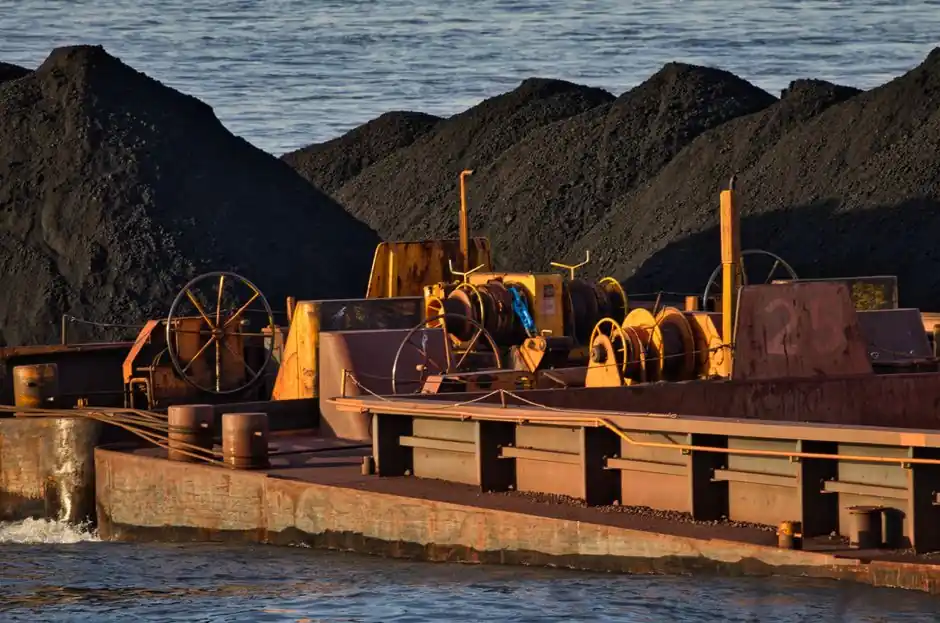
Needle coke is commonly used in the production of high-power graphite electrodes for steel production in electric furnaces [S5].
Global needle coke supply spans coal-tar pitch and petroleum feedstocks, with calcined, intermediate, premium, and super-premium grades serving different electrode and battery applications [S4].
Needle coke supply and graphite electrode production
The needle coke market covers graphite electrodes, lithium-ion batteries, and specialty graphite products, as well as steel-industry, battery-manufacturer, industrial, aerospace and defense, nuclear and energy-equipment, and other end uses [S4]. The market structure therefore separates electrode-grade demand from battery-grade demand rather than treating all needle coke as interchangeable.
Coal-based versus petroleum-based feedstock
The principal comparison is between coal-based and petroleum-based needle coke. Coal-based material is produced from coal tar, pitch, or their fractions, while petroleum-based material uses heavy oil [S2]. Coal-based grades can provide favorable thermal and electrical properties for electric-furnace electrodes, while petroleum-derived grades form a large part of the premium feedstock base for ultra-high-power electrodes [S1][S4].
Selection should therefore follow the electrode grade, feedstock consistency, sulfur and metal content, calcined-product performance, and supply agreement rather than a simple coal-versus-oil rule. Needle coke is a delayed-coking product, and the key commercial grades are intermediate, premium, and super premium, with green and calcined forms distinguished by processing stage [S4].
Capacity, utilization, and procurement constraints
In the same year, coal-based production was 312 kt and oil-based production was 176 kt. These figures identify utilization and operating discipline as central supply variables rather than treating nameplate capacity as deliverable supply.
For electrode manufacturers, the practical risk is grade mismatch. A high calculated output of ordinary material does not guarantee adequate quantities of ultra-high-power or super-premium coke with the required electrical, thermal, and mechanical consistency. Contracts with refiners and coke producers should therefore specify grade, physical-property limits, sulfur and metals controls, delivery form, volume, and qualification requirements.
Electrode performance is the procurement benchmark
Needle coke is commonly used in the production of high-power graphite electrodes for steel production in electric furnaces [S5].
Electrical performance is not the only test. Refractory and mechanical behavior, density, green and calcined properties, impurity levels, and lot consistency all influence electrode fabrication and furnace operation. Mott Corp identifies high purity as a fundamental requirement for needle coke used in electrodes for steel and aluminum production furnaces [S6].
Such patent-defined formulations show why raw-material modification and processing control are integral to performance, but a patent composition should not be treated as a universal commercial specification.
Alternative applications compete for suitable coke
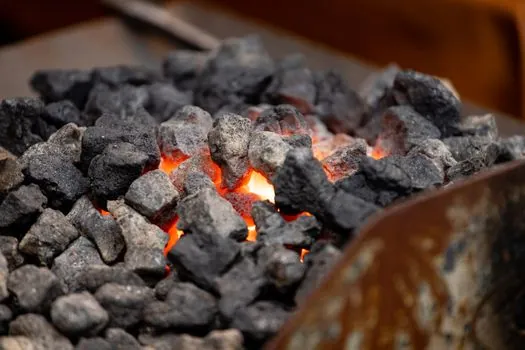
Lithium-ion battery anodes create a second demand pool for needle coke, and the shift of graphite-electrode production toward ultra-high-power grades increases the need for higher-quality material [S2]. The global market was valued at USD 3.7 billion in 2025, with a projection to USD 6.4 billion by 2036 and a 5.0% compound annual growth rate for 2026–2036 [S4].
The global needle coke market was valued at USD 3.7 billion in 2025 and is projected to reach USD 6.4 billion by 2036 [S4]. The stated growth drivers include electric arc furnace steelmaking and expansion of lithium-ion battery manufacturing, with battery-grade demand focused on purer, calcined material [S4].
This creates allocation pressure between end markets. An electrode buyer may have adequate aggregate tonnage available while remaining short of a specific premium grade. Procurement teams should maintain separate qualification tracks for electrode coke and battery coke rather than assuming that either category can absorb spare production from the other.
Supply signals for electrode buyers
Three measurable signals deserve attention: the spread between nameplate and operating needle coke capacity, refinery outages affecting heavy-oil feedstock, and qualification lead times for premium or ultra-high-power grades [S2][S4]. The 2020 Chinese figures, with 1,490 kt of capacity against 488 kt of output, demonstrate why actual production and qualified grade availability matter more than announced capacity [S2].
Buyers can reduce exposure by dual-sourcing coal-based and petroleum-based feedstocks where electrode recipes permit, holding specification limits for thermal expansion, electrical resistance, impurities, and mechanical behavior, and monitoring producer allocation between UHP electrodes and battery anodes [S1][S4]. Track each supplier's delivered tons by qualified grade, not only total contracted volume.