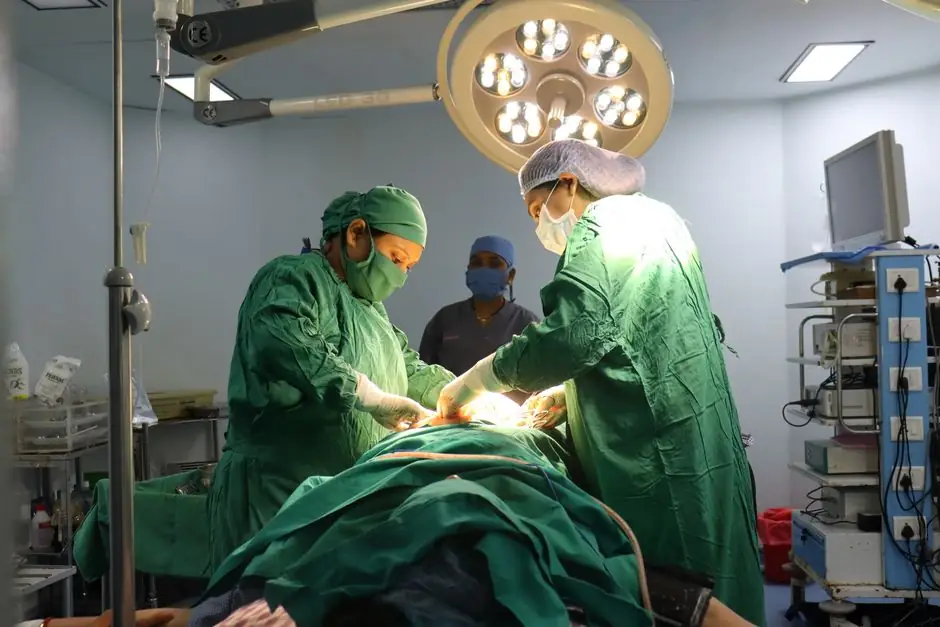
PSA oxygen generators provide on-site oxygen production, while liquid oxygen is delivered in bulk and vaporized on-site.
The decision is driven by demand stability, purity, logistics, infrastructure, and outage exposure across hospitals, steel plants, and other high-consumption facilities [S1][S3][S5].
Decision Criteria: Purity, Demand and Control
Pressure swing adsorption, or PSA, separates oxygen from compressed ambient air with molecular-sieve beds; a typical hospital PSA plant includes an air compressor, dryer, filters, receiver, PSA unit, buffer tank, optional booster, optional filling ramp, and medical-gas pipeline connection [S2].
Bulk liquid oxygen uses a cryogenic tank, pressure-building system, safety valves, ambient vaporizer, pressure-control unit, and pipeline connection; the supplier delivers liquid oxygen, which is vaporized and regulated before entering the hospital gas network [S2].
For industrial steel production, welding, cutting, and chemical processing, procurement is usually weighted toward volume supply and cost efficiency rather than the traceability required for medical oxygen [S5]. For hospitals, quality control, traceability, and regulatory compliance are central because the gas supports operating theatres, intensive care, emergency departments, neonatal care, and patient wards [S2][S5].
Plants evaluating oxygen detection and process safety should consider fixed-gas detectors alongside the supply design, but detection equipment does not resolve purity, capacity, or logistics constraints.
PSA Versus LOX: Criteria-Based Comparison
This comparison makes the trade-off explicit: PSA wins on supplier control and operating cost at steady demand, while LOX wins on delivered purity, bulk-volume flexibility, and faster implementation without a generator package [S2][S3][S7].
Hospital Selection by Demand and Infrastructure
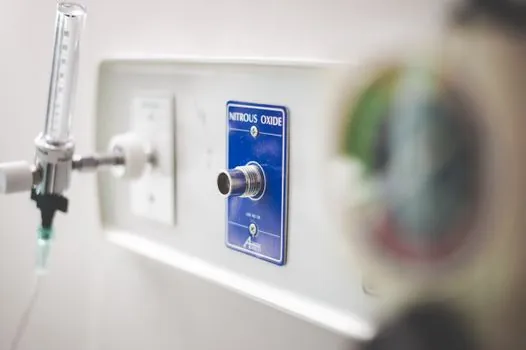
PSA systems enable continuous on-site oxygen generation, and their suitability depends on hospital size, oxygen demand, available infrastructure, and budget.
The suitability of LOX and PSA systems depends on hospital size, oxygen demand, available infrastructure, and budget. Its weaknesses are supplier dependency, tank leases or minimum-order terms, refill scheduling, and possible exposure to delivery interruptions [S1][S3].
Cylinder delivery remains sensible for low-volume or irregular facilities and for backup, because individual cylinders can be moved and replaced without installing a full bulk plant; the disadvantages include rental, handling, storage, labor, and uncertain remaining contents [S1][S8]. Hospitals should not treat cylinder inventory as a complete long-term supply strategy without sizing it against clinical demand and the facility contingency plan.
Steel Plant Selection: Volume, Quality and Interruption Cost
For steel production, welding, cutting, and chemical processing, PSA is technically suited to continuous processes because it removes recurring purchased-oxygen deliveries and exposes operating cost mainly through electricity and maintenance [S3][S5].
Liquid delivery gives a steel plant access to high-purity oxygen without the PSA plant's compressor, dryer, adsorbent, and buffer-system maintenance burden [S3]. It is the better option when demand varies sharply, the site lacks electrical or maintenance capacity, or bulk supply can be contracted at competitive cost; its weakness is that delivery delay becomes a direct production risk [S3].
Medical and industrial oxygen should not be treated as interchangeable products. Medical oxygen requires strict traceability and compliance with health-sector requirements, while industrial buyers generally optimize for cost efficiency and volume supply [S5]. A steel plant should specify the oxygen quality appropriate to the process and contractual delivery specification rather than borrow a hospital supply decision.
Reliability, Maintenance and Failure Modes
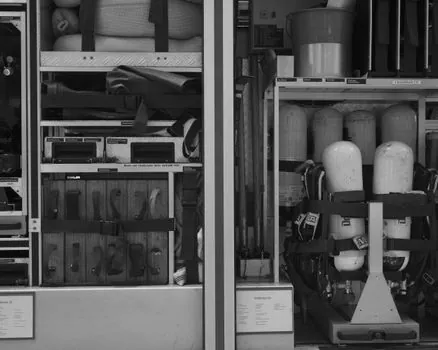
PSA removes routine delivery and refill scheduling from the supply chain, but it transfers responsibility to the site's electrical supply, compressor, air preparation, adsorbent beds, buffer storage, controls, and preventive maintenance [S2][S3].
LOX removes generator-system maintenance but retains exposure to tanker availability, refill windows, cryogenic storage, vaporizer performance, pressure-building equipment, and supplier contract terms [S1][S2][S3]. Hospitals using LOX also need a clear response to delayed refills because clinical demand can remain continuous [S2].
PSA sizing must reflect stable consumption rather than a peak-only calculation, because minor fluctuations are manageable but unstable demand can require added equipment or operating adjustments [S3]. LOX operations face the opposite commercial exposure: an adjustable delivery volume can match demand, but excess supply can create inventory cost while shortages can interrupt production [S3].
For oxygen systems, area classification and electrical-area controls require project-specific review. Selection of a combustible gas detector or oxygen detector should follow the site hazard assessment rather than serve as a substitute for safe siting and oxygen-system engineering.
Cost and Control Over the Contract Life
PSA normally requires more capital than liquid delivery, but it removes recurring purchases of the produced gas and reduces dependence on external price and delivery schedules [S3]. Liquid delivery starts with a lower capital requirement, while the facility continues paying for oxygen, transportation, storage, and equipment service [S1][S3].
The resulting choice is not simply capital cost versus operating cost. A hospital with low or irregular demand may gain more from cylinders or LOX flexibility, whereas a hospital with steady consumption can gain better long-term value from generation [S8].
Commercial contracts can alter the apparent advantage of LOX because suppliers may offer scalable delivery volumes but require long-term agreements or minimum purchase levels [S1][S3]. A steel plant should compare the full package: electricity, maintenance, labor, replacement parts, outage risk, oxygen purchase, transport, tank lease, and minimum-order exposure.
Sourcing and Implementation Checklist
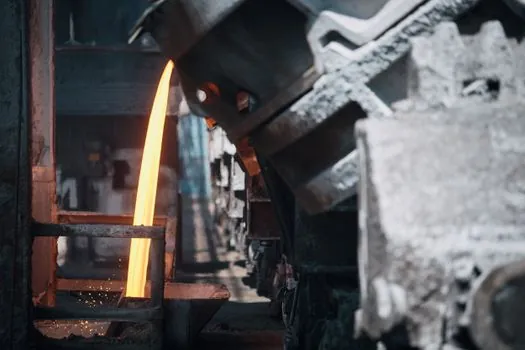
PSA packages require an air compressor, air dryer, filters, receiver tank, PSA generator, and oxygen buffer tank, with an optional booster and cylinder-filling ramp; an LOX package requires the cryogenic tank, pressure-building system, safety valves, ambient vaporizer, pressure-control unit, and pipeline connection [S2].
Specify average consumption, peak demand, minimum operating load, expansion interval, required oxygen purity, delivery-pressure range, and the maximum acceptable interruption duration before comparing bids. For hospital evaluation, include medical-grade traceability and clinical-use compliance; for steel evaluation, include process-quality limits and the production cost of interruption [S2][S5].
Confirm site utilities, footprint, access for refilling or maintenance, electrical load, backup provisions, remote monitoring, operator competency, and service response before selecting a technology. The nearest technical signal to track is measured oxygen consumption in normal, peak, and outage scenarios, because a purchasing model based only on average demand can select the wrong capacity and cost structure [S1][S3][S7].