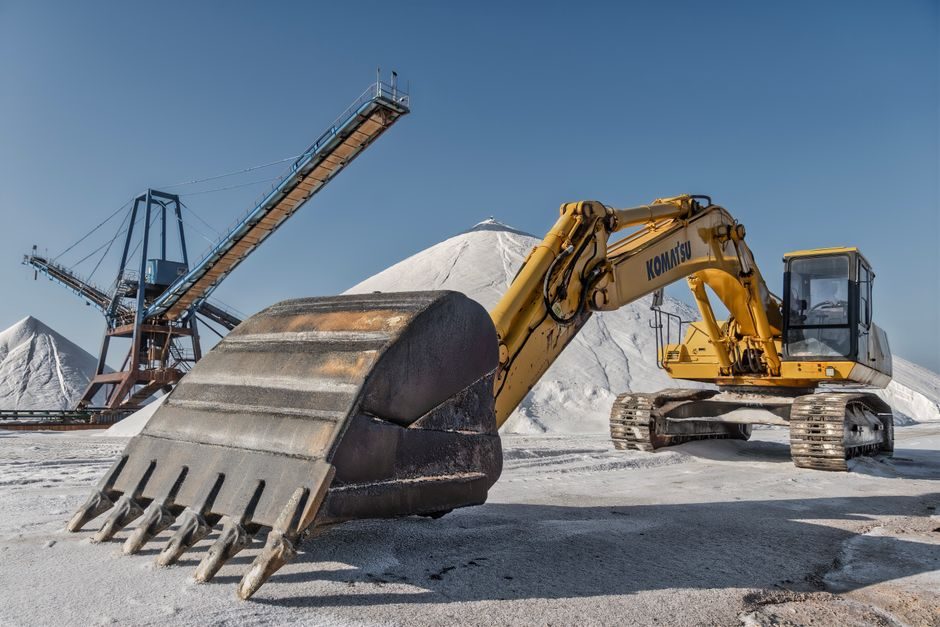
Underground and open-pit mines specify O2 detection in three distinct roles — fixed area monitoring tied to ventilation modeling, confined-space entry checks before worker access, and portable personal monitors carried by crews and rescue teams — each role dictates a different sensing principle and a different placement rule, per mining industry application notes [S2].
MSHA-aligned compliance in the U.S. and equivalent state-federal oxygen regulations in other jurisdictions are met when detector readings are logged, alarms are tied to evacuation protocols, and calibration cadence is documented, with multigas units such as the MSA ALTAIR 4X Mining Multigas Detector reading LEL, O2, CO, and H2S on a single XCell sensor platform [S3].
Sensing Principles: Paramagnetic, Zirconia, Electrochemical, TDLS
Paramagnetic oxygen analyzers exploit the high magnetic susceptibility of O2 relative to most other gases and split into four sub-architectures — magnetic proportional flow, magnetic wind, magnetic force (dumbbell), and magnetic force (pressure sensor) — and are the preferred choice when background gas composition is stable and high accuracy is required, per Yokogawa's MG8G/MG8E technical bulletin [S1].
Electrochemical analyzers cover two sub-families: zirconia systems, which use a heated solid electrolyte and respond to O2 partial pressure, and electrode systems, which generate current proportional to O2 reduction; both are widely used in process and ambient monitoring, with zirconia favored for high-temperature flue-gas applications and electrodes favored for portable and area monitors [S1].
Tunable Diode Laser Spectroscopy (TDLS) measures O2 by absorption at a specific near-IR line and offers non-contact, in-situ measurement resistant to background-gas interference; it is a separate principle from paramagnetic and electrochemical and is selected where cross-gas immunity, fast response, or hot/wet/dirty sample streams are dominant constraints [S1]. Comparing the four on typical selection criteria: paramagnetic gives best accuracy on clean dry sample but reads high in the presence of strongly paramagnetic interference gases; zirconia needs a heated probe and reference air; electrochemical cells are compact and low-power but have a finite cell life measured in years; TDLS is non-consumable and in-situ but has a higher unit cost and a path-length/cleanliness dependency [S1][S4].
Selection Criteria: Sample, Atmosphere, Response, Output
Selection is driven by four binding gates — sample condition (clean, wet, particulate-laden, hot), background gas matrix (presence of NO, NO2, H2, or other paramagnetic interferences), required response time, and output interface (4-20 mA, HART, Foundation Fieldbus, relay) — and each gate eliminates a subset of principles before a brand is even considered [S1].
For underground hard-rock and coal mines, the typical atmosphere contains methane, CO, H2S, and nitrogen, with humidity swinging widely as ventilation cycles on/off; placement rules therefore override sensor choice and are non-negotiable: mount detectors upstream where the highest gas concentration will exist or near a return-air path, and never mount an oxygen detector near a fresh-air inlet because inflowing fresh air prevents target gas from reaching the cell and dust deposits will accumulate on the sensor face [S4].
Air temperature at the mounting point must be within the sensor's operating window, and for electrochemical cells the cell life is shortened by continuous exposure to low-O2 or high-CO atmospheres, which is why multigas personal monitors in mining use a 4-gas configuration (LEL/O2/CO/H2S) rather than O2 alone [S3].
Who It's For vs Who It's Not For
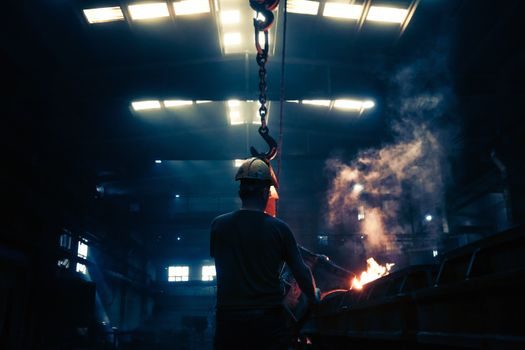
An O2-only fixed analyzer is appropriate for ventilation control rooms and crusher-house air-quality panels where a stable clean sample can be conditioned and piped to a wall-mounted or panel-mounted transmitter, but it is the wrong choice for a working face where a miner needs personal exposure data — that role belongs to a portable 4-gas monitor with a local audible/visual alarm and a 24-30 month typical cell life [S3].
Paramagnetic bench analyzers are not the right pick for dirty underground workings because dust and moisture foul the magnetic wind cell; conversely, an electrochemical personal monitor is not the right pick for a high-temperature kiln vent or a flue-gas oxygen trim loop where zirconia or TDLS is the established practice [S1].
Multi-gas portable units such as the ALTAIR 4X Mining Multigas Detector are explicitly targeted at confined-space entry, turnaround, plant maintenance, and the mining market, with approvals listed on the manufacturer page covering the relevant MSHA and equivalent jurisdictions [S3]. For comparison shopping against adjacent equipment categories, see the VFD-duty motor spec map when sizing drives that power mine ventilation fans, and the fiber optic sensor selection guide when distributed temperature or strain sensing is being added to conveyor and shaft monitoring.
Placement, Density, and Alarm Architecture
Density of fixed O2 sensors in an underground mine is set by the ventilation network's branch count: at minimum one sensor per return-air split plus one per refuge chamber, with additional sensors in dead-end headings where methane layering and O2 depletion are known to accumulate [S2].
Alarm architecture on a portable personal monitor is typically two-stage — a low-O2 warning at 19.5% by volume and an evacuation alarm at 18.0% by volume for IDLH-adjacent response — and the same thresholds are mirrored on fixed area monitors with relay outputs tied to ventilation-boost sequences [S2].
Calibration interval for portable electrochemical O2 sensors in mining is typically 30 days for bump-test discipline and 90 days for full span calibration, and MSA's XCell sensor technology on the ALTAIR 4X platform is engineered to support this cadence with on-board sensor life remaining-life indicators [S3]. Ventilation modeling software such as Ventsim and Ventilation Design Software (VDS) consumes live O2 data from fixed detectors to map airflow and identify branches where additional detectors or auxiliary fans are needed [S2].
Limitations, Failure Modes, Standards
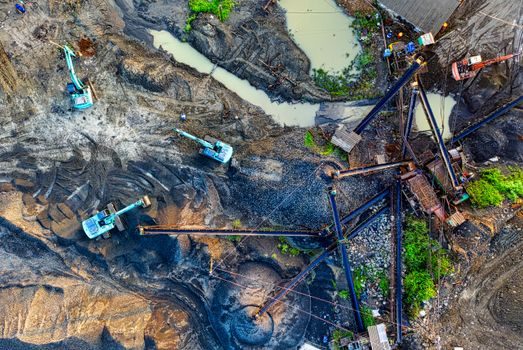
Common failure modes in mining service are: dust fouling of sensing faces on electrochemical cells, water ingress into magnetic wind cells, and pressure-altitude errors on paramagnetic analyzers installed on variable-elevation conveyors; attitude error (sensor orientation sensitivity) is documented on paramagnetic instruments and must be field-checked after installation [S1].
Atmospheric pressure affects paramagnetic readings directly because the magnetic susceptibility is a partial-pressure property, so installations on surface equipment at altitude or in deep mines with significant barometric swings need compensation or a controlled-pressure sample line [S1].
Compliance is anchored to MSHA 30 CFR Part 75 (underground coal) and Part 57 (metal/nonmetal) in the U.S., with international operations typically referencing IEC 60079-x for hazardous-area certification of the detector enclosure; for fixed process O2 measurement in mining support facilities (e.g., gold room ventilation, refinery acid plant off-gas), API and ASME codes govern the piping side, with the gas detector and oxygen detector selection handled separately. Long-term drift on a properly maintained paramagnetic analyzer is specified in the percent-of-reading-per-week range and is documented in the manufacturer's test data rather than the marketing literature [S1]. For related combustion-side O2 measurement on mining boilers and process heaters, the same selection discipline applies to dissolved-oxygen meter choices in mine-water treatment circuits.
Trackable next signal: MSHA's enforcement statistics for O2-related citations in underground mines, and the 2026 IECEx certification round for replacement multigas units, are the two public nodes that will indicate whether mining operators are shifting sensor principle or simply refreshing the existing fleet. Adjacent sourcing questions on conveyor instrumentation can be cross-checked in the wiring duct selection guide for conveyor cells.