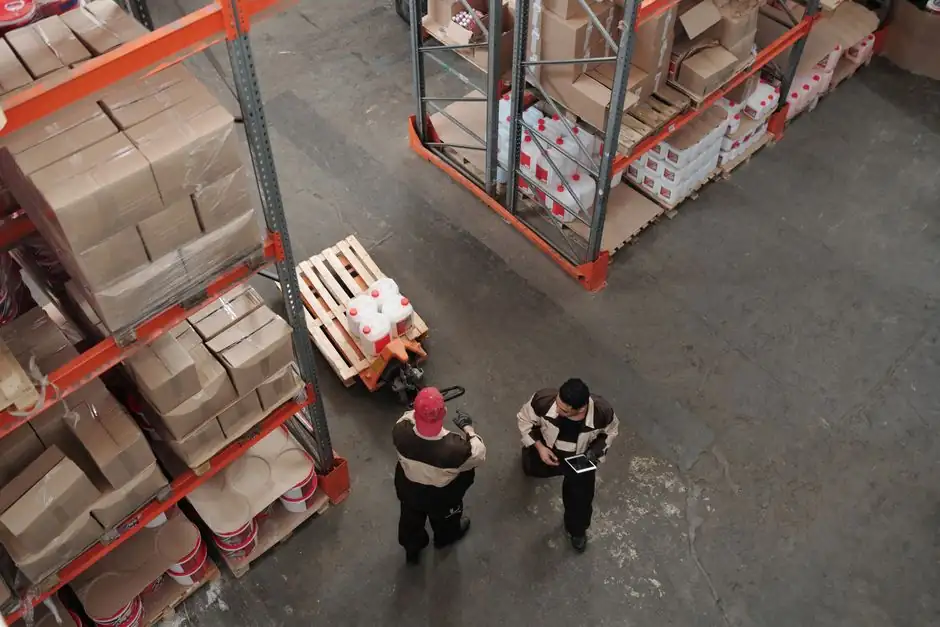
Port-side pallet moves break forklifts faster than indoor work, so a pallet stacker selection starts with three numbers: aisle width between the quay shed columns, lift height into the staging rack, and rated load on the heaviest ISO pallet on the route.
The 2026 buyer conversation has moved from "which brand" to "which energy platform and which duty rating", because new Li-Ion walk-behind high-lift models launched in mid-2026 cover 1200-1600 kg rated load with proportional lift and optional initial-lift for ramps [S4].
Why a port dock needs a different stacker than a warehouse
Quay-side and CFS sheds punish indoor-rated equipment with salt air, dock-plate ramps, and uneven concrete, so the first technical assertion is that any stacker specified for port logistics must be rated for outdoor-grade floor contact and intermittent ramp work, not just smooth warehouse slab [S3].
The 2026-05-21 JSTK guidance frames the rule directly: confirm turning space, floor condition and shelf height before choosing, because forklifts are too large for daily indoor routes in compact sheds, and the same logic applies in reverse for outdoor quay and staging lanes where a full counterbalance forklift is overkill [S3].
For comparison, the 2026-07-23 Linde ASEAN Ports 2026 coverage notes that buyers should confirm the attachment plan first when sizing a heavy-duty port forklift, because standard forks, clamps, or custom lifting tools change both the load class and the energy demand of the truck [S1].
Rated load, lift height, and aisle width: the three-number filter
Clark's BST-series launched in August 2026 covers 1200-1600 kg at a compact footprint, with the entry-level BST12E at 1200 kg for occasional stacking and the platform-folding variants aimed at longer transport distances between dock and rack [S4].
For port applications, map these numbers to the heaviest real load: a standard ISO pallet of palletized bagged cargo sits at roughly 1000-1200 kg, so the 1200 kg entry point is the floor, not the ceiling, for any quay-to-rack route [S4].
Aisle width drives the choice between walk-behind, fold-out platform, and stand-on formats. The BST12 and BST12i walk-behind variants are designed for confined spaces with a side-set tiller, while the platform variant extends the same chassis to longer intra-port transport runs where the operator should not be walking all shift [S4].
For lift height, proportional lift is now standard on the new BST generation, which matters for tall staging racks where beam-clearance positioning tolerance is tight and over-travel damages both load and rack upright [S4].
Walk-behind vs platform vs initial-lift: a criteria-based comparison
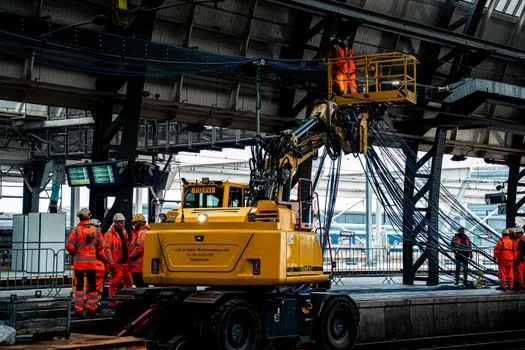
Three formats compete for the same dock-to-rack route, and the decision should run on four criteria: travel distance, ramp frequency, load weight, and operator-shift length. Walk-behind wins for sub-50 m routes with mostly flat slab and occasional light stacking; fold-out platform wins for 50-200 m routes where the operator covers more ground per shift; initial-lift variants win where dock plates, potholes, and ramps are routine [S4].
For ramps and uneven ground, Clark fits an initial-lift function on the BST12i that adds ground clearance and enables double-deck transport of two pallets up to a combined 1200 kg, effectively doubling throughput on a tight route without buying a second truck [S4].
Where the application is indoor warehouse-style staging, the pallet rack geometry becomes the binding constraint: bay depth and beam height decide the mast height, and the proportional-lift standard on these 2026 models is what keeps delicate palletized goods from shock-loading on every stop [S4].
Power platform: Li-Ion vs lead-acid for port duty cycles
Li-Ion is now the default for new high-lift walk-behind orders in 2026, with the Clark BST series fitted with an integrated deep-discharge protection system to preserve cell life across multi-shift port operation [S4].
The energy question does not stop at the battery: for heavier port logistics trucks, Linde's ASEAN Ports 2026 messaging shifts the buyer conversation from nominal voltage to the full power platform, including charger, BMS, thermal controls, service support, charging window, shift pattern, and load intensity [S1].
For ports still running diesel reach stackers and forklifts for the heavy container moves, the stacker crane and reach stacker lines address a different duty class entirely, with reach stackers at one Southeast Asian port delivering over 30% reduction in container handling time through customized load and hydraulic tuning [S2].
Attachments, forks, and pallet interface
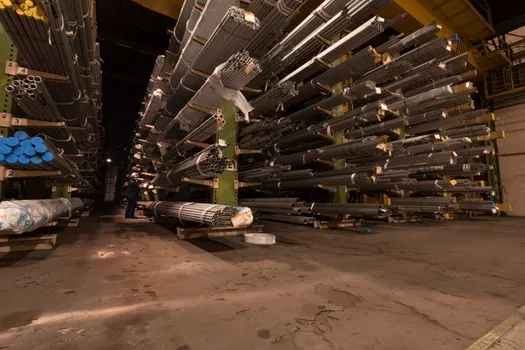
Forks and clamping attachments change the energy demand and the load class, so the Linde 2026 buyer checklist places attachment customization before battery sizing, not after [S1].
For quay work, the standard fork pair handles most ISO pallets, but bagged cargo, drummed chemicals, and palletized steel require clamps or specialized forks, and each variant shifts the truck's effective load center, which in turn changes both the battery sizing and the stability margin [S1].
Where pallets are pooled and the plastic pallet format dominates, fork-spread tolerance and the proportional-lift low-speed creep function matter more than peak lift speed, because the dock worker is doing slow, precise beam insertion rather than racing the clock [S4].
Safety, ergonomics, and access control
PIN-code activation is offered as an option across the new high-lift range, which is relevant for port yards where shared contractor fleets and multi-employer access demand controlled-use lockout, not just a key switch [S4].
Ergonomic stackers reduce operator fatigue on long shift patterns: a side-set tiller, left/right-handed symmetric controls, electromagnetic parking brake for ramp holding, and a creep-speed function for tiller-up maneuvering in tight corners are all standard or available on the 2026 generation, and each one is a documented reduction in the minor-incident rate on port shed floors [S4].
For ramp-heavy routes, an initial-lift truck with a 4-point suspension chassis, low center of gravity, and adjustable support wheels keeps all four wheels on the dock plate under load, which is the single most common cause of dropped-pallet incidents in port staging [S4].
Where a stacker is wrong and a forklift is right
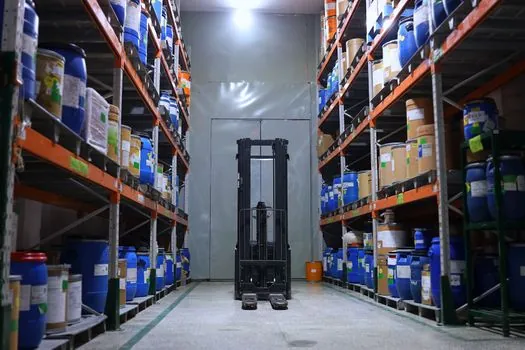
A walk-behind high-lift stacker is the wrong tool for ISO container handling, full-pallet loads above 1600 kg, or any outdoor work involving mud, standing water, or broken pavement, and the buyer should step up to a forklift, rough-terrain forklift, or reach stacker instead [S1][S2].
For heavy container yards, customized reach stackers configured to the port's stacking height, container weight profile, and yard layout deliver the kind of throughput gain that a stacker crane or walk-behind pallet stacker cannot match, with documented gains above 30% in handling time at one Southeast Asian deployment [S2].
Inside the shed, however, a manual pallet jack or electric pallet truck still beats a stacker for short horizontal moves, so the realistic port-internal fleet mixes all three classes by route length and lift requirement, not by brand preference [S3][S4].
Track these two signals over the next quarter: any new ASEAN or European port tender specifying Li-Ion walk-behind stackers above 1500 kg rated load, and any safety-incident data on dock-plate ramp handling with initial-lift versus non-initial-lift high-lift trucks.
See also our earlier report, Laser Screed Selection Guide: Specs, Types, and FF/FL Trade-offs for Concrete Floors.