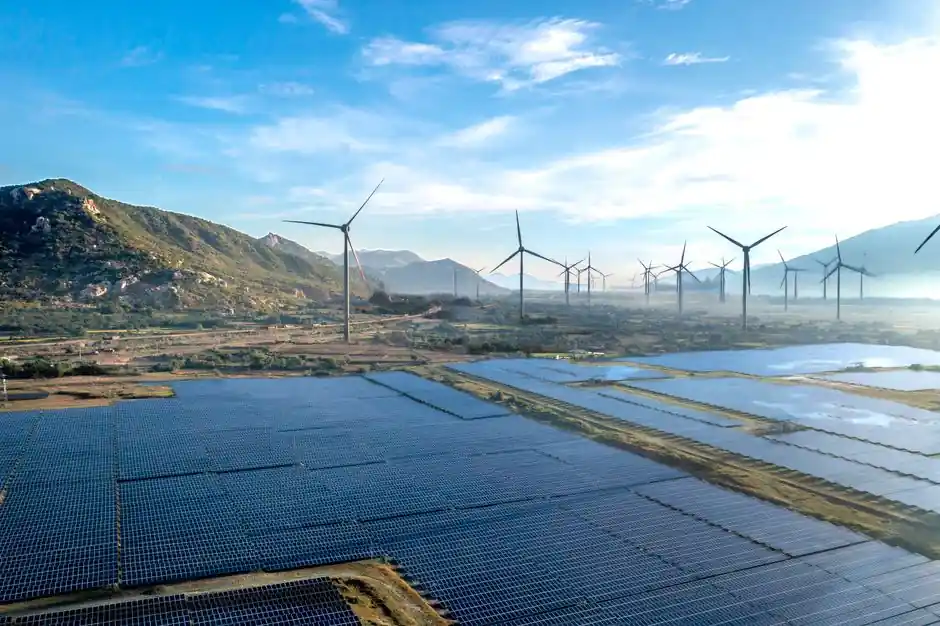
U.S. NERC's 2025 Long-Term Reliability Assessment estimates that summer peak demand will rise by nearly 20 percent, or 224 GW, over the next 10 years, requiring state utility regulators to balance sharply increasing electricity demand with residential customer impacts [S3].
224 GW Summer Peak Increase Changes the Planning Baseline
NERC's 2025 Long-Term Reliability Assessment estimates that summer peak demand will rise by nearly 20 percent, or 224 GW, over the next 10 years [S3]. The load increase is tied to electrification, domestic manufacturing and data centers, and it must be planned without shifting disproportionate costs to residential customers [S3].
Deloitte's 2026 Power and Utilities Industry Outlook projects peak demand growth of approximately 26% by 2035. That trajectory places existing grid limits under pressure and supports utility plans that cover generation, transmission, distribution and flexible demand rather than a single resource [S1].
The planning horizon therefore matters. A 10-year summer-peak forecast of 224 GW must be translated into annual milestones, regional deliverability, reserve margins and spending profiles, while the 2035 outlook implies that resource additions must remain flexible beyond the first procurement cycle.
5.7% Annual Load Growth Raises the Capacity Question
A nationwide forecast reflected in 2023 FERC filings projects electricity demand growth rising from 2.6% to 4.7% over the next five years, making the translation of energy growth into capacity requirements a grid-planning consideration [S6].
Large data centers and advanced manufacturing facilities are central to this risk because their operating schedules, ramp profiles and coincidence with summer system peaks are not always captured by annual energy forecasts. That makes connection timing, minimum service levels and flexible operating assumptions central to credible resource plans [S3].
The two figures cover different periods and should not be added together, but both indicate that the planning problem is materially larger than the flat-demand assumptions used in earlier planning cycles.
Resource, Transmission and Distribution Plans Must Interlock
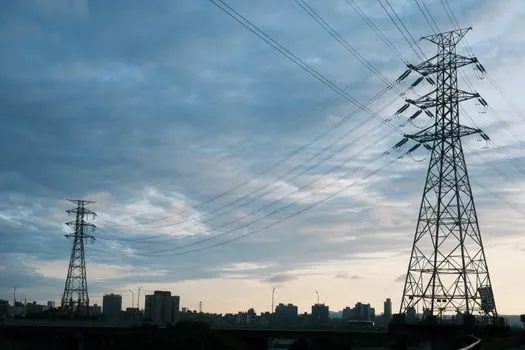
Utilities cannot solve a 224 GW peak increase through generation procurement alone. NERC's summer forecast covers the whole electric system, so adequate supply must be deliverable through transmission and connected to distribution systems that can serve large-load customers [S3].
Large Loads Need Measurable Forecast Assumptions
Utility resource plans need separate inputs for energy, summer peak and hourly load shape. Annual consumption can rise while the coincident system peak changes by a different amount, especially when flexible operations, storage charging and customer curtailment can shift consumption away from stressed hours. [S3]
This approach also protects against two opposite planning errors: omitting a credible large load from resource adequacy calculations, or carrying a speculative project as firm capacity for many years. Both errors distort the balance between required capacity and ratepayer cost.
Demand Response Complements but Does Not Replace Supply
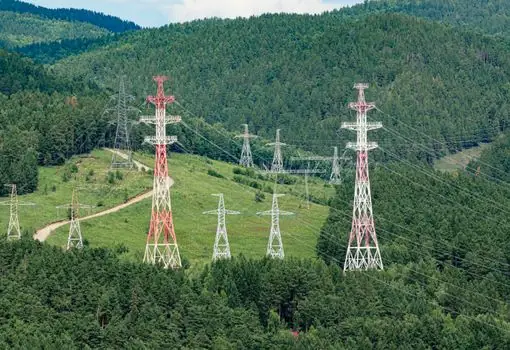
Time-of-use and demand-charge programs can reduce system exposure by shifting consumption away from higher-cost on-peak periods. One cited weekday program defines its on-peak window as 4 p.m. to 7 p.m., providing a concrete operating period around which automated controls and customer participation can be tested [S5].
Demand response remains a complement rather than a substitute for adequate resources. Its value depends on the number of enrolled MW, notification speed, duration, baseline rules, telemetry, event frequency and customer willingness to curtail, none of which can be inferred from a broad demand-growth percentage.
MAPC's Peak Demand Program is closed for 2026 and scheduled to resume at the end of May 2027 [S7]. The Peak Demand Program is closed for 2026 and is scheduled to resume at the end of May 2027 [S7].
Cost Allocation and Regulatory Approval Define Execution
Large-load growth creates an affordability test for regulated utilities. NARUC identifies residential customer impact as a central balancing requirement, while utilities are using long-term contracts, innovative tariffs and disciplined capital allocation to manage exposure to data-center growth [S2][S3].
The capital burden can be measured against the projected load: 224 GW of summer peak growth over 10 years equals an average planning increment of roughly 22.4 GW per year if the total were divided evenly, although actual procurement will be lumpy and regional. No investment plan should assume this simple average replaces feasibility studies, generation interconnection, transmission studies and regulatory review.
More than half of the respondents in the supplied utility-sector outlook guide utilities to 6–8% EPS CAGR or better through at least 2030, supported by electric demand, rate-base expansion and data-center development [S2]. Utility-plan reviewers should separate demand evidence from financial assumptions: customer load, capacity and deliverability determine the infrastructure need, while earnings and valuation describe how that need may be financed.
What Regulators and Utilities Can Track
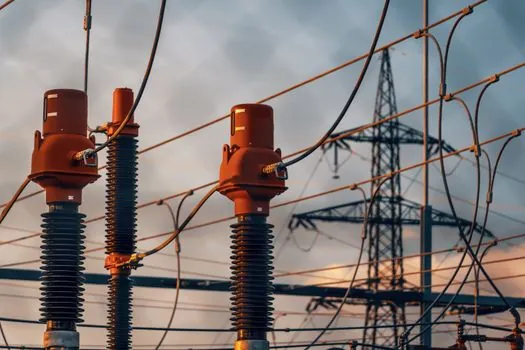
The first trackable signal is the reconciliation of local integrated resource plans with the 224 GW 10-year summer-peak outlook. Regulators should ask whether forecasts distinguish annual energy from hourly coincidence, identify assumed large-load energization dates and show how risk is distributed among customers [S3].
The second signal is project execution. Utility plans should show whether new generation, transmission substations, distribution upgrades and interconnection work remain aligned when large-load requests move from preliminary discussions to committed service dates. NERC's 2025 Long-Term Reliability Assessment estimates that summer peak demand will rise by nearly 20 percent, or 224 GW, over the next 10 years, while state utility regulators must balance sharply increasing electricity demand with residential customer impacts [S3].
A related analysis of 2026 utility grid spending can help place these capacity requirements in the broader infrastructure-spending context, but procurement totals must still be traced to documented resource need and executable projects.