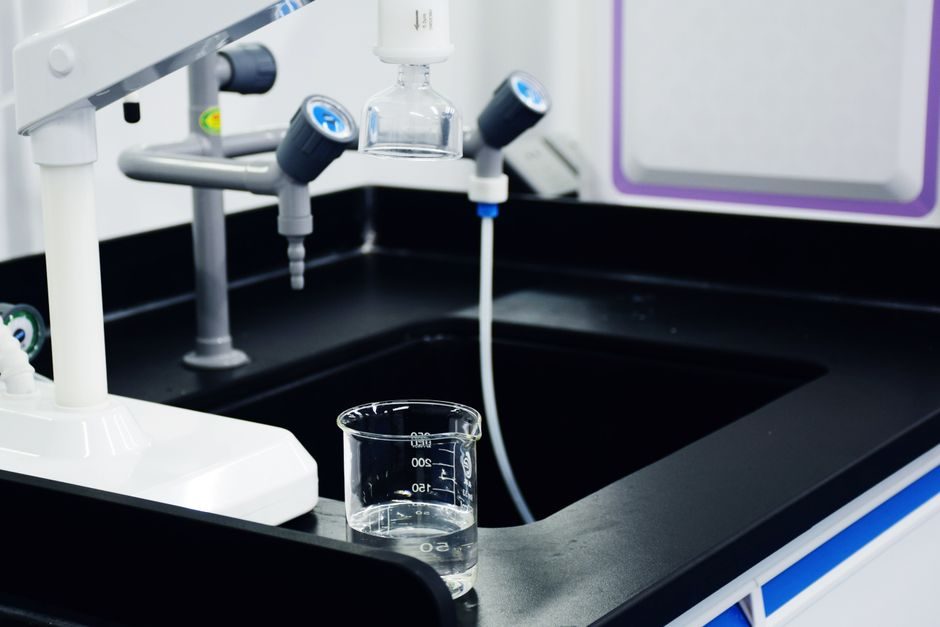
A dissolved oxygen meter is selected on four gates: sensing principle (optical luminescent vs polarographic vs galvanic), % saturation / mg/L range with stated accuracy, environmental rating (IP-54, IP-67), and whether the unit is benchtop, portable, or inline process [S2][S7][S8].
Catalog listings from June 2026 show three sensor families still competing head-on: CONSORT epoxy-body laboratory electrodes for bench work [S1], METTLER TOLEDO portable and process DO analyzers for field and skid use [S2][S7], and Fisher Scientific's benchtop / portable accessories line for BOD workflows [S4][S8]. Optical, polarographic and galvanic are presented as parallel options rather than a winner-takes-all hierarchy [S2].
Sensor Families: Optical Luminescent vs Polarographic vs Galvanic
Optical luminescent DO sensors use a luminescent membrane and do not consume oxygen during measurement, which makes flow-dependence low and calibration drift slow on long campaigns [S2].
Polarographic (Clark-type) sensors apply a polarizing voltage across a gas-permeable membrane and consume oxygen at the cathode, requiring electrolyte replacement and a known flow velocity past the membrane for accurate readings [S2][S8]. Galvanic sensors self-generate the polarization voltage, simplifying the cable path but still consuming oxygen and still consuming electrolyte over time [S2]. Fisher Scientific's June 2026 catalog still lists polarographic, optical, and polarographic-with-optical-sensor variants as separate SKU families, confirming the market is not consolidating to a single principle [S8].
Accuracy, Range, and Calibration: Read the Catalog Footnote, Not the Headline
Portable optical DO testers such as the Bante S60 quote 0.2 mg/L accuracy with selectable BOD / OUR / SOUR modes, while the Bante DOscan10 pocket tester is specified at 0.5 mg/L and 1- or 2-point calibration for education and aquaculture [S9]. The spread is the message: a 0.3 mg/L accuracy delta decides whether the same meter can back up a BOD report.
Process and laboratory analyzers in the same window expose two-point push-button calibration, manual salinity and barometric-pressure compensation, and automatic temperature compensation, with the Cixi CX-RDB6000/600 listing reset-to-factory and stability/average functions on its datasheet [S3]. METTLER TOLEDO groups optical, polarographic, and galvanic under one "Dissolved Oxygen Sensors" page to make side-by-side comparison easier for users running multiple sample types [S2]. Always verify that the quoted accuracy figure applies in the temperature and salinity window of the actual process, not in the 25 °C / 0 PSU reference condition.
Form Factor: Benchtop, Portable, and Inline Process
Benchtop DO meters from Fisher Scientific cover BOD determination with dedicated probes, membranes, and electrolyte fills as a packaged system rather than as a standalone probe [S4][S8]. IP ratings across Fisher's DO meter family span IP-54, IP-67, and IP52, with IP-67 portable housings the most common for field and wastewater work [S8].
Portable DO analyzers such as the METTLER TOLEDO InTap are positioned for mobile oxygen measurement and calibration at the sample point instead of in a lab, cutting sample-handling error for plant operators [S7]. For inline process work, the same vendor's process-analytics DO / CO2 / ozone sensor line addresses continuous aeration-tank monitoring in wastewater and fermentation [S7]. Engineers in adjacent process instrumentation face the same form-factor decision; the Pt100 RTD selection field guide and the wastewater flow meter selection note walk through matching enclosure rating to plant environment in similar detail.
Enclosure, IP Rating, and Probe Consumables
IP-67 portable housings dominate wastewater and outdoor aeration work because the probe will see splash, hose-down cleaning, and immersion during calibration beaker checks [S8]. IP-54 benchtop housings are acceptable in a dry lab or panel room, and the rarer IP52 entry in supplier catalogs signals a cost-down portable that should not be specified for wet field work [S8].
Consumables are part of the spec, not an afterthought. Fisher Scientific markets DO meter accessories (membranes, electrolyte fills, replacement probes) as a separate catalog node from the meters themselves, with BOD probes carrying their own consumable SKUs [S4]. Optical probes reduce the cadence of membrane and electrolyte replacement, but they still require periodic cap replacement and a stray-light check, so the lifetime-cost calculation has to include probe-cap cost, not just meter price.
Selection Criteria: Who Needs Optical, Who Needs Polarographic, Who Needs Galvanic
Optical luminescent DO sensors suit low-maintenance continuous monitoring in aeration tanks, fish farming, and long-duration field campaigns, where low flow-dependence and infrequent calibration outweigh higher upfront cost [S2][S9]. Polarographic Clark-type sensors suit laboratory BOD workflows with controlled stirring and frequent electrolyte service, where the membrane technology is well understood and consumables are stocked [S2][S4][S8]. Galvanic sensors suit portable and educational use where simplicity of cable / power matters more than long membrane life [S2].
Do NOT pick a pocket DO tester (e.g., Bante DOscan10 class) for regulated BOD reporting; the 0.5 mg/L accuracy floor and limited calibration options are not defensible for compliance work [S9]. Do NOT specify an IP-54 benchtop meter for outdoor clarifier or aeration-basin work; the IP-67 portable class is the right call there [S8]. Engineers weighing analyzer technology for water and process streams will recognize the same logic in the turbidity meter vs gas chromatograph selection note and the industrial conductivity meter buying guide 2026, both of which lean on the principle-vs-application match.
Criteria Comparison: Optical vs Polarographic vs Galvanic
Optical luminescent sensors win on maintenance interval and flow independence, polarographic sensors win on cost and BOD familiarity, and galvanic sensors win on cable / power simplicity; no single principle wins on every axis, so the spec is a weighted pick [S2][S8][S9]. Selection also overlaps with broader liquid-analysis choices: a dissolved oxygen meter is typically paired with a conductivity meter for wastewater skids and occasionally with a clamp meter for verifying aerator power, and on the gas side a counter meter or energy meter ties into the BOD-blower energy balance.
The CONSORT epoxy-body laboratory electrode is positioned for benchtop lab work rather than field, while METTLER TOLEDO's InTap portable line and Fisher Scientific's IP-67 portable SKUs target outdoor and plant-floor work [S1][S7][S8]. For inline continuous duty, the process-analytics DO / CO2 / ozone sensor family on the same METTLER TOLEDO node handles aeration-tank oxygen without the maintenance window of a portable probe [S7]. Pin the spec to the environment first, then the principle, then the accuracy figure.
Calibration, Maintenance, and Failure Modes
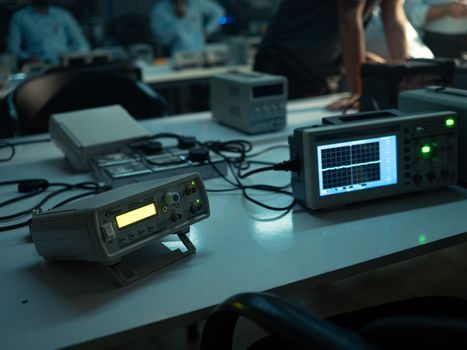
Two-point push-button calibration with manual salinity and barometric-pressure compensation is the baseline on current process and portable DO meters, and a factory-reset function on units like the CX-RDB6000/600 lets a field operator recover from a bad calibration without sending the unit back [S3]. Stability and average-stability functions, plus auto-sleep, are now table stakes for portable SKUs in the same datasheet [S3][S9].
Common failure modes are membrane fouling on polarographic and galvanic probes, electrolyte depletion on the same two families, and stray-light interference or cap damage on optical probes; calibration drift on a high-humidity aeration tank is the single most reported complaint in field service notes [S2][S4][S8]. For adjacent process work where similar drift logic applies, the magnetostrictive vs capacitance level transmitter 2026 selection specs and the RF admittance level switch 7-gate spec pieces run the same drift-vs-environment argument at a different measurement point.
Verify next steps on three items: which sensor family is stocked locally for membrane and electrolyte replacement, what IP rating the actual installation environment demands (IP-67 for wet field, IP-54 for dry lab), and whether the BOD or OUR calculation requires the accuracy floor of a 0.2 mg/L optical portable or a benchtop probe rather than a 0.5 mg/L pocket unit.