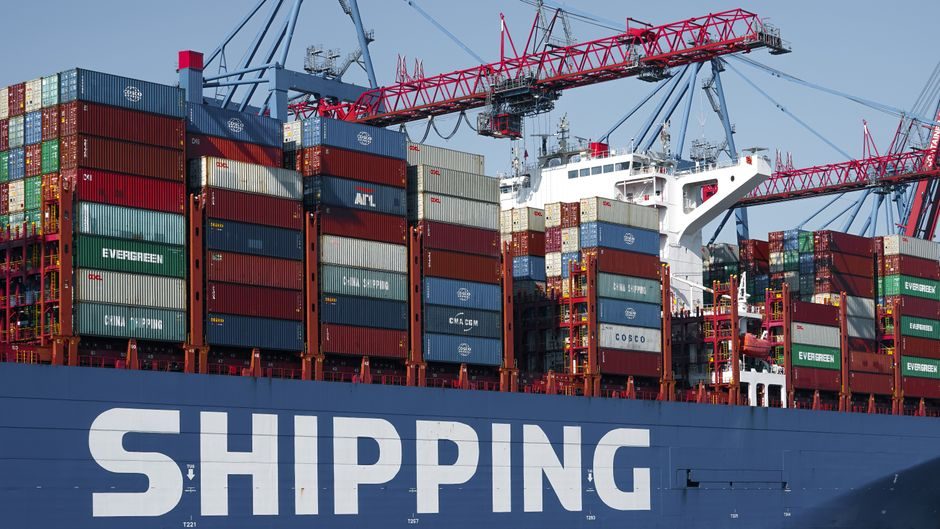
Polypropylene (PP) resin supply in 2026 still runs on propylene monomer from petroleum refining and natural-gas processing, with Ziegler-Natta and metallocene catalysts controlling tacticity, melt flow, and impact balance, and additives (antioxidants, UV stabilizers, nucleators) used to tune end-use performance [S1].
The downstream mix has not moved: packaging remains the largest end-use on cost, food-contact grade availability, low water absorption, and ambient-temperature mechanical strength; automotive (bumpers, instrument panels, door trim) is the second pull for lightweighting; electrical/electronics and construction round out the volume [S1]. Within the broader synthetic resin family, PP is the lightest commodity polyolefin (density ~0.90 g/cm³) and competes head-to-head with polyethylene and polystyrene on price-per-volume.
Feedstock Economics and the 2026 Price Floor
PP resin prices are set by three knobs — propylene cost, plant operating efficiency, and local demand — with polyethylene and polystyrene acting as substitute price ceilings; supply disruptions and regulatory shifts move the whole polyolefin block together [S1].
Hydrogen and solvent choices in the polymerization step act as molecular-weight regulators, and the choice between Ziegler-Natta and metallocene cascades downstream into stiffness-vs-impact, clarity, and seal-initiation temperature — the practical spec levers a converter cares about. For buyers building a resin sand line or any high-tonnage PP compounding line, the resin line in [S1] that "polyethylene and polystyrene prices compete with these products" is the rule of thumb to watch when negotiating quarterly contracts.
Grade Map: Homopolymer, Copolymer, and Specialty PP
The supply chain splits into three commercial buckets: homopolymer PP (highest stiffness, lowest cost, used in injection moulding, fibres, raffia, film), random copolymer (better clarity and impact, used in transparent packaging and hot-fill), and impact (block) copolymer (highest impact at low temperature, used in automotive and appliance housings) [S1].
Specialty grades layer on top: flame-retardant, UV-resistant, antimicrobial, and food-contact formulations are now standard SKUs at Thai and Asian suppliers, and chlorinated PP resins (CPP) function as adhesion promoters and printing-ink binders in coatings and primers [S3]. A "Polypropylene resin, special" listing on ChemicalBook (CB52088292) with no public CAS/ EINECS at indexing time is the typical "patent-restricted" SKU pattern — these are sold under NDA and excluded from generic catalogues under the supplier's patent terms [S2].
Thailand as a 2026 Anchor: Volume and Trade

Lucintel's Thailand forecast puts the domestic PP resin market at roughly $2 billion by 2030, growing at ~2% CAGR (2023-2030), with packaging as both the largest and the fastest-growing application on the same horizon [S1].
For procurement, the structural takeaway is that Thailand is a net polyolefin hub in ASEAN — production capacity is sized for both domestic packaging and export of finished PP goods, so regional converters should benchmark Thai homopolymer and copolymer offers before pulling volumes from the Middle East or Northeast Asia. The same driver mix (packaging-led volume, automotive lightweighting, electrical/electronics) shows up across the polyethylene resin supply chain in 2026, so PE and PP buyers can read the two chains as a single polyolefin block for hedging purposes.
Who PP Resin Is For — and Where It Stops Fitting
PP is the right pick when the spec needs low density (~0.90 g/cm³), good ambient-temperature mechanicals, low water absorption, food-contact compliance, and a heat-deflection temperature above hot-fill or dishwasher cycles; it is the wrong pick when the application needs high transparency without biaxially oriented film, continuous service above ~100-120 °C without glass-fibre reinforcement, or UV-stable outdoor exposure without carbon-black or UV-stabilizer packages [S1].
For aggressive chemical service (strong oxidizers, aromatics, chlorinated solvents at elevated temperature), PP swells and stress-cracks — converters should walk up to higher-performance polymers or add a barrier layer. The supplier-side signal that "polyethylene and polystyrene prices compete with these products" [S1] also means PP loses on cost when only commodity film properties are needed, which is why LDPE/ LLDPE still dominates stretch film and HDPE still dominates blow-moulded containers.
Spec Levers Buyers Should Pin in a 2026 RFQ
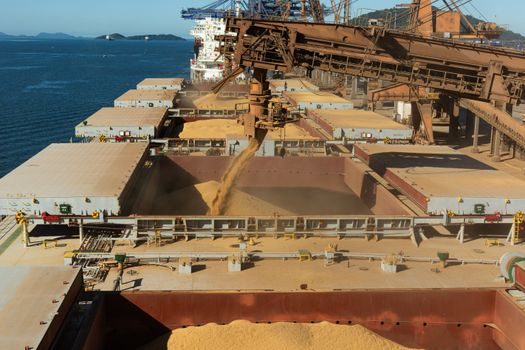
Five parameters separate one PP SKU from another on a data sheet: melt flow rate (MFR, g/10 min, typically 1-35 for injection grades and up to 50+ for meltblown/fibre grades), flexural modulus (MPa, homopolymer ~1500, impact copolymer ~1000-1300), notched Izod impact at 23 °C (kJ/m²), heat deflection temperature under 0.45 MPa load (°C), and density (g/cm³, ~0.90 homopolymer, ~0.91 random copolymer). [S1]
For automotive trim and appliance housings, add dart-drop impact and gloss; for food packaging, add the regulatory dossier (FDA 21 CFR / EU 10/2011 food-contact statements, residual solvent and extractables limits); for electrical, add comparative tracking index (CTI) and UL94 flammability rating. Buyers running high-tonnage compounding and bagging should cross-check pellet geometry and bulk density against their chain conveyor sizing, since variable-shaped and fines-heavy lots will foul the conveyor faster than uniform homopolymer pellets.
Emerging 2026 Trends: Bio-PP, Industry 4.0, and Customized Grades
Five structural trends are reshaping the Asian PP supply chain: (1) customized specialty grades (flame-retardant, UV-resistant, antimicrobial) as catalogue SKUs rather than custom runs; (2) digital platforms for supply-chain visibility and quoting; (3) bio-based PP from renewable feedstocks with biodegradable additive packages; (4) Industry 4.0 process control (AI, robotics, IoT) for throughput and quality; and (5) advanced catalyst and process technologies that raise plant yield and broaden the MFR window [S1].
Practical impact for 2026 buyers: more SKUs at MOQs that fit mid-sized converters, faster RFQ turnaround through digital platforms, and a growing bio-based PP supply curve (still premium-priced, but commercial, not pilot). The "Lean Supply Chain" overlay — choosing tools, defining principles, fixing strategy, and aligning value streams to eliminate non-value-adding steps — is the operating model Thai and broader Asian PP producers are applying to make those trends bankable, and the same framework is the right reference when buyers re-engineer their own inbound resin logistics.
Adjacent Supply Chains and a 2026 Watch List
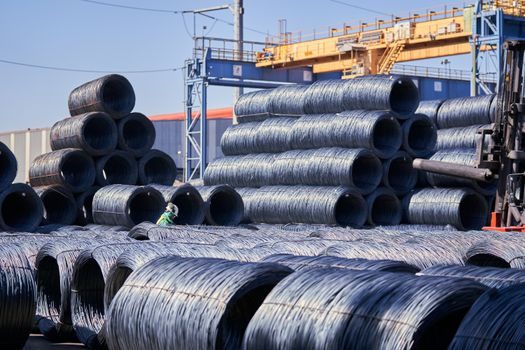
PP does not sit alone: PVC and PE are the two polyolefin/vinyl cousins most often co-specified in packaging, construction, and electrical work, and the PVC resin upstream-downstream chain map is the closest structural parallel for tracking chlorine-vs-propylene feedstock risk. [S1]
For buyers, the trackable signals into late 2026 are: (a) propylene contract settlements relative to naphtha and propane dehydrogenation (PDH) plant spreads; (b) Thai and ASEAN packaging-film operating rates, which lead homopolymer and random copolymer demand by 4-8 weeks; (c) bio-based PP capacity announcements and price deltas versus fossil PP; and (d) any regulatory movement on food-contact and recycled-content rules, which typically force grade re-specs rather than resin-line changes.